



Building a small business doesn’t require a huge investment, a fancy office, or years of experience. What it does require is a clear idea, a validated need, and consistent action. Whether you’re opening a local shop, offering freelance services, or selling handmade goods online, this 7-step roadmap will help you build a small business that thrives—not just survives.
1. Start with a Problem You Can Solve
Great small businesses begin with real demand—not just passion. Ask:
- Who has a problem I understand deeply?
- Are they already spending money to solve it?
Validate your idea fast:
- Talk to 10 potential customers
- Offer a “minimum viable service” (e.g., 3 free consultations for feedback)
- Test demand with a simple landing page or social media poll
✅ Example: Instead of “I love baking,” try “Busy parents in my neighborhood want healthy, ready-to-eat kids’ meals—would they pay $12/meal?”

2. Choose a Simple, Legal Structure
Protect yourself and look professional from Day 1:
- Sole Proprietorship: Easy but offers no liability protection
- LLC (Limited Liability Company): Recommended for most—separates personal and business assets, affordable to set up
Register your business name with your state and get an Employer Identification Number (EIN) from the IRS (free at irs.gov).
3. Create a Lean Business Plan
Skip the 30-page document. Write a one-page plan covering:
- Your offer
- Target customer
- Pricing
- How you’ll get your first 10 customers
- Startup costs and break-even point
This keeps you focused and ready to adapt.

4. Set Up Essential Systems
Run like a pro—even as a solo founder:
- Business bank account (keep finances separate)
- Accounting: Use free tools like Wave or QuickBooks Self-Employed
- Invoicing & payments: PayPal, Square, or Stripe
- Basic website: Use Wix, Squarespace, or Carrd ($12–20/month)
These build trust and save hours each week.
5. Get Your First Paying Customers
Don’t wait for perfection. Start small:
- Offer a launch discount to friends, family, or local networks
- Post in community Facebook Groups or Nextdoor
- Partner with a complementary business (e.g., a photographer teams up with a wedding planner)
Your goal: Learn from real transactions, not hypotheticals.
6. Deliver Remarkable Service
Your first customers are your best marketers. Go the extra mile:
- Send a thank-you note
- Ask for honest feedback
- Under-promise, over-deliver
Happy customers refer others—reducing your need to constantly “sell.”
7. Track, Improve, and Grow
Review weekly:
- What’s working? (Double down)
- What’s not? (Stop or tweak)
- Are you profitable after expenses?
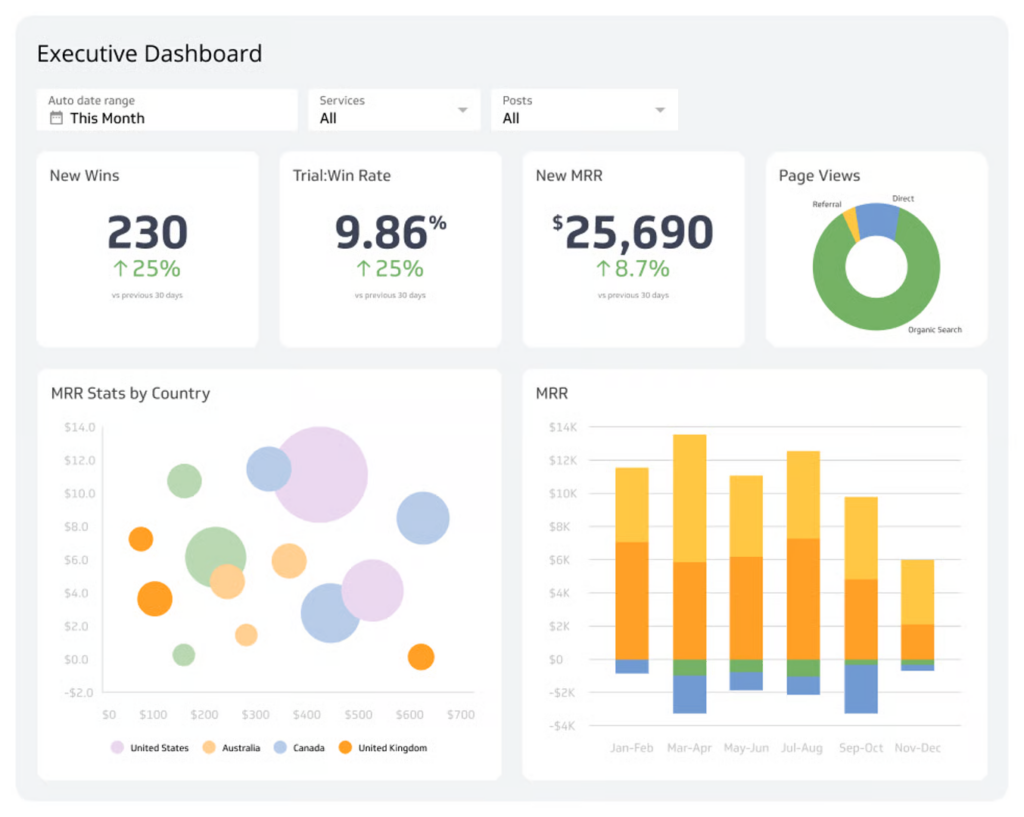
Reinvest early profits into tools, inventory, or marketing that drives more sales—not just “looking busy.”
FAQs
Q: How much money do I need to start a small business?
A: Many service-based businesses start for under $100 (website + phone). Product-based may need $200–$1,000 for initial supplies. Start small, validate, then scale.
Q: Can I run a small business part-time?
A: Absolutely. Most small businesses begin as side hustles. Just set clear boundaries and track time to avoid burnout.
Q: Do I need a business license?
A: Usually, yes—even for home-based or online businesses. Check your city or county website. Most cost $50–$150/year and take minutes to apply.