


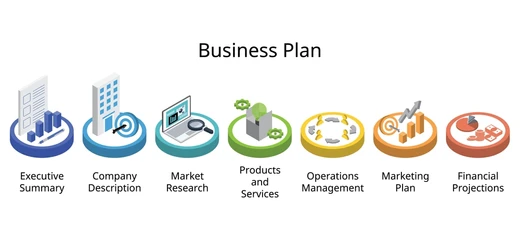
Launching a startup is thrilling—but without a solid business plan, even the best ideas can stall. A well-structured business plan isn’t just for investors; it’s your strategic compass. It clarifies your goals, identifies risks, and maps your path to profitability. Here’s how to build one in 7 focused steps (read time: 3 minutes).
1. Executive Summary (Write This Last)
This is a snapshot of your entire plan—your mission, product, target market, team, and financial highlights. Keep it under one page. Even though it appears first, draft it after completing the other sections for accuracy.
2. Company Description
Explain what your startup does, the problem it solves, and why it matters. Include your vision, values, legal structure (LLC, C-corp, etc.), and stage (pre-revenue, MVP launched, etc.). Be specific about your unique value proposition—what makes you different?
3. Market Analysis
Demonstrate deep knowledge of your industry. Include:
- Target customer personas (age, pain points, buying behavior)
- Market size and growth trends
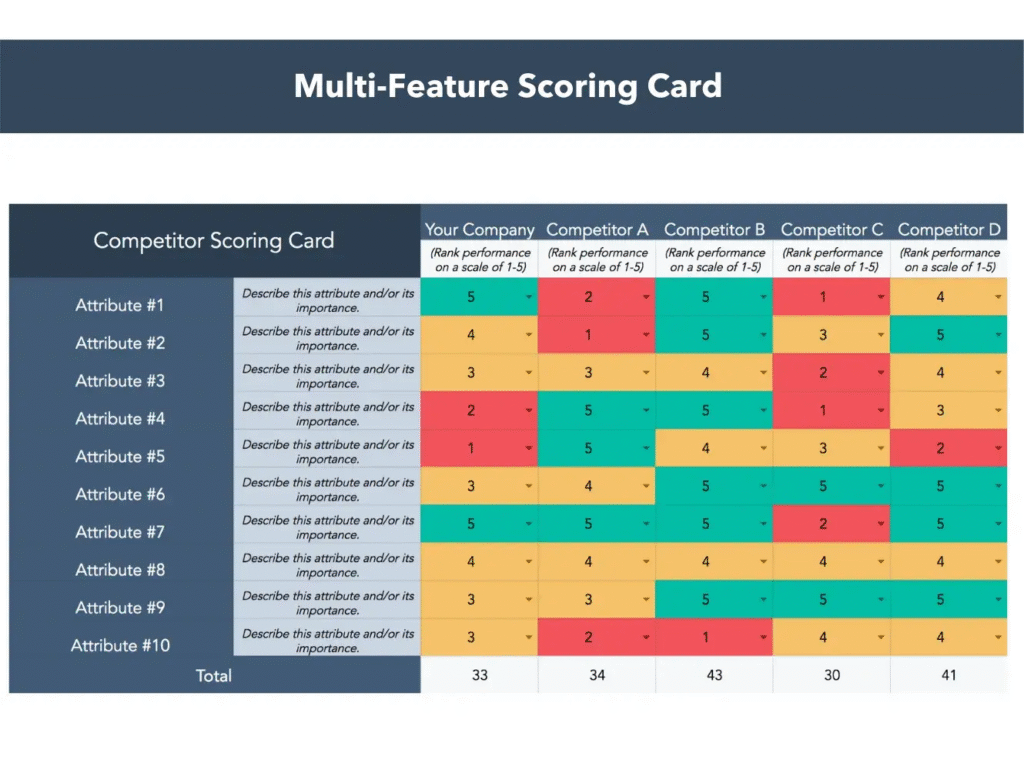
- Competitor analysis (direct and indirect)
- Your competitive advantage
4. Organization & Management
Outline your team structure. Highlight founders’ backgrounds, key hires, and advisors. Investors bet on teams as much as ideas—show why yours is capable of executing.
5. Product or Service Line
Describe what you’re selling. Focus on benefits, not just features. If applicable, mention intellectual property (patents, trademarks), development stage, and future roadmap.
6. Marketing & Sales Strategy
How will you acquire customers? Detail your:
- Pricing model
- Sales channels (online, retail, B2B partnerships)
- Marketing tactics (social media, SEO, paid ads, PR)
- Customer retention plan
Be realistic—avoid “we’ll go viral” assumptions.
7. Financial Plan & Projections
Include:
- Startup costs
- 12–24 month cash flow projections
- Break-even analysis
- Funding requirements (how much you need and how you’ll use it)
Even early-stage startups should show unit economics (e.g., customer acquisition cost vs. lifetime value).
Final Tip: Keep It Lean
A startup business plan should be concise—10–15 pages max. Use visuals, avoid jargon, and update it quarterly as you learn.
FAQs
Q: Do I really need a business plan if I’m not seeking investors?
A: Yes. It forces clarity, uncovers blind spots, and aligns your team—even if you’re bootstrapping.
Q: How detailed should financial projections be?
A: Include monthly projections for Year 1 and annual for Years 2–3. Base them on realistic assumptions (e.g., conversion rates, churn).
Q: Can I use a business plan template?
A: Absolutely. Templates from SCORE, SBA, or LivePlan provide solid frameworks—but customize every section to reflect your unique startup.