



A business development (BD) team doesn’t just “make sales”—it opens doors to new markets, builds strategic alliances, and creates long-term growth engines. Whether you’re a startup or scaling company, a well-structured BD function turns vision into real-world traction. But hiring “closers” isn’t enough. Success comes from clarity, alignment, and the right mix of skills. Here’s how to build a BD team that delivers (read time: 3–4 minutes).
1. Define Your Business Development Goals
First, clarify what “business development” means for your company. It could include:
- Strategic partnerships (e.g., integrations, co-marketing)
- Channel sales (resellers, affiliates)
- New market entry (geographic or vertical)
- Enterprise client acquisition
Avoid vague mandates like “grow the business.” Instead, set specific objectives:
“Secure 5 tech integrations with SaaS platforms in Q3”
“Generate $250K in channel-sourced revenue by year-end”
This focus shapes your team’s structure and hiring needs.
2. Start Small—Often with One Versatile Hire
Most early-stage companies don’t need a full team. Begin with a Business Development Manager who can:
- Prospect and pitch
- Negotiate deals
- Manage relationships
- Analyze market opportunities
Look for T-shaped talent: deep in one area (e.g., sales or partnerships) but broad enough to handle research, CRM updates, and cross-functional collaboration.
As you scale, specialize roles:
- Partnership Managers (relationship-focused)
- BD Representatives (outbound prospecting)
- Alliance Directors (enterprise/strategic deals)
3. Align with Sales, Marketing, and Product
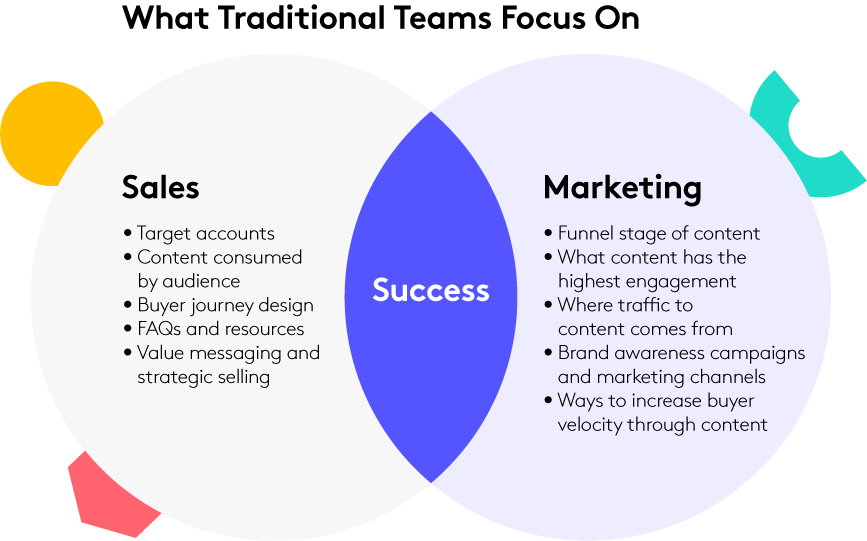
BD doesn’t work in a silo. Ensure tight integration:
- Marketing provides collateral, lead insights, and co-branded assets
- Sales takes over qualified opportunities or closes joint deals
- Product shares roadmap updates to inform partnership feasibility
Hold weekly syncs and use shared tools (e.g., Salesforce, HubSpot) so everyone sees the same pipeline.
4. Equip Your Team with Process and Tools
A high-performing BD team runs on systems:
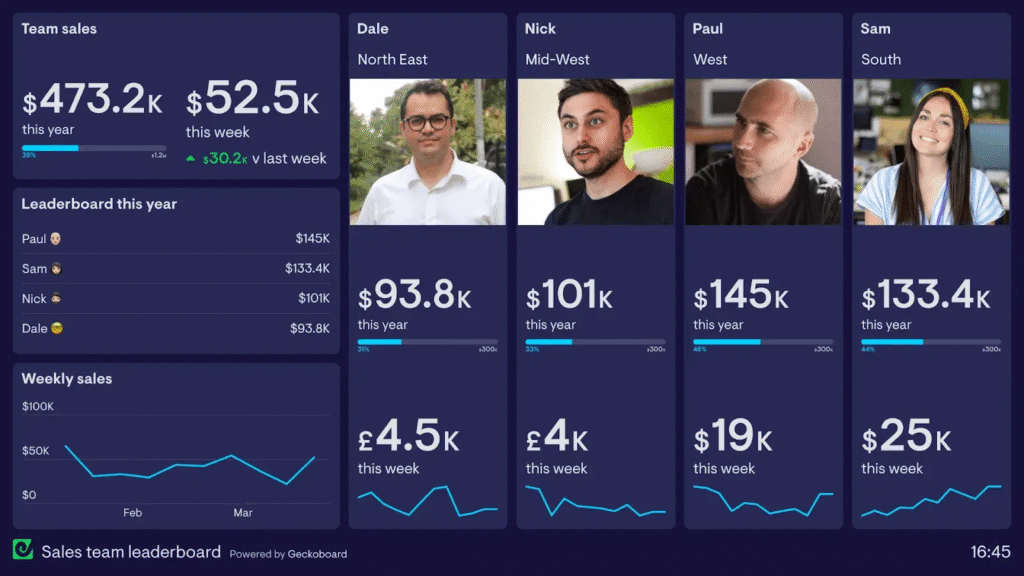
- CRM: Track leads, deals, and communication history (e.g., HubSpot, Salesforce)
- Outreach tools: LinkedIn Sales Navigator, Apollo.io, or Lemlist for prospecting
- Playbooks: Documented scripts, email templates, and objection-handling guides
- KPIs: Measure what matters—e.g., meetings booked, partnership LOIs signed, pipeline generated (not just closed deals)
5. Foster a Culture of Strategic Thinking
Great BD professionals are curious, consultative, and customer-obsessed—not just transactional. Encourage your team to:
- Research prospects deeply before outreach
- Ask “How can we create mutual value?”—not “How do we close?”
- Share market intelligence with leadership
Reward strategic wins (e.g., a breakthrough partnership) as much as revenue.
Final Tip
Hire for grit, curiosity, and integrity—skills can be taught, but mindset drives long-term success.
FAQs
Q: Should business development report to sales or marketing?
A: It depends on your goals. If BD focuses on revenue-generating partnerships, report to Sales. If it’s about ecosystem building or brand alliances, Marketing or Strategy may be a better fit.
Q: How do I measure BD success if deals take months to close?
A: Track leading indicators: # of qualified meetings, partnership proposals sent, LOIs signed, and pipeline value created—not just closed revenue.
Q: Can a founder handle BD before hiring a team?
A: Yes—and often should in the early days. Founders have the vision and credibility to land first partnerships. Use those wins to define the BD playbook before hiring.