


Dreaming of entrepreneurship but can’t quit your day job yet? You’re not alone. Most successful founders—from Spanx’s Sara Blakely to Shopify’s Tobias Lütke—started their businesses while employed full time. With focus, boundaries, and smart time management, you can too. Here’s how to build a real business on nights and weekends (read time: 3–4 minutes).
1. Start Small and Validate Fast
Don’t wait for “perfect.” Launch a minimum viable offer (MVO) in under 30 days:
- Service business? Offer one core service to 1–3 beta clients (friends, past colleagues, local networks).
- Product business? Pre-sell or create a small batch (use Etsy, Shopify, or local markets).
Goal: Get paid—not build a brand. Your first $100 proves demand and builds momentum.
2. Protect Your Time Like Treasure
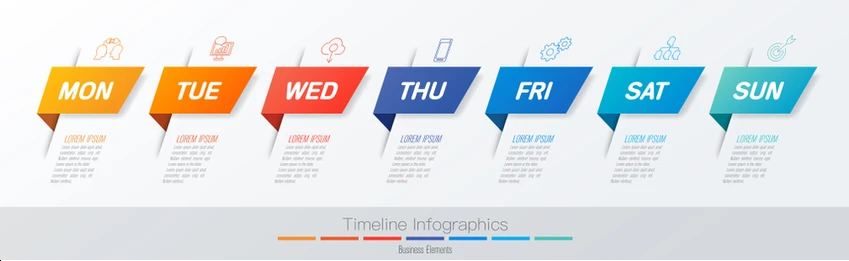
You have ~10–15 hours/week outside work, sleep, and family. Use them wisely:
- Block 2–3 consistent time slots (e.g., Tues/Thurs 7–9 PM + Sunday morning)
- Batch tasks: Write all emails on one night, create content another
- Say no to distractions (TV, scrolling, non-essential social events)
Use a shared calendar with your household so everyone respects your “business hours.”
3. Keep Your Day Job (For Now)
Your 9-to-5 is your safety net—and your R&D budget. Use it to:
- Fund your startup (aim to keep personal expenses low)
- Learn transferable skills (project management, sales, software)
- Build a professional network (but never pitch during work hours!)
Never risk your income until your side business consistently earns 70–80% of your salary.
4. Automate, Delegate, and Simplify
Avoid “doing it all.” Focus only on high-impact tasks:
- Use free/cheap tools: Canva (design), Calendly (scheduling), Wave (accounting)
- Outsource early: Hire a $5–10/hr VA on Fiverr for admin or a designer on 99designs for your logo
- Offer one product or service until you hit $1K/month
Complexity kills side hustles. Simplicity scales.
5. Stay Compliant and Low-Risk
- Check your employment contract for conflict-of-interest or IP clauses
- Form an LLC ($50–150) to protect personal assets
- Track income/expenses separately (open a business bank account)
- Don’t use company resources (laptop, email, time) for your business
Ethics and legality protect your reputation—and your day job.

Final Tip
Progress > perfection. One hour of focused action beats 10 hours of planning. Your goal isn’t to build a unicorn—it’s to build a business that gives you options.
FAQs
Q: How many hours a week do I really need?
A: Just 5–10 focused hours/week can launch a service business. Consistency matters more than volume.
Q: When should I quit my job?
A: Only when your business income reliably covers your living expenses for 3–6 months—and you have a clear growth plan.
Q: What if my employer finds out?
A: Most companies don’t mind side gigs as long as they don’t compete, use company time, or harm your performance. Be transparent if required—but keep your business separate.