


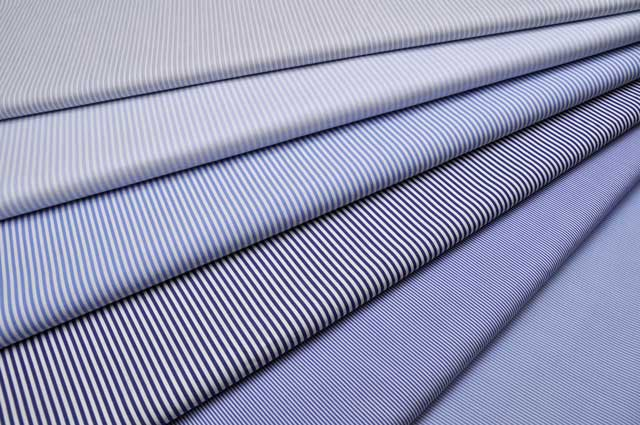
Your clothes silently communicate your credibility, attention to detail, and respect for your role—before you say a word. Whether you’re in corporate, client-facing, or hybrid work, a well-built business wardrobe saves time, reduces decision fatigue, and boosts confidence. The secret? Quality over quantity and versatility over trends. Here’s how to build one that works (read time: 3–4 minutes).
1. Know Your Workplace Dress Code
Start by observing your environment:
- Business Formal: Suits, ties, closed-toe heels (law, finance, executive roles)
- Business Casual: Blazers, dress shirts, chinos, loafers (most offices)
- Smart Casual: Dark jeans, knit blazers, clean sneakers (tech, creative fields)
When in doubt, dress one level above your peers—especially for interviews or client meetings.
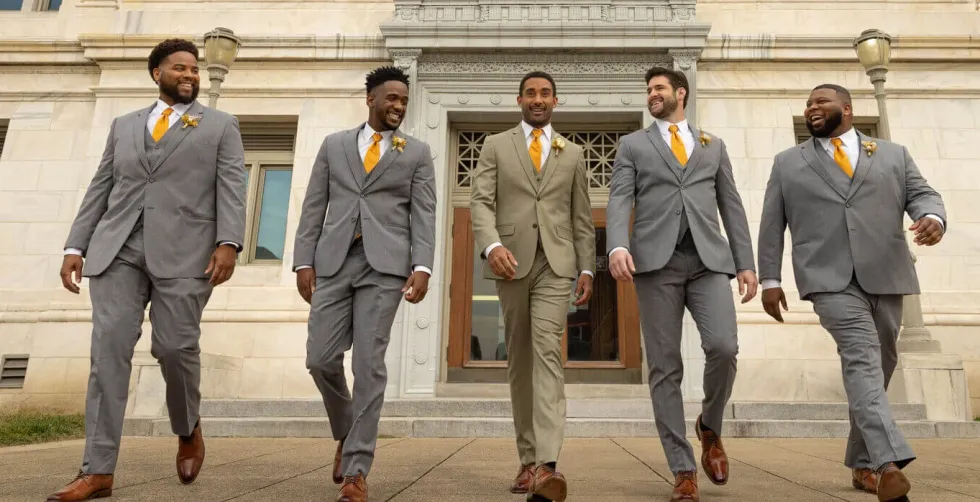
2. Build a Capsule Foundation (10–15 Key Pieces)
Focus on neutral, high-quality basics that mix and match:
For All Genders:
- 2 well-fitting blazers (navy, charcoal, or black)
- 3–4 tailored dress shirts or blouses (white, light blue, soft neutral)
- 2 pairs of dress pants or tailored trousers
- 1–2 versatile skirts or dresses (if applicable)
- 1 quality pair of leather shoes (oxfords, loafers, or pumps)
- 1 pair of clean, minimalist leather-look sneakers (for smart casual)
Key Rule: Everything should fit impeccably. Tailoring ($10–$20 per item) is worth it.
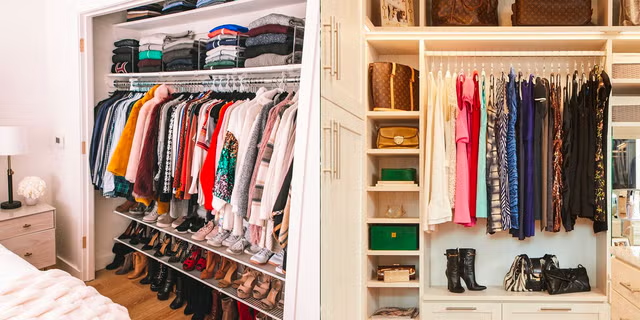
3. Prioritize Fit, Fabric, and Function
- Fit: Should feel comfortable but not baggy. Shoulders, waist, and sleeve length matter most.
- Fabric: Choose wrinkle-resistant, breathable materials (wool blends, cotton, Tencel). Avoid cheap synthetics.
- Function: Pockets? Machine-washable? All-day comfort? Practicality = sustainability.
4. Add Personality Thoughtfully
Once your base is solid, inject subtle individuality:
- A silk scarf or statement watch
- A textured tie or pocket square
- A pop of color in socks or a blouse
- Minimalist jewelry or eyewear
Avoid loud logos, flashy patterns, or anything distracting in professional settings.

5. Maintain and Refresh Smartly
- Care: Follow care labels; use garment bags; rotate pieces to extend life
- Repair: Replace buttons, fix hems, polish shoes
- Refresh: Add 1–2 new pieces per season (e.g., a summer linen blazer, winter wool coat)
- Declutter: Remove anything stained, ill-fitting, or outdated
A curated wardrobe of 15 great pieces beats 50 mediocre ones.

Final Tip
Your wardrobe should make you feel capable, calm, and ready—not stressed or self-conscious. Invest in pieces that serve you, not trends that expire.
FAQs
Q: How much should I spend on a business wardrobe?
A: Start with $300–$600 for 8–10 core pieces from mid-tier retailers (Uniqlo, Banana Republic, Everlane, or thrifted quality). Prioritize fit over brand.
Q: Can I build a professional wardrobe on a budget?
A: Absolutely. Shop end-of-season sales, consignment stores (like The RealReal or local boutiques), and focus on timeless styles that last years—not seasons.
Q: What if my office is fully remote?
A: You still need “top-half professional” for video calls: a solid-color blouse, knit polo, or tailored shirt. Keep 2–3 camera-ready tops—even if you wear sweatpants below!