


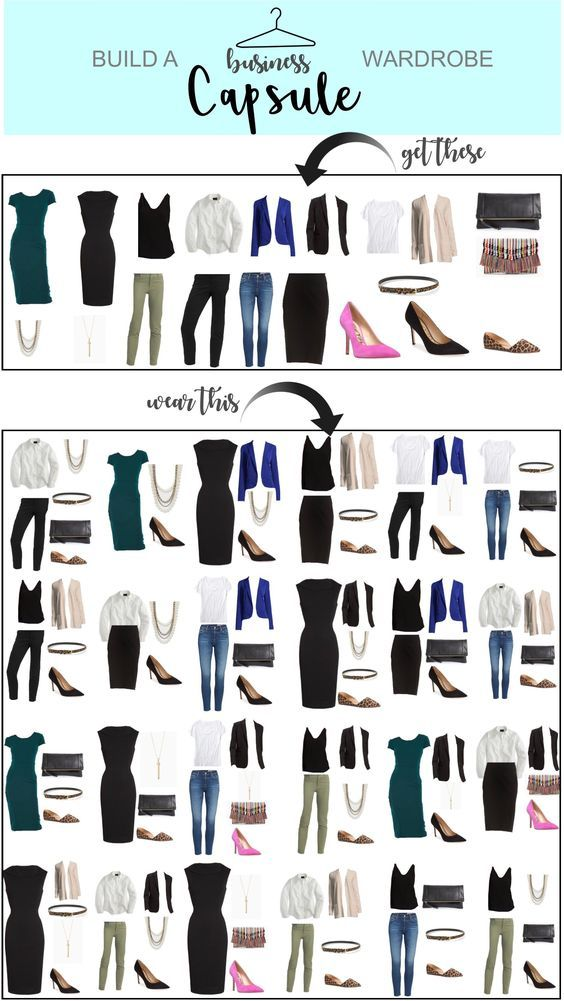
Your wardrobe is a silent ambassador. In client meetings, boardrooms, or video calls, what you wear communicates competence, attention to detail, and self-respect—before you say a word. The good news? You don’t need a closet full of clothes to look polished. A thoughtfully curated capsule of 12–15 high-quality, versatile pieces can create 30+ professional outfits. Here’s how to build one that works for your body, budget, and career (read time: 3–4 minutes).
1. Know Your Workplace Dress Code
Start by observing your environment:
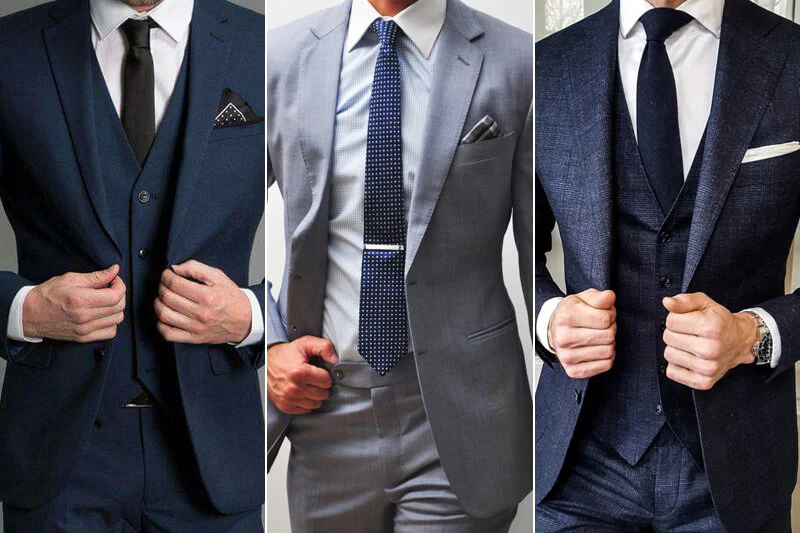
- Business Formal: Tailored suits, sheath dresses, closed-toe pumps (law, finance, executive roles)
- Business Casual: Blazers, silk blouses, tailored trousers, loafers (most corporate offices)
- Smart Casual: Dark jeans, knit blazers, elegant flats or clean sneakers (tech, creative, hybrid roles)
When in doubt, dress one level above your peers—especially for interviews or client-facing days.
2. Build Your Core Capsule (12–15 Key Pieces)
Focus on neutral tones (navy, black, grey, camel, white) and flattering fits. Prioritize quality over quantity:
Essential Pieces:
- 2 tailored blazers (e.g., navy + black or grey)
- 3–4 versatile tops (silk blouse, fine-knit sweater, crisp button-down)
- 2 pairs of tailored trousers (wide-leg or straight-cut)
- 1 pencil or A-line skirt (knee-length)
- 1–2 sheath or wrap dresses (for meetings or events)
- 1 pair of closed-toe pumps (nude or black, 2–3” heel)
- 1 pair of elegant flats or minimalist loafers
- 1 structured tote or work bag (neutral color)
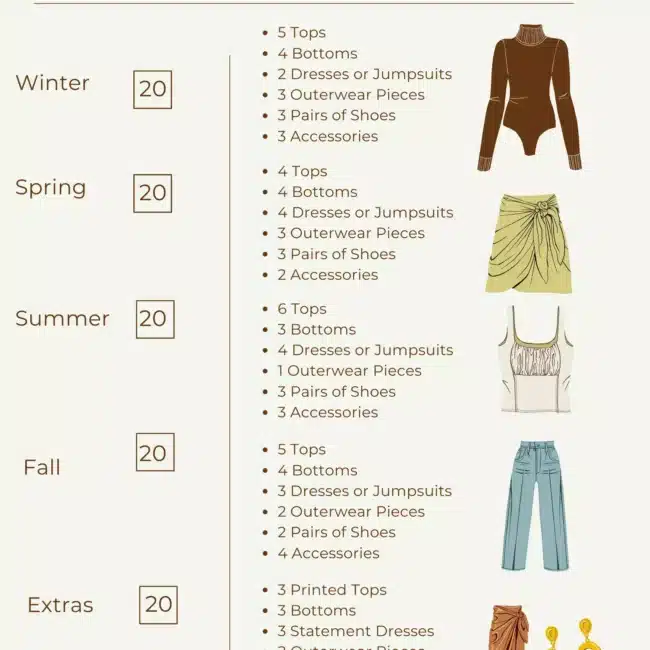
3. Prioritize Fit, Fabric, and Function
- Fit: Clothes should skim your body—not cling or gap. Tailoring is non-negotiable ($10–$25 per item).
- Fabric: Choose breathable, wrinkle-resistant materials: wool blends, cotton sateen, Tencel, or ponte knit. Avoid cheap polyester.
- Function: Pockets? Machine-washable? All-day comfort? Practicality = sustainability.
4. Add Personality with Thoughtful Accents
Once your base is solid, express your style subtly:
- A silk scarf or delicate gold jewelry
- A structured watch or minimalist earrings
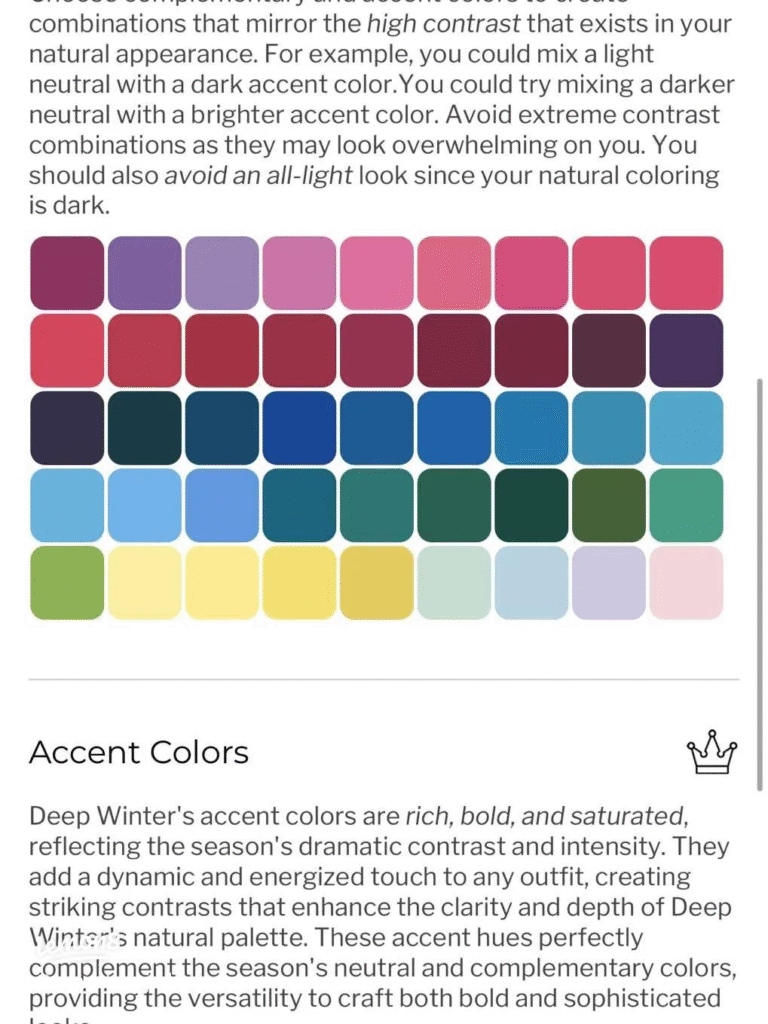
- A pop of color in a blouse or shoe (burgundy, emerald, cobalt)
- Textured tights or a quality belt
Avoid loud logos, overly trendy pieces, or anything distracting in professional settings.
5. Maintain and Refresh Smartly
- Care: Follow care labels; use garment bags; rotate pieces to extend life
- Repair: Replace buttons, fix hems, polish shoes
- Refresh: Add 1–2 seasonal pieces (e.g., a summer linen blazer, winter wool coat)
- Declutter: Remove anything stained, ill-fitting, or outdated
A curated wardrobe of 15 great pieces beats 50 mediocre ones.
Final Tip
Your wardrobe should make you feel capable, calm, and confident—not stressed or self-conscious. Invest in pieces that serve you, not trends that expire.
FAQs
Q: How much should I spend on a professional wardrobe?
A: Start with $400–$700 for 10–12 core pieces from mid-tier retailers (Banana Republic, Everlane, Uniqlo, or thrifted quality). Prioritize fit over brand.
Q: Can I build a business wardrobe on a budget?
A: Absolutely. Shop end-of-season sales, consignment stores (like The RealReal or local boutiques), and focus on timeless styles. A $20 thrifted blazer that fits well beats a $150 ill-fitting new one.
Q: What if I work remotely but have video calls?
A: Keep 3–5 “top-half professional” pieces: solid-color blouses, fine-knit sweaters, or tailored shirts. Pair with comfortable bottoms—you’ll look polished on camera without sacrificing comfort.