



The ultimate mark of a valuable, sustainable business? It runs without you. Whether you dream of taking a month-long vacation, scaling to seven figures, or eventually selling your company, building a self-sustaining operation is the key. This isn’t about working less from day one—it’s about strategically replacing your involvement with systems, teams, and tools. Here’s how (read time: 3–4 minutes).
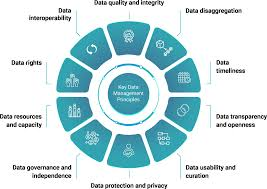
1. Document Every Critical Process
If it lives only in your head, your business is fragile. Start by documenting:
- Sales & onboarding: How leads become customers
- Service delivery: Step-by-step workflows for your core offering
- Customer support: Common issues and approved responses
- Financial routines: Invoicing, payroll, expense tracking
Use simple tools like Notion, Google Docs, or Loom (for video walkthroughs). Store everything in a shared, searchable hub.
2. Hire (or Outsource) Key Roles Early
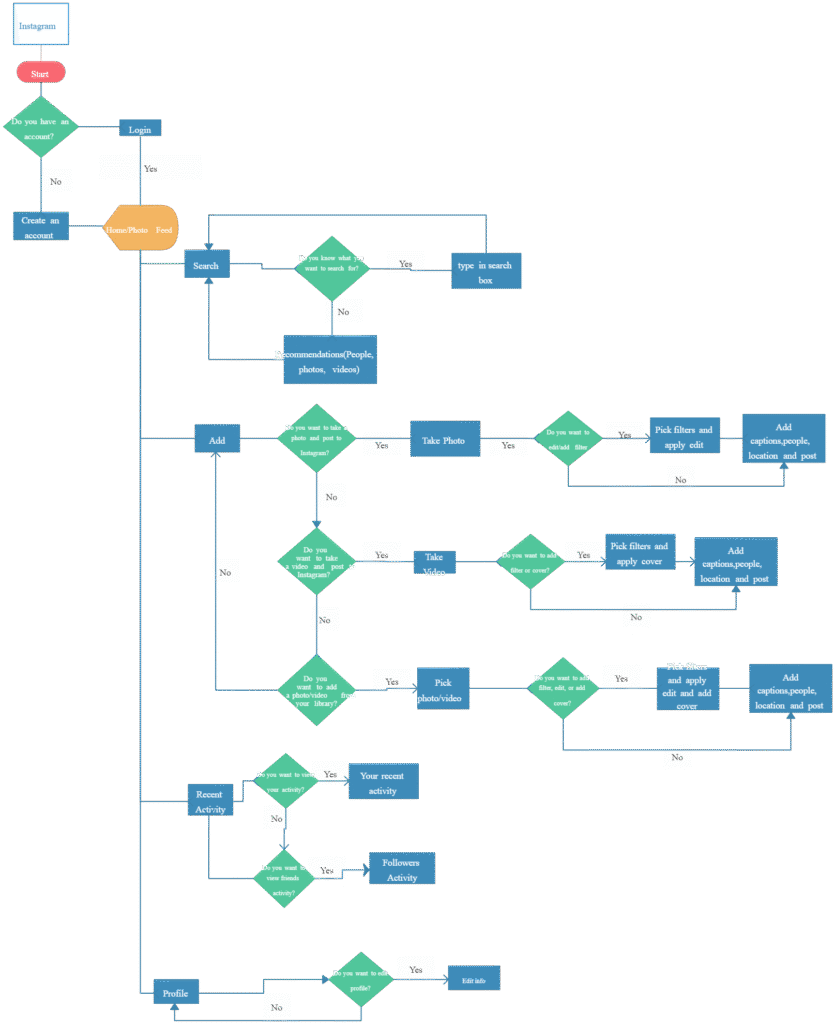
You don’t need a big team—just the right people in the right places:
- Virtual Assistant (VA): Handles scheduling, emails, admin ($5–15/hr on Upwork or Fiverr)
- Specialist freelancers: Bookkeeper, designer, developer (as needed)
- First full-time hire: Often a delivery lead or operations manager
Focus on delegating tasks that only you can do—like vision, strategy, and key relationships.
3. Automate Repetitive Tasks
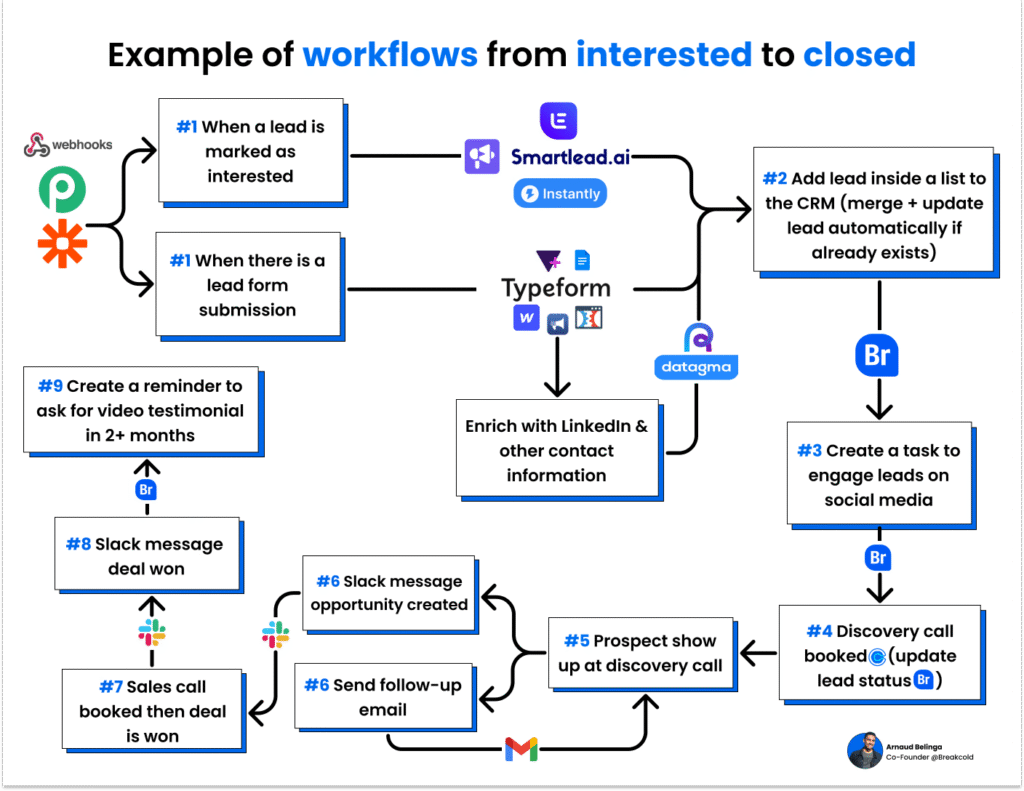
Use affordable tech to eliminate manual work:
- Scheduling: Calendly or Acuity (clients book themselves)
- Invoicing & payments: Wave, QuickBooks, or HoneyBook
- Email marketing: MailerLite or ConvertKit (welcome sequences, nurture flows)
- Customer onboarding: Zapier automations or CRM workflows
💡 Rule of thumb: If you do it more than 3 times, automate or delegate it.
4. Build Recurring Revenue & Standardized Offers
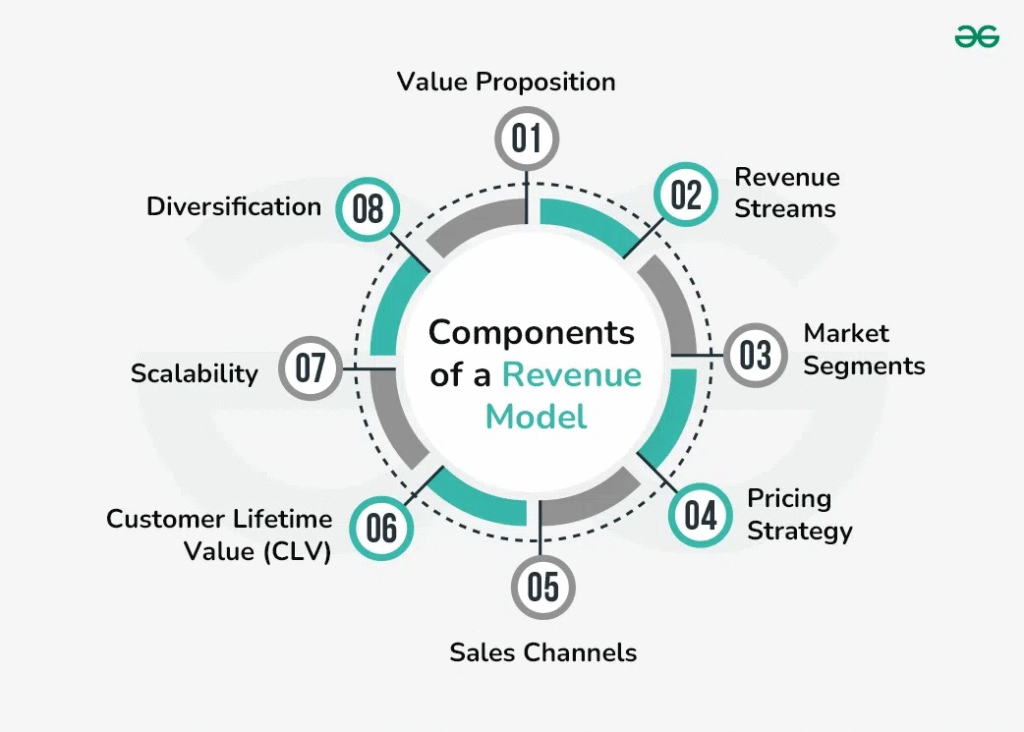
One-off projects keep you chained to delivery. Instead:
- Package services into fixed-scope, fixed-price offerings
- Offer subscriptions or retainers (e.g., “Social Media Management: $1,200/month”)
- Create digital products (courses, templates, software) that sell while you sleep
Predictable income = predictable operations.
5. Test Your Absence (Before You Need To)
Don’t wait for an emergency. Run a “no-founder week”:
- Block 5–7 days on your calendar
- Brief your team: “I’m offline—handle everything per the playbook”
- Resist the urge to check in
Afterward, review what broke—and fix those gaps. Repeat quarterly.
Final Thought
A business that runs without you isn’t built overnight—it’s designed intentionally, one system at a time. Your goal isn’t to be replaceable—it’s to be free.
FAQs
Q: Can solopreneurs really build a business that runs without them?
A: Yes—by productizing services, automating delivery, and using freelancers strategically. Many “solopreneurs” run $500K+ businesses with minimal daily involvement.
Q: How long does it take to build this kind of business?
A: Most founders see meaningful autonomy in 12–24 months of consistent system-building. Start small: automate one process this month, delegate one task next month.
Q: Won’t quality suffer if I’m not involved?
A: Not if you build clear standards, train well, and use checklists. In fact, documented systems often improve consistency and reduce errors.