



Hiring isn’t just about filling a gap—it’s an investment. To get approval (especially in lean times), you need more than “we’re busy.” You need a compelling business case that shows how this hire drives revenue, reduces risk, or unlocks growth. Whether you’re a manager or founder, here’s how to build a persuasive, data-backed proposal (read time: 3–4 minutes).
1. Define the Problem and Opportunity
Start with the “why.” Be specific:
- ❌ “We need help.”
- ✅ “Our sales team misses 40% of inbound leads due to bandwidth—costing ~$120K in lost annual revenue.”
Quantify the pain:
- Backlog volume (e.g., “Support tickets take 72+ hours to resolve”)
- Missed opportunities (e.g., “Can’t launch Product X without a UX designer”)
- Employee burnout (e.g., “Team overtime costs: $8K/month”)
2. Outline the Role Clearly
Avoid vague titles like “Operations Ninja.” Instead:
- Job Title: “Customer Support Specialist”
- Core Responsibilities:
- Respond to 50+ support tickets/week
- Reduce first-response time from 72h to 24h
- Maintain 90%+ customer satisfaction (CSAT)
- Required Skills: Zendesk, empathetic communication, basic troubleshooting
Attach a draft job description to show you’ve thought it through.

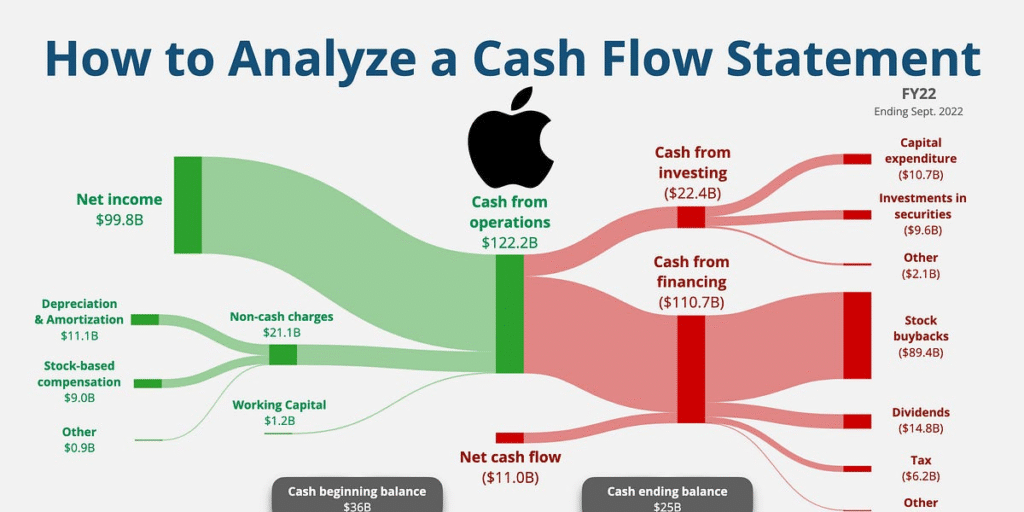
3. Calculate Costs vs. ROI
Leadership cares about net value. Break it down:
Annual Cost:
- Salary + benefits: $60,000
- Tools/training: $2,000
- Total: ~$62,000
Expected ROI:
- Recover $120K in lost sales (from lead follow-up)
- Save $15K in overtime costs
- Increase retention (reducing $20K turnover cost)
- Total Value: ~$155,000
💡 ROI Formula: (Total Value – Total Cost) ÷ Total Cost = 150% ROI
4. Align with Company Goals
Connect the hire to strategic priorities:
- “Supports Q3 Goal: Improve Customer Retention by 20%”
- “Enables Product Roadmap: Launch Mobile App by Q4”
- “Reduces Risk: Meet Compliance Deadlines Without Delays”
Show this isn’t just your need—it’s a company priority.
5. Present a Phased Plan (If Budget Is Tight)
If full-time isn’t feasible, propose alternatives:
- Start with a contractor (3–6 months), then convert
- Hire part-time and scale as revenue grows
- Bundle roles (e.g., “Marketing + Sales Ops” for startups)
Include a 90-day success plan:
- Week 1–2: Onboarding & training
- Week 3–6: Handle 50% of workload
- Week 7–12: Full ownership + measurable impact
Final Tip
Frame the hire as a growth enabler, not a cost. Leaders approve investments—not expenses.
FAQs
Q: What if I can’t quantify the impact?
A: Use proxy metrics. Example: “A dedicated HR hire reduces manager time spent on payroll by 10 hrs/week = 520 hrs/year saved.”
Q: Should I compare outsourcing vs. hiring?
A: Yes—if relevant. Example: “Freelancer costs $50/hr ($104K/year for full-time work) vs. employee at $62K with benefits.”
Q: Who should I share this with first?
A: Start with your direct leader, then Finance or HR for budget input. Tailor the message: Finance cares about ROI; HR cares about role clarity and culture fit.