


A business ecosystem isn’t just a company—it’s a living network where customers, partners, suppliers, and even competitors co-create value. Think Apple’s App Store (developers + users + hardware), Amazon’s marketplace (sellers + buyers + logistics), or Shopify’s app economy. These ecosystems generate compounding growth, lock in loyalty, and outpace linear business models. Here’s how to build one of your own—step by step.
1. Start with a Core Value Proposition That Attracts Multiple Stakeholders
Your ecosystem needs a “gravity center”—a product or platform so useful that others naturally want to build around it. Examples:
- Tesla: Electric vehicles → attracted charging networks, battery recyclers, and software developers
- Stripe: Payments API → drew in SaaS companies, fraud tools, and accounting integrations
Ask: What problem do I solve so well that others will extend my offering?
2. Design for Interdependence, Not Just Transactions
In a true ecosystem, participants benefit from each other—not just from you. Enable:
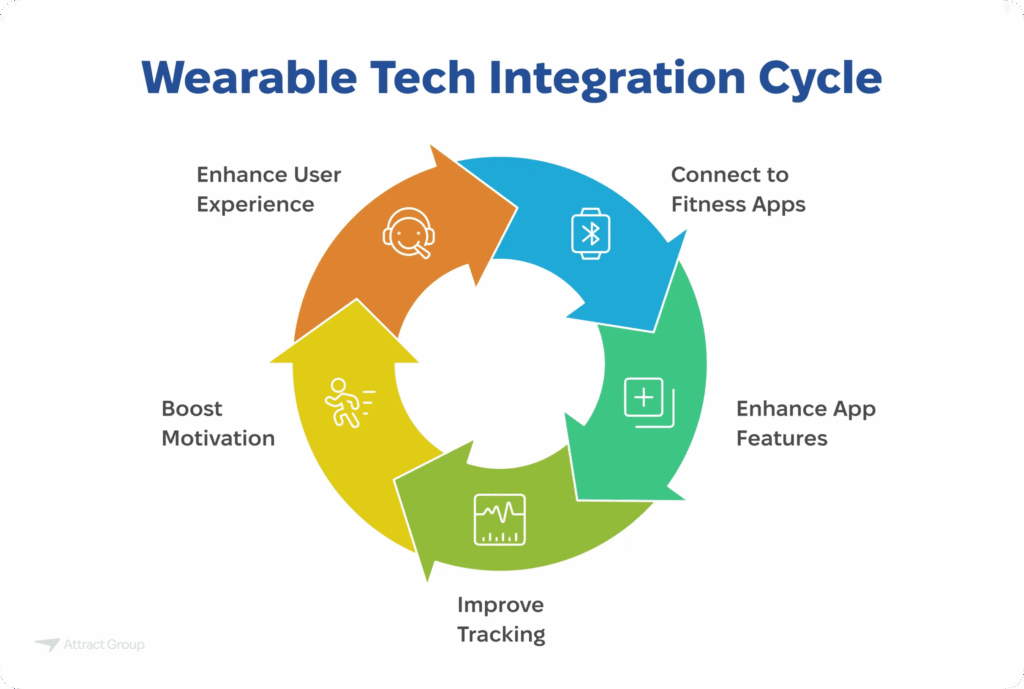
- Data sharing (with consent): e.g., fitness app syncs with smart scales
- Co-creation: Invite partners to build integrations or co-branded offers
- Network effects: More users attract more partners, which improves the experience for everyone
Avoid siloed relationships. The goal is mutual success.
3. Open APIs, Developer Tools, or Partnership Frameworks
Make it easy for others to plug in:
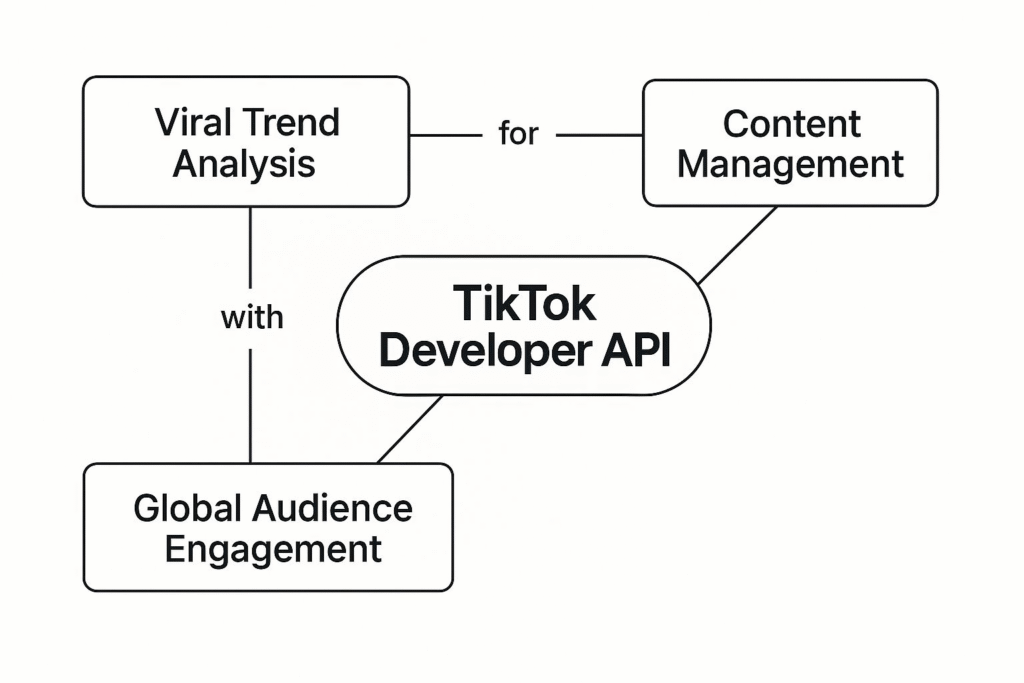
- Publish public APIs (like Twilio or Shopify)
- Create a partner portal with onboarding, branding guidelines, and revenue-sharing terms
- Offer SDKs or templates so third parties can build faster
Even small businesses can start simple: a Zapier integration, a referral program, or a shared Slack channel with key vendors.
4. Foster Community and Shared Incentives
Ecosystems thrive on trust and engagement. Build:
- Exclusive forums or events for partners and power users
- Revenue-sharing or affiliate models that reward contribution
- Recognition programs (e.g., “Top Integration of the Month”)
When participants feel ownership, they become advocates—not just vendors.
5. Measure Health Beyond Revenue
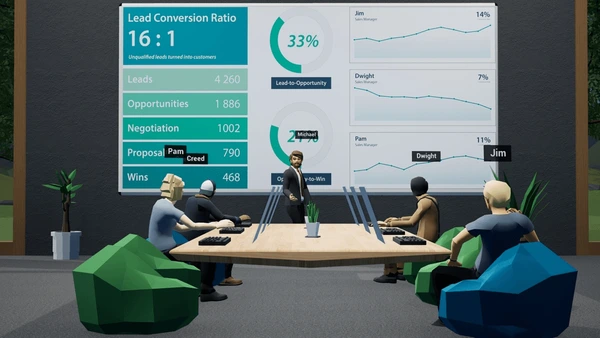
Track ecosystem-specific metrics:
- Number of active integrations or partners
- Cross-platform user engagement (e.g., % of users using 2+ ecosystem services)
- Partner satisfaction and retention
- Innovation velocity (new features co-built per quarter)
A healthy ecosystem grows with you—not just for you.
FAQs
Q: Do I need to be a tech company to build an ecosystem?
A: No. A local food co-op can link farmers, chefs, and consumers. A boutique agency can connect freelancers, clients, and tool providers. Ecosystems are about relationships—not just code.
Q: How long does it take to build a functional ecosystem?
A: Start small in 3–6 months (e.g., 2–3 key partnerships). A mature ecosystem takes 2–5 years—but early network effects can accelerate growth.
Q: What’s the biggest risk in ecosystem building?
A: Losing control of quality or brand alignment. Always set clear standards, monitor integrations, and sunset underperforming or misaligned partners.
Building a business ecosystem transforms you from a solo player into a platform for collective success. By enabling others to win, you create a self-reinforcing engine of innovation, loyalty, and resilience. Start with one strong connection—and let your network grow from there.