


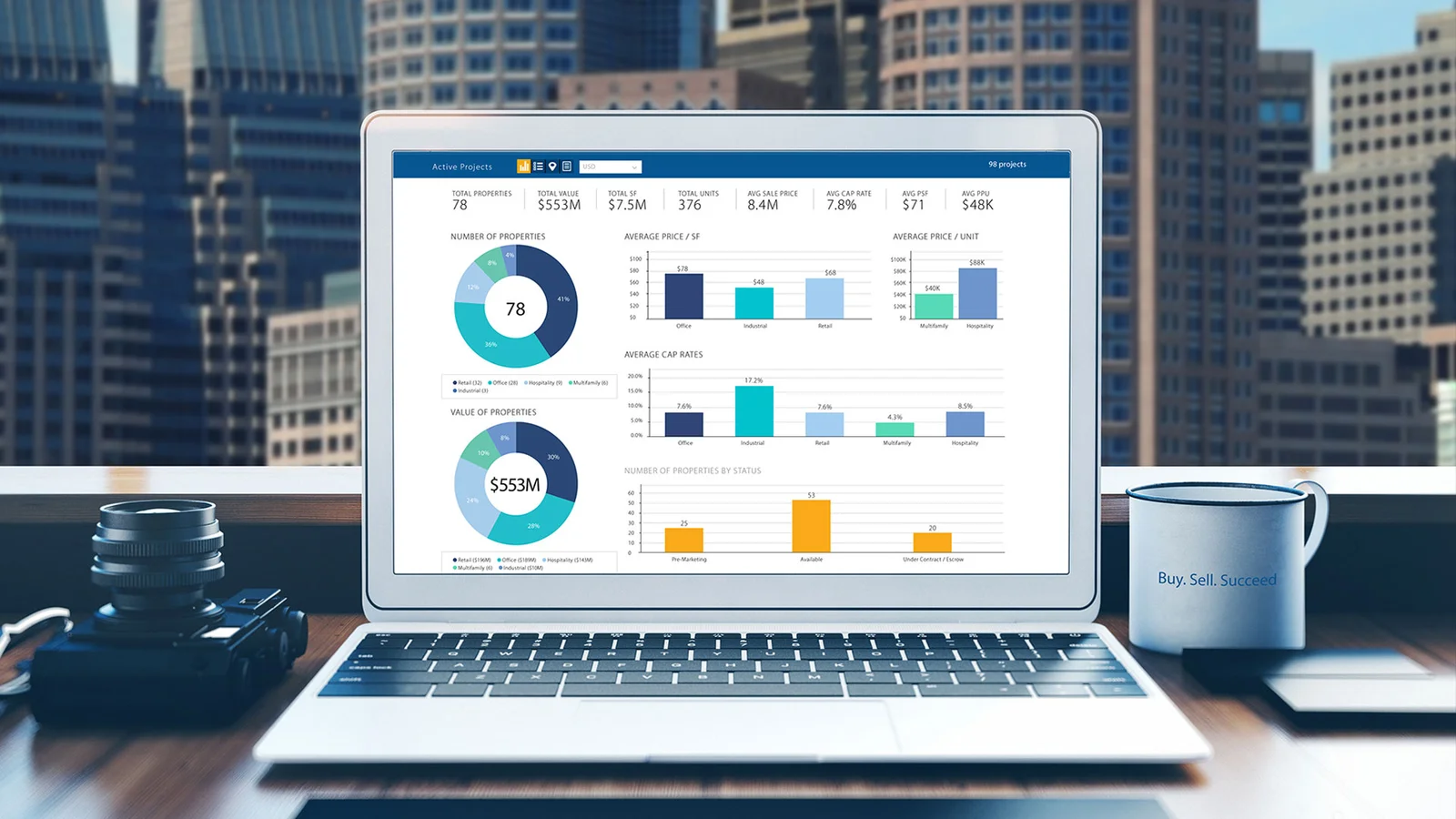
Artificial intelligence is no longer a standalone technology—it’s being seamlessly woven into the business applications companies already use daily. From customer relationship management (CRM) to accounting, project management, and HR systems, AI transforms standard software into intelligent, proactive tools that anticipate needs, automate decisions, and drive better outcomes. Here’s how to leverage AI within your core business applications.
1. AI in CRM: Smarter Customer Engagement
Modern CRMs like Salesforce Einstein, HubSpot AI, and Zoho Zia use AI to:
- Predict which leads are most likely to convert
- Recommend next-best actions for sales reps
- Auto-log emails and calls
- Analyze customer sentiment from support tickets
This turns your CRM from a digital Rolodex into a strategic growth engine.

2. AI in ERP & Accounting: Real-Time Financial Intelligence
AI-enhanced ERP systems (e.g., Oracle NetSuite, SAP S/4HANA) and accounting tools like QuickBooks or Xero can:
- Automatically categorize expenses
- Detect anomalies or fraud patterns
- Forecast cash flow based on historical trends
- Generate financial summaries in plain language
This reduces manual entry, improves compliance, and delivers instant insights.
3. AI in Project & Task Management
Tools like Asana, Monday.com, and ClickUp now embed AI to:
- Auto-create tasks from meeting notes
- Estimate project timelines based on past performance
- Identify bottlenecks before delays occur
- Summarize weekly progress for stakeholders
Teams stay aligned, proactive, and productive—without extra meetings.

4. AI in HR & Collaboration Platforms
Platforms like Microsoft Teams, Slack, and Workday use AI to:
- Transcribe and summarize meetings
- Suggest relevant documents during chats
- Match employees to internal opportunities based on skills
- Analyze engagement trends from feedback surveys
This fosters a more connected, responsive, and inclusive workplace.

Best Practices for Integration
- Start where you already work: Add AI to tools your team uses daily—no new platforms needed.
- Enable gradually: Turn on one AI feature at a time (e.g., meeting summaries before predictive analytics).
- Train and trust: Educate users on how AI works in their apps—and encourage feedback to refine its use.
AI in business applications isn’t about disruption—it’s about quiet, continuous improvement.
FAQs
Q: Do I need to replace my current software to use AI?
A: No—most leading business applications now include built-in AI features you can activate with a subscription upgrade.
Q: Is AI in business apps secure?
A: Enterprise-grade applications (like Microsoft 365 or Salesforce) offer robust data governance, encryption, and compliance controls—just ensure you configure permissions properly.
Q: Will AI make my team dependent on automation?
A: Not if guided well. AI handles repetitive tasks, but human judgment remains essential for strategy, creativity, and relationship-building—the core of business success.