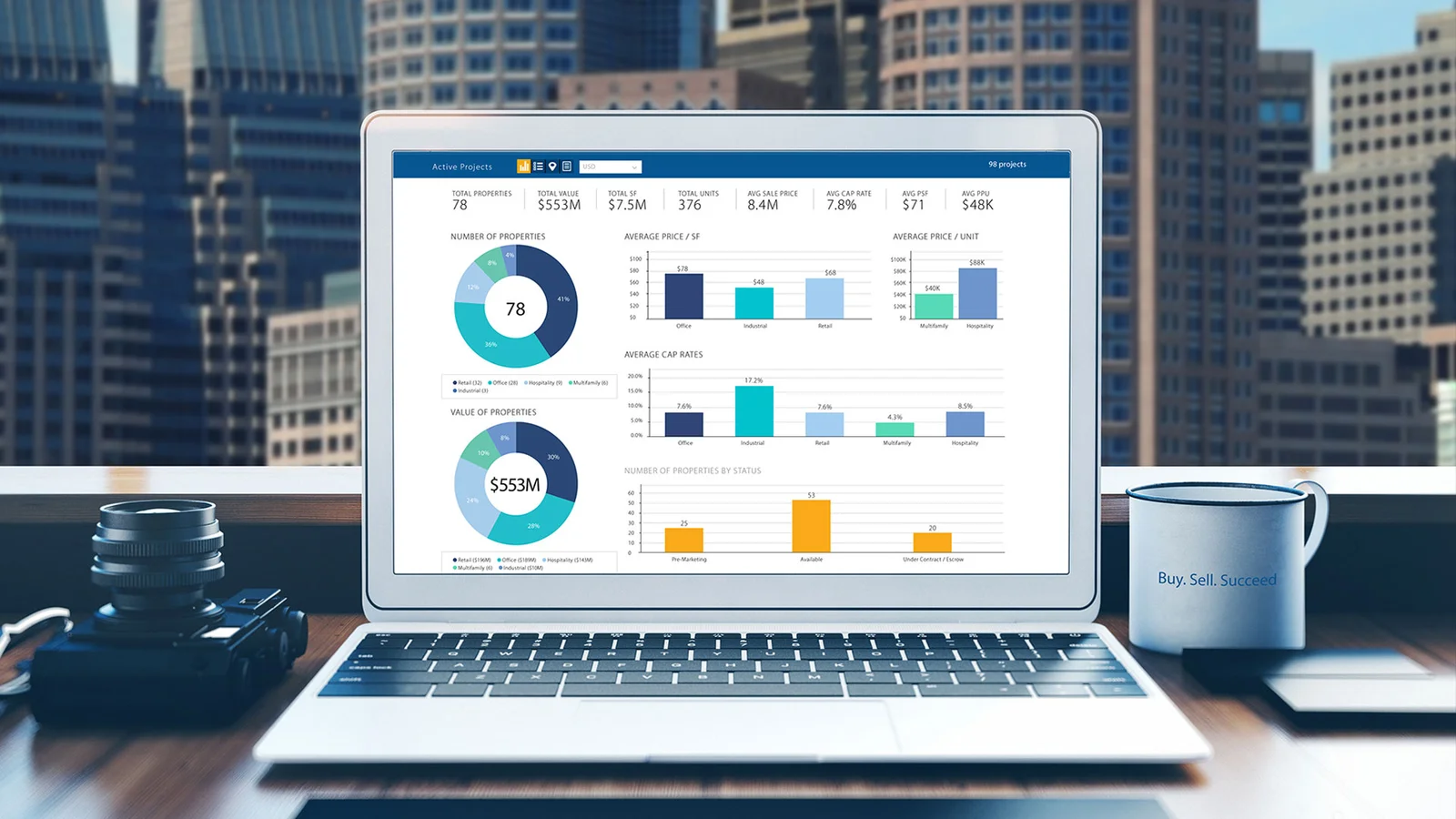

Business planning is evolving—from static annual documents to dynamic, living strategies powered by artificial intelligence. AI transforms how leaders set goals, allocate resources, and respond to market shifts by turning raw data into actionable foresight. Whether you’re launching a startup or steering an enterprise, here’s how to integrate AI into every stage of business planning.
1. Market & Competitive Intelligence
AI tools like Crayon, SimilarWeb, or AlphaSense continuously scan news, social media, earnings reports, and patent filings to track competitors and industry trends. They alert you to emerging threats or opportunities—like a rival’s new product launch or shifting consumer sentiment—so your plan stays ahead of the curve.

2. Predictive Financial Forecasting
Instead of relying on manual spreadsheets, use AI-driven platforms like Paddle, Finmark, or Anaplan to model revenue, expenses, and cash flow under multiple scenarios (e.g., “What if we expand to Europe?” or “What if raw material costs rise 20%?”). These systems learn from historical performance and external economic indicators to deliver accurate, adaptive forecasts.
3. SWOT & Risk Analysis Automation
AI can analyze your internal data (sales, operations, customer feedback) alongside external factors (regulations, supply chain risks, geopolitical events) to auto-generate SWOT (Strengths, Weaknesses, Opportunities, Threats) insights. Tools like IBM Watson or StratNavApp highlight blind spots and suggest mitigation strategies—making risk assessment faster and more comprehensive.

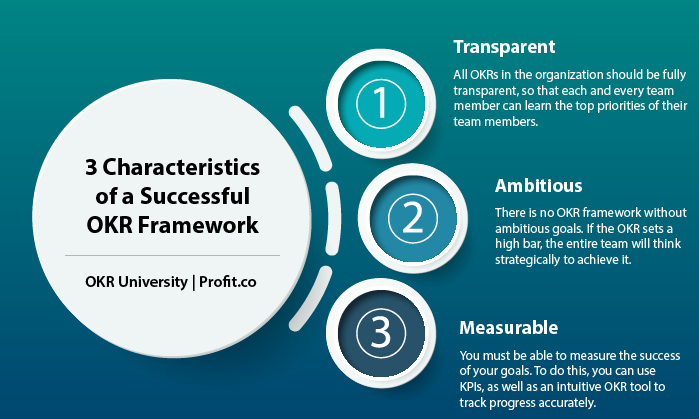
4. Goal Setting & OKR Optimization
AI helps translate vision into execution. Platforms like Weekdone or Gtmhub use machine learning to:
- Recommend realistic, data-backed objectives
- Align team OKRs (Objectives and Key Results) with company strategy
- Flag misalignments or stalled progress in real time
This ensures your plan isn’t just written—it’s actively lived.
Getting Started: Practical Steps
- Start with data: Clean, centralized data is the fuel for AI planning tools.
- Pilot one module: Begin with forecasting or competitive monitoring before scaling.
- Keep humans in the loop: AI informs decisions—but leaders must interpret context, ethics, and culture.
AI doesn’t replace strategic thinking—it amplifies it with speed, scale, and precision.
FAQs
Q: Can AI create a full business plan for me?
A: AI can draft sections (executive summary, market analysis, financials) based on your inputs, but human oversight is essential for vision, values, and authenticity.
Q: Do I need advanced tech skills to use AI in planning?
A: No—modern AI planning tools feature intuitive interfaces and guided workflows designed for founders, CFOs, and strategy teams—not just data scientists.
Q: How often should I update my AI-assisted business plan?
A: With AI, planning becomes continuous. Review key assumptions monthly and run scenario updates quarterly—or whenever major market shifts occur.