
A Practical 7-Step Guide from Idea to Income
Building a business doesn’t require a huge budget, a fancy office, or years of experience. What it does require is clarity, consistency, and a solid foundation. Whether you dream of launching an online store, a local service, or a tech startup, this 7-step roadmap will help you build a business that lasts—without burning out.
1. Start with a Problem Worth Solving
Great businesses begin with a real problem—not just a cool idea. Ask:
- Who struggles with this issue daily?
- Are they willing to pay for a solution?
Validate your idea early by talking to potential customers or running a low-cost test (like a landing page or pre-order campaign).

2. Choose the Right Business Structure
Your legal structure affects taxes, liability, and growth. Most solopreneurs start with a sole proprietorship, but for protection and credibility, consider an LLC (Limited Liability Company). It’s affordable, easy to set up, and separates your personal assets from business risks.
Register your business name and get an Employer Identification Number (EIN) from the IRS—free and done online in minutes.
3. Build a Minimum Viable Product (MVP)
Don’t wait for perfection. Launch a simple version of your product or service to test demand.
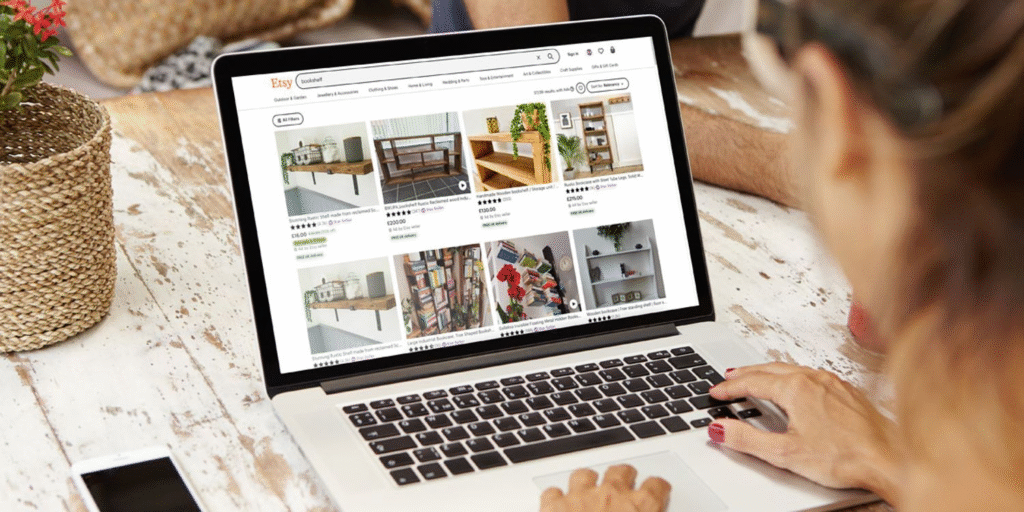
- Selling handmade goods? Start with 5 designs on Etsy.
- Offering consulting? Run 3 free sessions in exchange for testimonials.
Your MVP helps you learn fast—and avoid wasting time on features no one wants.
4. Set Up Essential Systems
Run your business like a pro from Day 1:
- Business bank account (keep finances separate)
- Accounting software (try Wave or QuickBooks—many are free)
- Payment processor (Stripe, PayPal, or Square)
- Basic website (use Squarespace or Wix—no coding needed)
These tools save hours and build trust with customers.
5. Get Your First Customers
Focus on one marketing channel that fits your audience:
- Local service? Try Nextdoor or Facebook Groups.
- Creative product? Instagram or Pinterest.
- B2B? LinkedIn or email outreach.
Offer value first—free tips, demos, or limited-time discounts—to build relationships, not just sales.

6. Deliver Exceptional Customer Experience
Your first 10 customers can become your biggest advocates—if you wow them.
- Respond quickly
- Over-deliver on promises
- Ask for feedback (and act on it)
Happy customers refer others, reducing your need to constantly “hunt” for new leads.
7. Track, Learn, and Scale
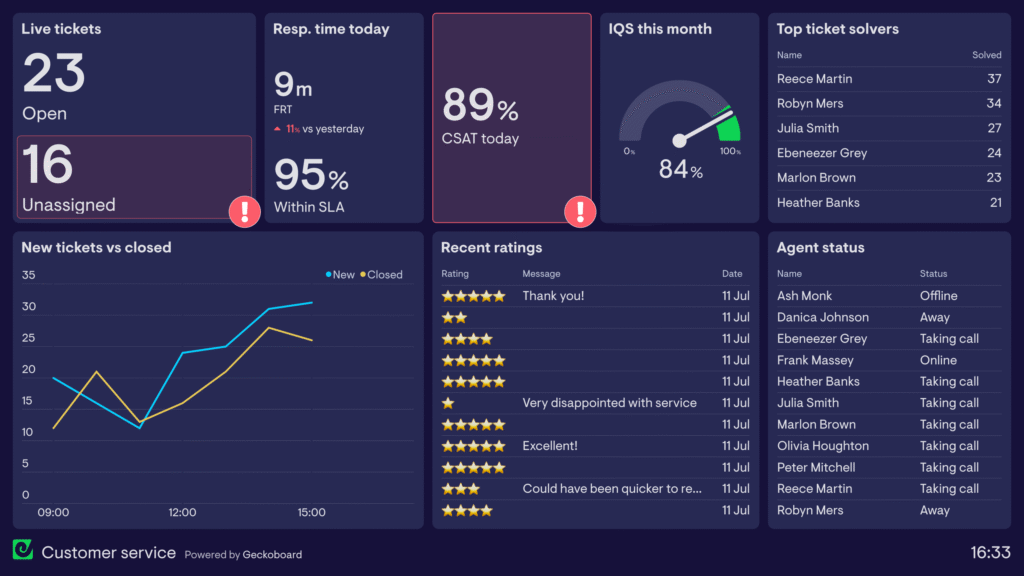
Review your numbers weekly:
- What’s selling?
- Where are customers coming from?
- What’s your profit margin?
Reinvest early profits into what’s working—better tools, inventory, or ads—and ditch what’s not.
FAQs
Q: How much money do I need to start a business?
A: Many service-based businesses start for under $100 (website + phone). Product-based businesses may need $500–$2,000 for initial inventory. Start small and scale as you earn.
Q: Do I need a business plan?
A: Not a 30-page document—but a one-page plan outlining your offer, target customer, pricing, and first steps is essential for focus and clarity.
Q: How long until I make a profit?
A: It varies, but most small businesses take 6–12 months to become consistently profitable. Focus on cash flow, not just revenue—know your break-even point.