

Building a business app isn’t just about coding—it’s about solving a specific problem for your customers or operations in the most efficient way possible. Whether you need a customer loyalty app, an internal tool for field staff, or an e-commerce companion, a well-designed app can boost retention, streamline workflows, and create a competitive edge. Here’s how to build one the smart way—from idea to launch.
1. Clarify the Purpose and Target Users
Start with: What problem does this app solve?
- For customers: “Reduce booking time from 10 minutes to 60 seconds”
- For employees: “Enable real-time inventory updates from the warehouse floor”
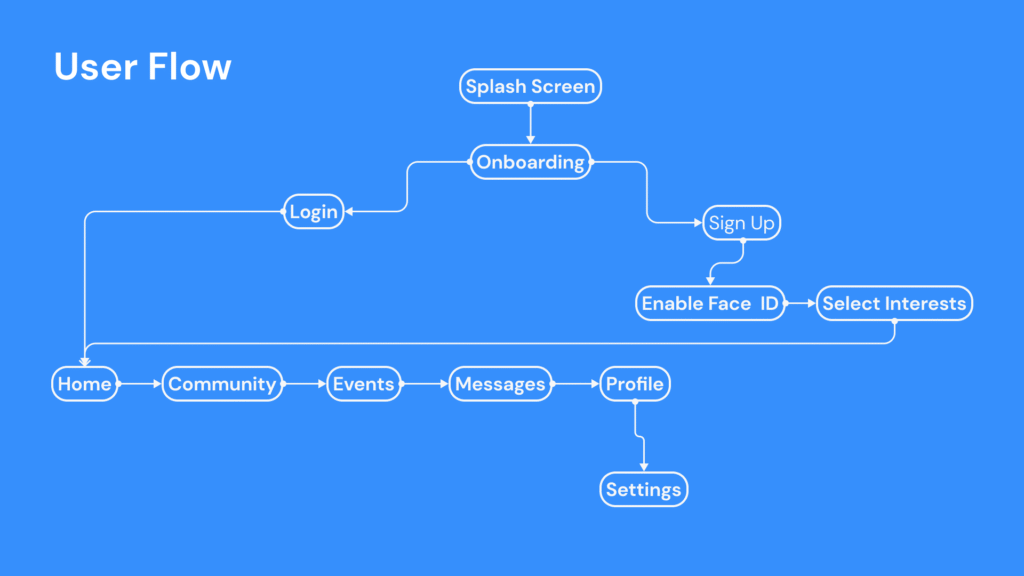
Define your primary user (e.g., “Busy salon clients” or “On-the-go sales reps”) and map their journey. Avoid feature creep—focus on 1–3 core functions first.
2. Choose the Right Type and Platform
Decide between:
- Native app (iOS/Android): Best performance, access to device features (camera, GPS)—but higher cost
- Web app (runs in browser): Lower cost, cross-platform, easier to update—ideal for MVP
- Hybrid app (React Native, Flutter): One codebase for both platforms—good balance
If you’re testing demand, start with a progressive web app (PWA)—it works like an app but lives on the web.
3. Design for Simplicity and Speed
Users abandon apps that are slow or confusing. Prioritize:
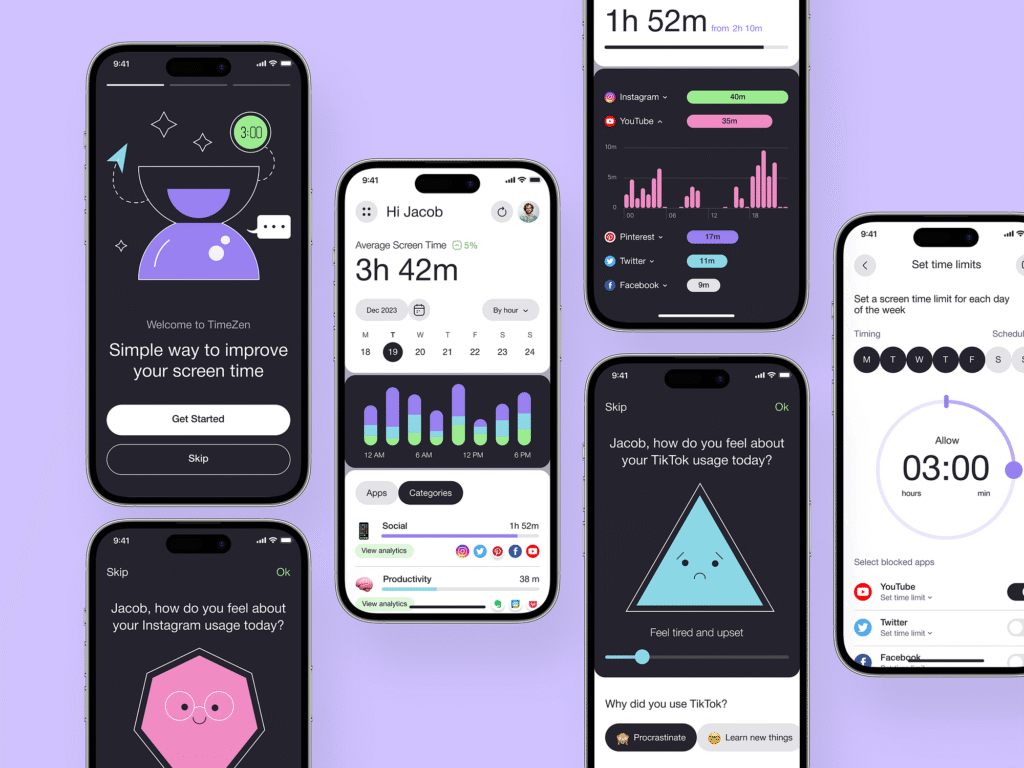
- Clean onboarding (3 steps max)
- Intuitive navigation (bottom menu for mobile)
- Offline functionality (e.g., save form data without internet)
- Fast load times (<2 seconds)
Use tools like Figma or Adobe XD to create clickable prototypes—test with real users before writing a single line of code.
4. Build Smart—Without Breaking the Bank
Options based on budget and skill:
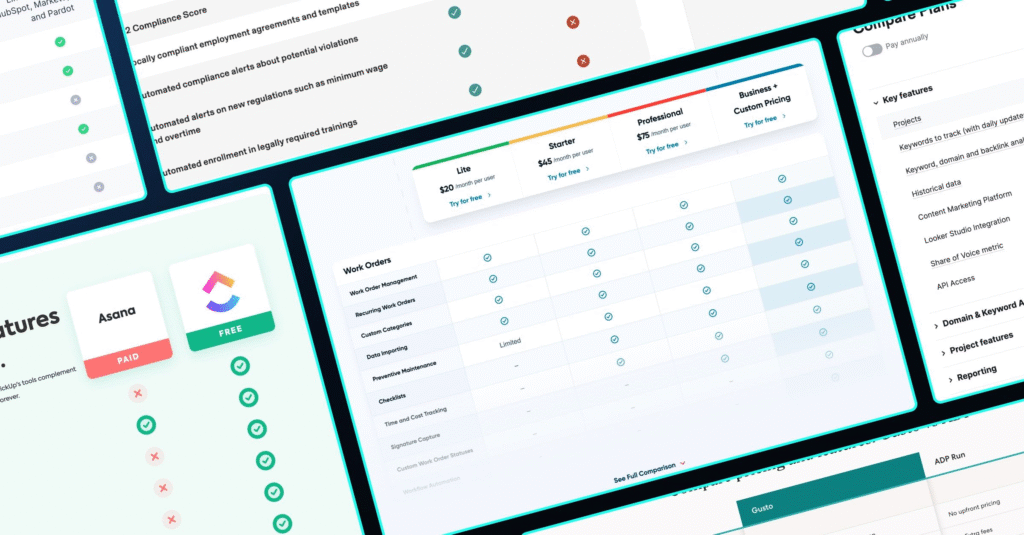
- No-code/Low-code (Bubble, Adalo, Thunkable): Launch MVP in days for $20–$100/month—great for service businesses
- Freelancer or agency: $10K–$100K+ for custom native apps (use Upwork or Toptal)
- In-house dev team: Only if you plan to scale and iterate long-term
Start small. Build a Minimum Viable Product (MVP) with only essential features—then add based on user feedback.
5. Test, Launch, and Iterate
Before full launch:
- Beta test with 10–50 real users (use TestFlight or Google Play Beta)
- Fix bugs and refine UX based on feedback
- Submit to app stores (Apple App Store review takes 1–7 days)
Post-launch:
- Monitor crashes (via Firebase or Crashlytics)
- Track engagement (session length, feature usage)
- Release updates every 2–4 weeks
Your app is never “done”—it evolves with your business.
FAQs
Q: Do I need an app if I already have a website?
A: Only if you need mobile-specific features (push notifications, GPS, camera access) or want to increase engagement—apps have 3x higher retention than mobile sites.
Q: How much does it cost to build a business app?
A: No-code MVP: $0–$500. Custom app: $10K–$150K+. Start small—many successful apps began as simple web tools.
Q: Can I update my app after launch?
A: Yes! In fact, you should. Regular updates fix bugs, add features, and keep users engaged. App stores make this seamless.
A great business app isn’t about flashy tech—it’s about delivering real value, fast and reliably. By focusing on user needs, starting lean, and iterating with purpose, you can build an app that grows your business without draining your resources. Your idea doesn’t need perfection—just a smart start.