

A business budget is more than a spreadsheet—it’s your financial GPS. It helps you anticipate cash flow, avoid overspending, and invest wisely in growth. Whether you’re launching a startup or running a small business, a well-built budget turns uncertainty into strategy. Here’s how to create one in 4 clear steps (read time: 3–4 minutes).
1. Estimate Your Revenue Realistically
Start with income—not expenses. Review past sales data if available, or research industry benchmarks if you’re new. Break revenue down by:
- Sales channels (online, in-person, wholesale)
- Product or service lines
- Seasonal trends
Be conservative. It’s better to under-promise and over-deliver than to base decisions on optimistic projections.

2. Categorize and List All Expenses
Divide costs into two buckets:
Fixed Costs (same every month):
- Rent
- Software subscriptions
- Insurance
- Salaries
Variable Costs (change with sales volume):
- Raw materials
- Shipping
- Marketing ads
- Payment processing fees
Don’t forget one-time or annual expenses (e.g., website renewal, licenses)—divide them into monthly amounts.
3. Build Your Budget Template
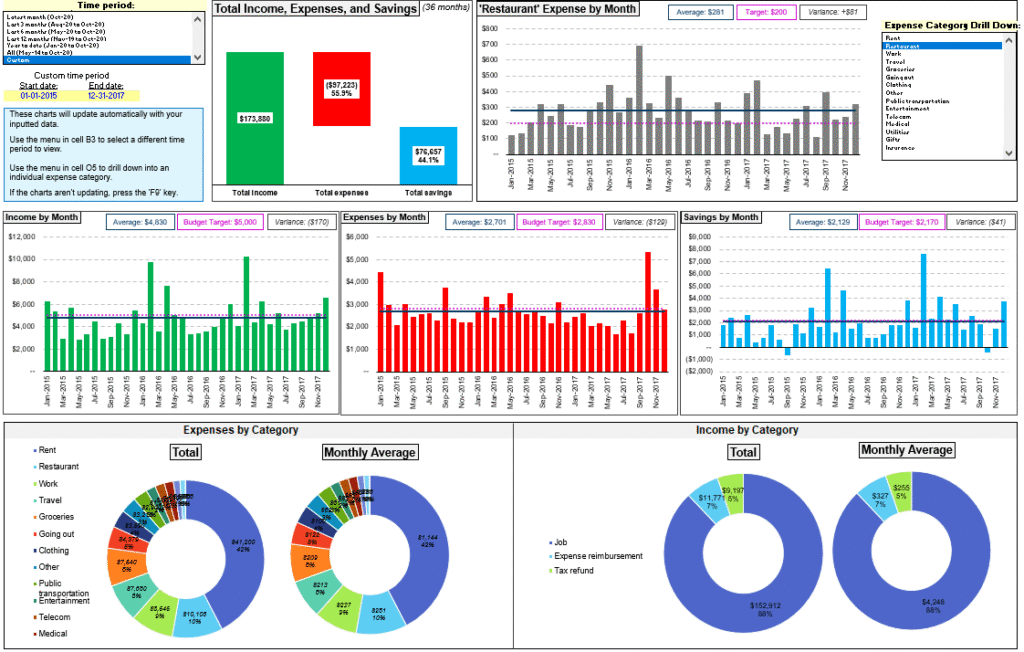
Use a free tool like Google Sheets, Excel, or a budgeting app (Wave, Zoho Books). Your template should include:
- Monthly columns (12 months)
- Rows for each income and expense category
- Formulas to auto-calculate totals, net profit (Revenue – Expenses), and cash flow
4. Monitor, Compare, and Adjust
Your budget isn’t set in stone. At the end of each month:
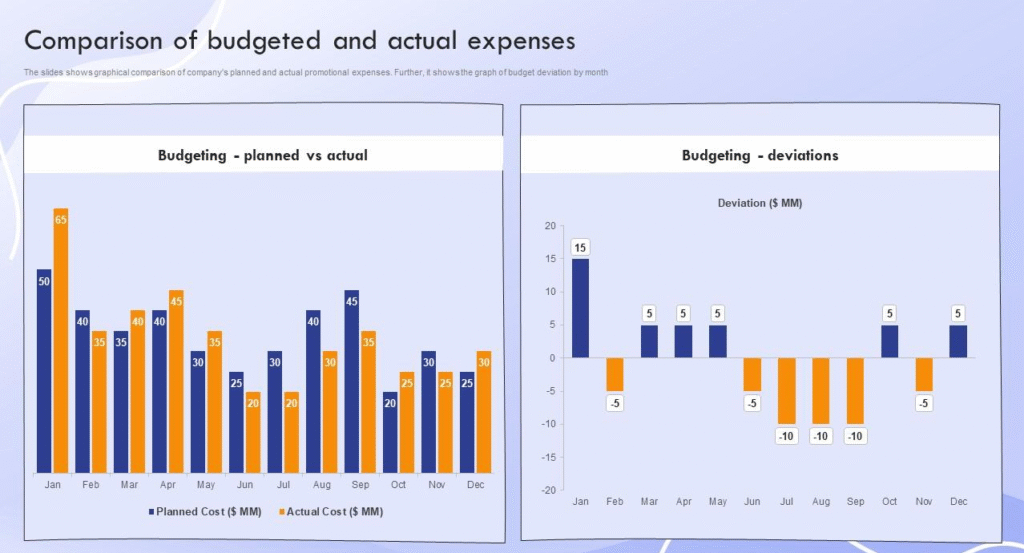
- Compare actual income/expenses to your budget
- Identify variances (e.g., “Marketing spend was 30% over—why?”)
- Adjust next month’s forecast based on real data
This “rolling forecast” approach keeps your business agile and financially aware.
Pro Tips
- Always include a contingency fund (5–10% of total expenses) for surprises.
- Separate business and personal finances—it’s essential for accurate budgeting.
- Review quarterly with your team or accountant to align on goals.
FAQs
Q: How detailed should my budget be?
A: Detailed enough to spot problems early—but not so granular it becomes overwhelming. Group similar items (e.g., “Office Supplies” instead of listing every pen).
Q: What if I have no past data to base my budget on?
A: Use industry averages, competitor research, and pilot testing. Start with a 3-month “test budget,” then refine based on real results.
Q: Should I budget for profit?
A: Yes! Treat profit as a non-negotiable line item (e.g., aim for 10–20% net margin). Pay yourself and reinvest in the business consistently.