
A business case isn’t just a formality—it’s your project’s passport to approval, funding, and executive support. Whether you’re proposing a new CRM implementation, a process automation initiative, or an office relocation, stakeholders need to understand why this project matters, what it costs, and what value it delivers. Here’s how to build a persuasive, executive-ready business case in five focused steps.
1. Clearly Define the Problem or Opportunity
Start with the “why.” Avoid vague statements like “We need to improve efficiency.” Instead, be specific and evidence-based:
- “Manual invoice processing takes 20 hours/week and causes 15% error rate.”
- “Customer onboarding takes 14 days—3x longer than competitors.”
- “Current software lacks mobile access, leading to 30% drop-off in field staff productivity.”
Use data from internal reports, customer feedback, or operational metrics to prove the gap.
2. Align with Organizational Strategy
Show how the project advances company priorities:
- “Supports 2024 goal: Reduce operational costs by 10%”
- “Enables digital transformation pillar in our 3-year roadmap”
- “Improves NPS score, directly tied to Q3 retention target”
If your project doesn’t connect to a strategic objective, it’s harder to justify—even if it solves a real problem.
3. Present a Realistic Financial Analysis
Break down costs vs. benefits over a 1–3 year horizon:
- Costs: Licensing, implementation, training, maintenance
- Tangible benefits: Labor savings, error reduction, revenue uplift
- Intangible benefits: Employee morale, compliance, brand reputation
Calculate key metrics:
- ROI: (Net Benefits / Total Cost) × 100
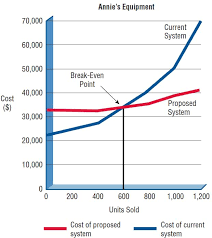
- Payback period: When cumulative benefits = total investment
- NPV (Net Present Value): For longer-term projects
Example:
Total cost: $85,000 | Annual savings: $60,000 | Payback: 17 months | ROI (Year 2): 41%
4. Outline Scope, Timeline, and Key Risks
Demonstrate you’ve thought it through:
- Scope: What’s in (e.g., “Automate AP invoicing for 3 departments”) and what’s out (“Does not include vendor portal”)
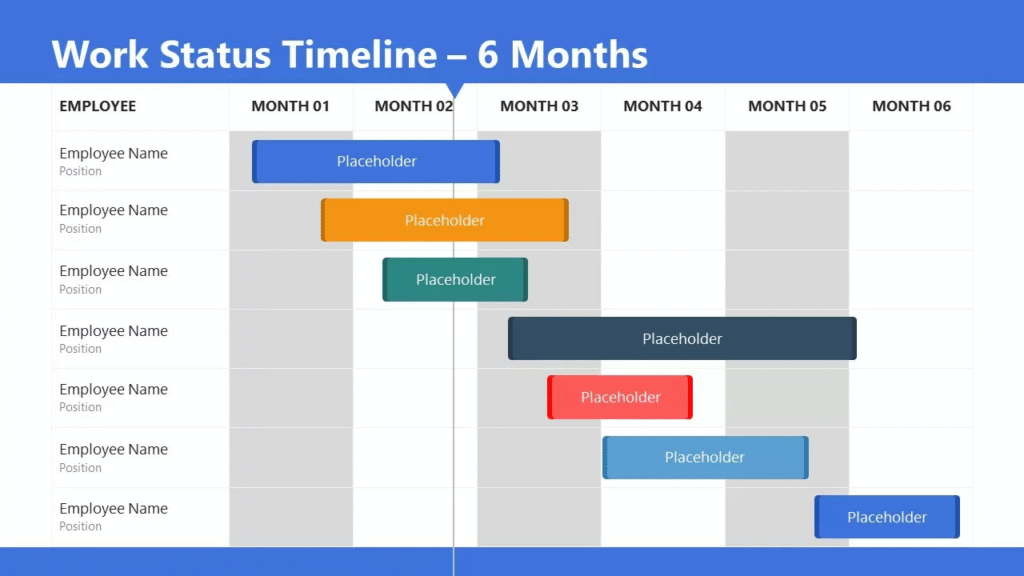
- Timeline: High-level phases (e.g., “Discovery: 2 wks → Build: 6 wks → Go-live: Week 9”)
- Risks & mitigations:
- Risk: User resistance → Mitigation: Change management plan + super-users
- Risk: Integration delays → Mitigation: Use API sandbox for early testing
This builds confidence in your ability to execute—not just propose.
5. Recommend a Clear Next Step
End with a specific ask:
- “Approve $90K budget and assign project team by [date]”
- “Authorize a 4-week discovery phase to finalize requirements”
- “Present to Steering Committee for final sign-off”
Make it easy for decision-makers to say “yes.”
FAQs
Q: How long should a business case be?
A: Keep the core document to 1–2 pages. Use appendices for detailed financials, technical specs, or survey data. Executives want the headline—not the novel.
Q: What if I don’t have exact cost estimates?
A: Use ranges (“$70K–$100K”) and note assumptions (“Based on vendor quotes from Q1”). Better to be transparent than inaccurate.
Q: Should I compare alternatives?
A: Yes! Briefly show 2–3 options (e.g., “Build vs. Buy vs. Do Nothing”) with pros/cons. It proves you’ve evaluated the best path—not just your favorite.
A strong business case turns a good idea into an undeniable opportunity. By grounding your project in data, strategy, and realistic planning, you don’t just request resources—you make a compelling case for growth, efficiency, and competitive advantage. Build it right, and your project won’t just get approved—it’ll get championed.