
Asking for more staff isn’t just about being “overworked”—it’s about proving that a new hire will drive measurable value. Whether you’re requesting a marketing specialist, customer support rep, or operations coordinator, leadership needs to see cost vs. impact. Here’s how to build a compelling, executive-ready business case that gets approved.
1. Start with the Problem—Backed by Data
Avoid vague complaints like “We’re swamped.” Instead, quantify the gap:
- “Current team handles 1,200 support tickets/month—30% above capacity (benchmark: 800)”
- “Project delivery is delayed by 12 days on average due to bandwidth constraints”
- “Sales team misses 40% of qualified leads due to lack of SDRs”
Use metrics from your CRM, project tools, or time-tracking software to show strain.
2. Link the Hire to Strategic Business Goals
Connect the role to company priorities:
- Revenue growth: “Adding 1 SDR = 150 new qualified leads/month → $180K pipeline”
- Customer retention: “Reducing ticket response time from 48h to 6h = 15% higher CSAT”
- Operational efficiency: “Dedicated ops hire saves 20 hrs/week in manual reporting”
Frame the hire as an investment, not a cost.
3. Outline the Financial Impact (ROI)
Calculate both cost and return:
- Cost: Salary + benefits + tools (e.g., $70K total)
- Return:
- Revenue generated (e.g., “$250K/year from new leads”)
- Cost savings (e.g., “$30K/year in reduced overtime”)
- Risk mitigation (e.g., “Avoid $50K in churn from poor support”)
Even a rough ROI like “$3.50 return for every $1 spent” is persuasive.
4. Present a Clear Role Definition & Implementation Plan
Include:
- Job title and core responsibilities
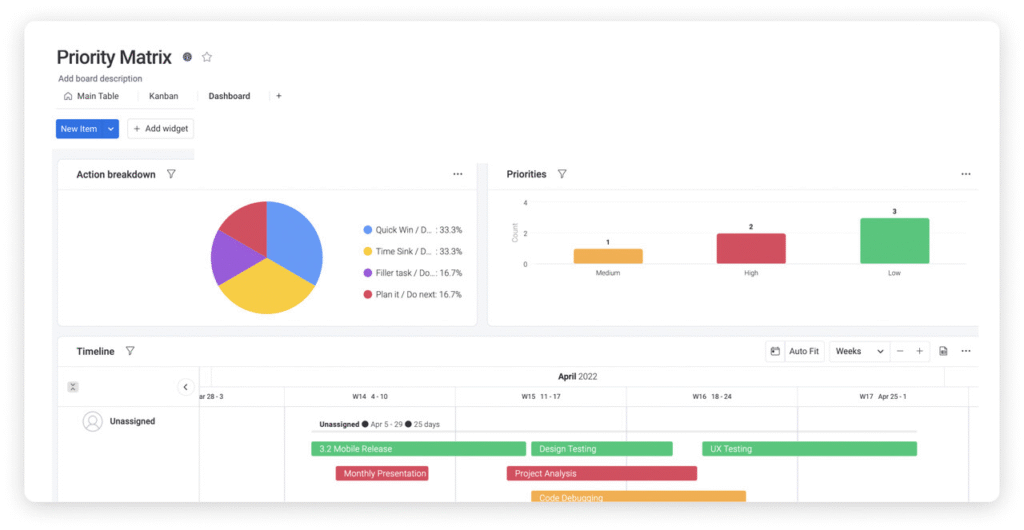
- Key performance indicators (KPIs) (e.g., “Close 5 deals/month”)
- Time to productivity (e.g., “Fully ramped in 60 days”)
- Onboarding/resources needed
This shows you’ve thought beyond the request—you’re ready to execute.
5. Address Objections Proactively
Anticipate concerns and counter them:
- “Can’t we outsource?” → “Specialized knowledge requires in-house control”
- “What if workload drops?” → “Role includes scalable tasks (e.g., process automation)”
- “Why not redistribute work?” → “Current team is at 120% capacity; burnout risk is high”
Show you’ve considered alternatives—and why this is the best path.
FAQs
Q: How detailed should the financials be?
A: Include enough to show rigor—annual cost, 6–12 month ROI projection, and key assumptions (e.g., “Based on current lead-to-close rate of 5%”).
Q: Should I propose a specific candidate?
A: Not in the initial case. Focus on the role’s value. You can share candidate profiles later if approved.
Q: What if leadership says “not in this budget cycle”?
A: Ask: “What metrics would make this a priority next quarter?” Then track those diligently—and re-pitch with updated data.
A strong business case turns a staffing request into a strategic opportunity. By focusing on data, alignment, and ROI—not just need—you position yourself as a solutions-oriented leader. Build your case with clarity, confidence, and conviction—and watch “no” turn into “next steps.”