

Business casual is the modern professional’s sweet spot: polished enough for the office, relaxed enough for creativity, and flexible enough for hybrid work. But “casual” doesn’t mean sloppy—it means intentional, put-together, and versatile.
The good news? You don’t need a closet full of clothes. With just 8–12 core pieces, you can build a business casual wardrobe that looks expensive, feels comfortable, and works Monday through Friday (and beyond).
Here’s how to build one—smartly and sustainably.
1. Start with the Right Foundation
Business casual sits between formal suits and weekend jeans. Think:
- For men: Chinos + button-down + loafers
- For women: Tailored trousers + blouse + ballet flats or ankle boots
Avoid ripped jeans, graphic tees, flip-flops, or overly tight/revealing pieces. When in doubt, lean slightly more polished—you can always roll up sleeves or swap heels for flats.

2. Invest in 5 Core Bottoms
Choose versatile, well-fitting bottoms in neutral colors:
- Men:
- Navy chinos
- Charcoal dress pants
- Dark wash, non-distressed jeans (if allowed)
- Women:
- Black tailored trousers
- Navy pencil skirt (knee-length)
- Dark-wash straight-leg jeans (office-appropriate)
✅ Fit tip: Tailor pants for the perfect break at the shoe—no bunching or dragging.
3. Build with 5–6 Top Staples
Mix and match these timeless tops:
- Crisp white button-down shirt
- Light blue oxford shirt
- Neutral knit polo (men) or shell blouse (women)
- Solid-color sweater (merino wool or cotton)
- Patterned blouse or shirt (subtle stripes, checks, or small florals)
Stick to classic colors: white, light blue, black, gray, navy, and soft neutrals (camel, olive, blush).

4. Add 2–3 Layering Pieces
These elevate any outfit:
- Unstructured blazer (navy or gray)
- Cardigan or fine-gauge sweater
- Trench coat or wool-blend coat (for colder months)
A blazer instantly makes jeans look office-ready. Choose unlined, soft-shoulder styles for true business casual ease.
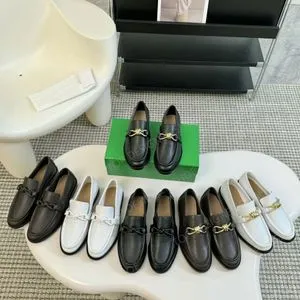
5. Choose Versatile Footwear
Pick shoes that transition from desk to dinner:
- Men:
- Brown leather loafers
- Clean white leather sneakers (minimalist style)
- Women:
- Black or nude ballet flats
- Low block-heel ankle boots
- Minimalist white or black sneakers
Avoid scuffed, overly casual, or athletic-looking shoes.
6. Finish with Minimal Accessories
Less is more:
- Simple watch
- Leather belt (match to shoes)
- Small stud earrings or minimalist necklace (women)
- Quality tote or briefcase (neutral color)
Avoid loud logos, excessive jewelry, or wrinkled bags.
7. Stick to a Cohesive Color Palette
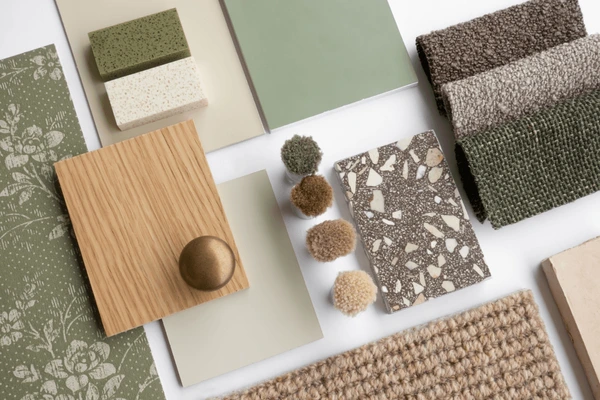
Build around 3–4 core neutrals (e.g., navy, gray, white, camel). This ensures every piece mixes and matches—maximizing outfits from minimal items.
Wash and care for clothes properly to keep them looking fresh. Quality over quantity always wins.
FAQs
Q: Can I wear jeans in a business casual office?
A: It depends on your workplace culture. If allowed, choose dark-wash, non-distressed, well-fitting jeans—and always pair with a blazer or structured top.
Q: How many pieces do I really need?
A: Just 10–12 core items (bottoms, tops, layers, shoes) can create 20+ unique outfits. Focus on fit, fabric, and versatility—not quantity.
Q: Where should I splurge vs. save?
A: Splurge on shoes, blazers, and trousers—they show wear fastest. Save on basics like tees, socks, and seasonal items.