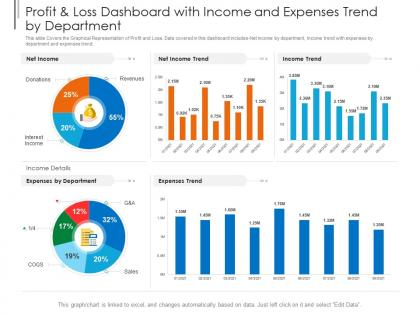

Your business credit score is your company’s financial reputation. It determines whether you qualify for loans, credit lines, vendor terms, and favorable interest rates—all while keeping your personal finances separate. Unlike personal credit (which uses FICO), business credit is tracked by bureaus like Dun & Bradstreet (D&B), Experian Business, and Equifax Business, and scored using metrics like PAYDEX, Intelliscore, and Business Credit Risk Score.
The good news? You can build a strong business credit score from scratch—even with no revenue or personal credit history. Here’s how to do it strategically and quickly.
1. Legally Separate Your Business
Start with an LLC or corporation (not a sole proprietorship). This creates a legal distinction between you and your business—essential for true business credit. Then, get an Employer Identification Number (EIN) from the IRS (free at irs.gov). Never use your SSN for business accounts.
2. Get a D-U-N-S® Number from Dun & Bradstreet
Dun & Bradstreet is the most widely used business credit bureau. Request a free D-U-N-S Number at dnb.com . This unique ID links your business to its credit file. Processing takes 1–3 days. Ensure your business name, address, and phone number (NAP) are consistent everywhere—especially on your website and Google Business Profile.
3. Open “Net 30” Vendor Accounts That Report to Credit Bureaus
These are starter credit accounts where you buy supplies now and pay in 30 days. Choose vendors that report payment activity to D&B, Experian, or Equifax. Top fast-reporting options:
- Uline (packaging)
- Grainger (industrial supplies)
- Crown Office Supplies
- Summa Office Supplies
- Nav’s Starter Vendor List (curated for credit-building)
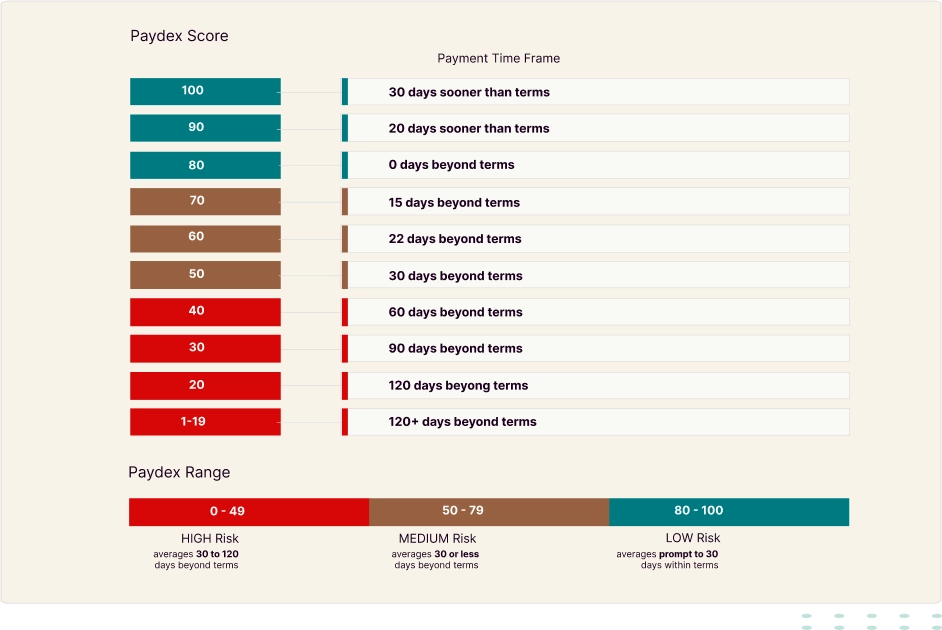
Apply using your EIN. Make small purchases and pay early (e.g., in 10–15 days) to boost your PAYDEX score—D&B’s payment reliability metric (scale: 1–100; 80+ is excellent).
4. Get a Business Credit Card That Reports to Bureaus
Not all business cards report to business credit bureaus—so confirm before applying. Good options include:
- Brex (reports to D&B and Experian; no personal guarantee for qualifying businesses)
- Divvy (reports to D&B)
- Ramp (reports to D&B)
Use the card for recurring expenses (software, ads) and pay in full before the statement closes to keep credit utilization low (<10% ideal).

5. Monitor and Maintain Your Credit Profile
Check your reports quarterly:
- Dun & Bradstreet: businesscredit.dnb.com
- Experian Business: experian.com/business
- Equifax Business: equifax.com/business
Dispute errors immediately. Avoid opening too many accounts at once. After 3–5 on-time tradelines reporting for 60+ days, your score will rise significantly.
FAQs
Q: How long does it take to build a business credit score?
A: You can establish a basic profile in 30 days. A strong, fundable score (PAYDEX 80+) typically takes 60–90 days of consistent, early payments.
Q: Can I build business credit with no revenue or bank account?
A: Yes—though having a business bank account helps with approvals. Many Net 30 vendors don’t require revenue, just an EIN and business address.
Q: Will my personal credit still be checked?
A: Initially, some lenders or card issuers may check it—but once you have 2–3 reported tradelines, many vendors and lenders rely solely on your business credit.