

Building a business from scratch is equal parts exciting and intimidating. But you don’t need a groundbreaking idea, a Silicon Valley network, or a six-figure budget to succeed. What you do need is a validated problem, a simple solution, and the discipline to take consistent action.
Whether you dream of opening a local shop, freelancing full-time, or selling products online, this 7-step guide walks you through building a real business—from idea to income—without wasting time or money.
1. Start with a Real Problem (Not Just a Passion)
Great businesses solve real, urgent problems people are already paying to fix. Ask:
- Who struggles with this daily?
- Are they actively searching for solutions?
- Would they pay me for it?
Validate fast:
- Talk to 10 potential customers (friends don’t count—ask strangers in your target group)
- Post a simple offer on social media: “Would you buy [solution] for $X?”
- Create a landing page with a “Notify at Launch” button (use Carrd or MailerLite—free)
✅ Example: Instead of “I love candles,” try “New moms in my city want non-toxic, calming home scents—would they pay $24 for a monthly subscription?”

2. Choose a Simple Legal Structure
Protect yourself early:
- Sole Proprietorship: Easy but offers no liability protection
- LLC (Limited Liability Company): Best for most—separates personal and business assets, affordable ($50–$500 depending on state)
Register your business name with your state and get an Employer Identification Number (EIN) from the IRS (free at irs.gov). Open a business bank account—even if you’re solo.
3. Build a Minimum Viable Offer (MVO)
Don’t wait for perfection. Launch the simplest version that delivers value:
- Service business? Offer 3 paid sessions to beta clients
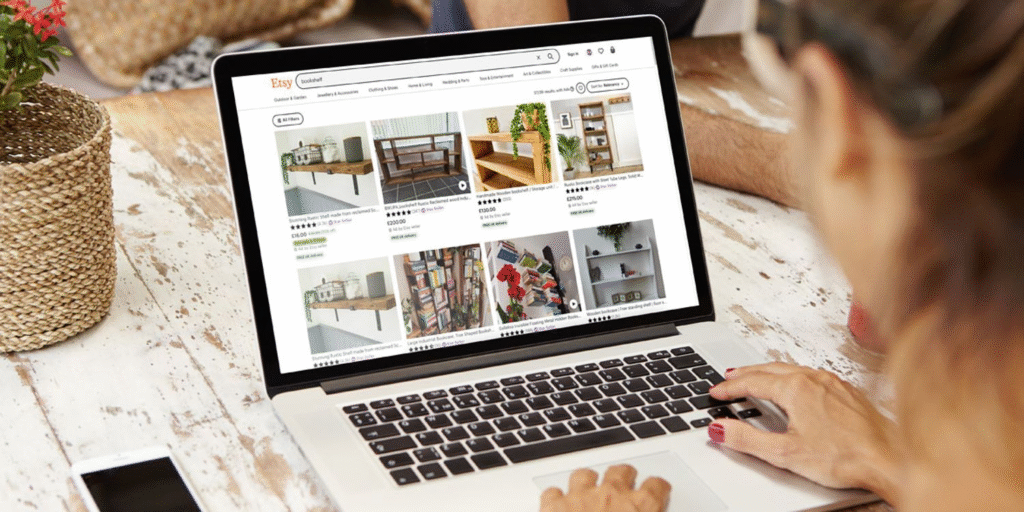
- Product business? Start with 5–10 handcrafted items on Etsy
- Digital product? Sell a $7 PDF checklist before building a full course
Your goal: Get paid feedback, not just opinions.
4. Set Up Essential Systems (Under $50/Month)
Run like a pro from Day 1:
- Website: Carrd or Wix ($12–20/month)
- Email: Use a professional address (you@yourbusiness.com ) via Zoho Mail (free) or Google Workspace ($6/month)
- Invoicing & Payments: PayPal, Square, or Stripe (free to start)
- Accounting: Wave (100% free) or QuickBooks Self-Employed
These tools build trust and save hours.
5. Get Your First 10 Paying Customers
Focus on one channel that fits your audience:
- Local service? Try Nextdoor, Facebook Groups, or flyers at community centers
- Creative product? Instagram or Pinterest
- B2B? LinkedIn or warm email outreach
Offer a launch discount or “first 10 clients” deal. Your mission: Prove people will pay.
6. Deliver Exceptional Value (Then Ask for Referrals)
Your first customers are your best marketers. Over-deliver:
- Send a thank-you note
- Include a free bonus
- Ask: “How can I make this 10x better for you?”
Then politely ask: “If you loved working with me, would you refer a friend or leave a review?”
7. Track, Learn, and Scale Sustainably
Review weekly:
- What’s selling?
- Where are customers coming from?
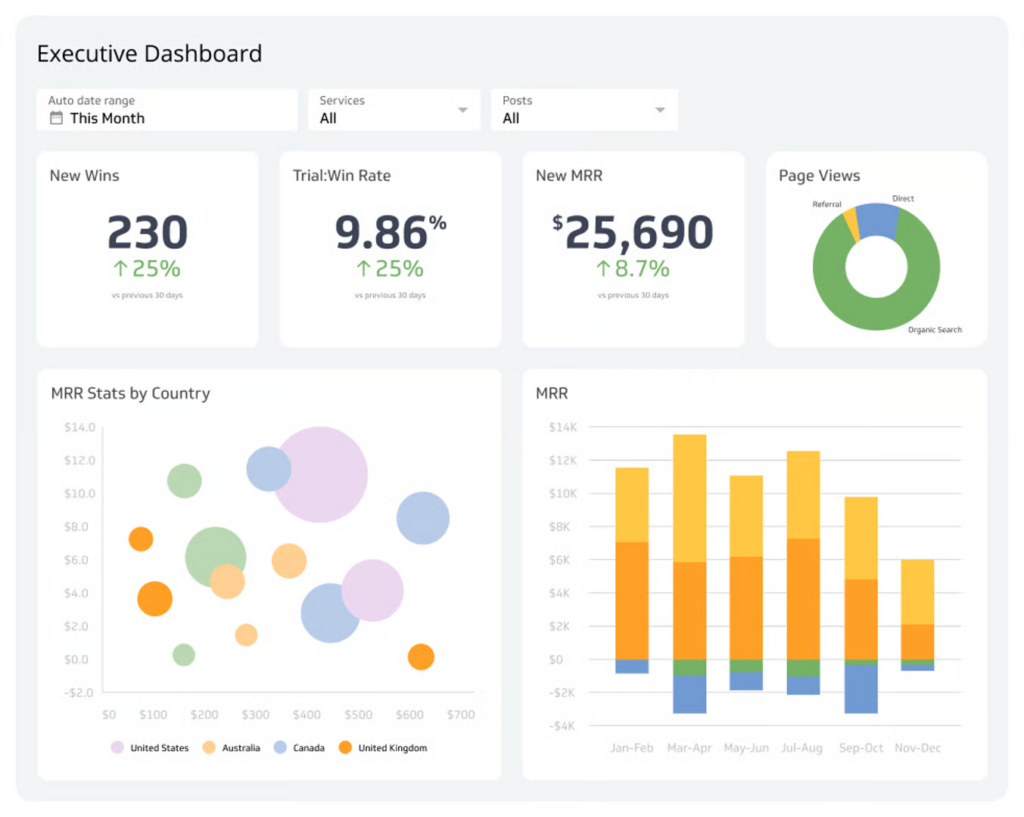
- What’s your profit after all costs (fees, materials, time)?
Reinvest early profits into what’s working—not shiny distractions. Grow slowly, profitably, and sustainably.
FAQs
Q: How much money do I need to start?
A: Many service-based businesses launch for under $100. Product-based may need $200–$500 for initial inventory. Start small—validate before you invest.
Q: Can I build a business while working full-time?
A: Yes! Most successful businesses start as side hustles. Dedicate 5–10 focused hours/week, protect your energy, and scale only when profitable.
Q: What if no one buys?
A: That’s valuable data—not failure. Pivot your offer, audience, or pricing. The goal isn’t to be “right”—it’s to find what works.