

A business model is your blueprint for creating, delivering, and capturing value. It answers the core question: “How will my business make money while solving a real problem?” Unlike a business plan (which details execution), a business model focuses on structure—your customers, offerings, costs, and revenue streams.
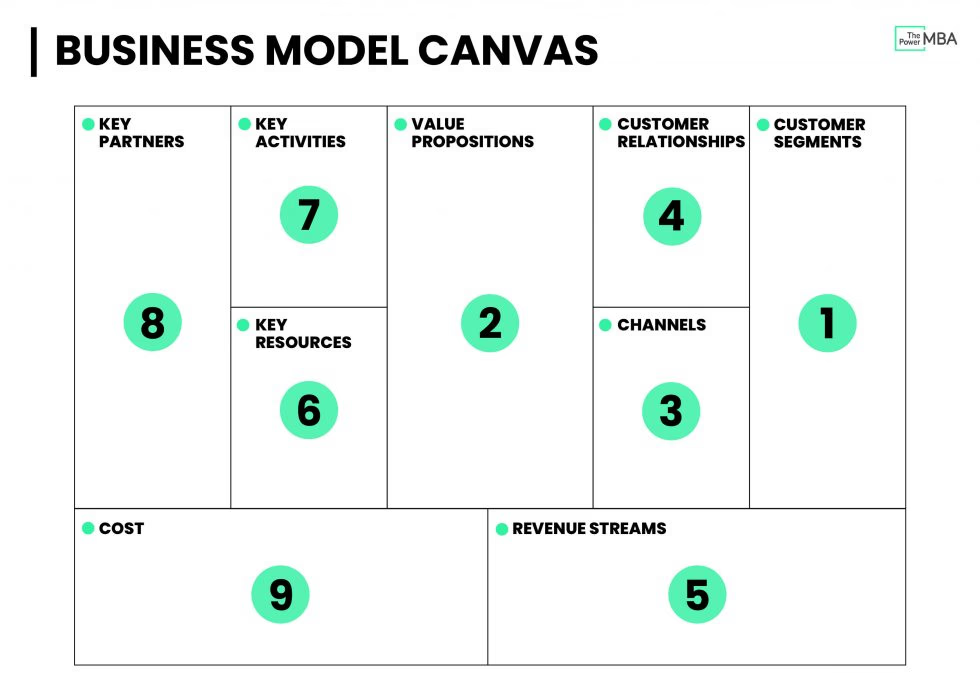
The fastest, most effective way to build one? The Business Model Canvas—a one-page visual tool used by startups and Fortune 500 companies alike. Here’s how to build a winning business model step by step.
1. Start with Customer Segments
Who are you creating value for? Be specific:
- “Busy working parents in urban areas”
- “SaaS startups with 10–50 employees”
- “Local coffee shops needing eco-friendly packaging”
Avoid “everyone.” The more precise your segment, the sharper your model.

2. Define Your Value Proposition
What unique benefit do you offer that solves your customer’s problem or fulfills a need? Ask:
- What do we do better than competitors?
- What pain points do we eliminate?
Examples:
- “Fresh, ready-to-cook meal kits delivered in 15 minutes”
- “HR software that automates compliance for small businesses”
Your value proposition should be clear, compelling, and customer-focused—not feature-focused.
3. Choose Your Channels
How will you reach, communicate with, and deliver value to customers? Options include:
- Your website or app
- Social media (Instagram, LinkedIn)
- Retail partners
- Email marketing
- In-person sales
Pick 1–3 primary channels to start. Don’t spread yourself thin.
4. Build Customer Relationships
How will you acquire, retain, and grow relationships? Examples:
- Self-service (e.g., e-commerce)
- Personal assistance (e.g., consultants)
- Automated email sequences
- Loyalty programs
Match the relationship style to your customer’s expectations and your margins.
5. Identify Revenue Streams
How will you make money? Common models:
- Transaction-based: One-time sales (e.g., product purchase)
- Recurring: Subscriptions, memberships, SaaS
- Licensing or royalties
- Freemium: Free basic service, paid upgrades
Be specific: “$29/month subscription,” “$150/hr consulting,” or “5% commission on sales.”
6. Map Key Resources
What assets are essential to deliver your value? Categories:
- Physical: Office, equipment, inventory
- Intellectual: Brand, patents, software
- Human: Founders, team, advisors
- Financial: Startup capital, revenue
List only what’s critical—avoid overbuilding early.
7. Outline Key Activities
What must you do excellently to succeed? Examples:
- Software development
- Content creation
- Supply chain management
- Customer support
Focus on 2–3 core activities that drive your competitive edge.
8. Identify Key Partnerships
Who helps you operate more efficiently or effectively? Consider:
- Suppliers
- Technology providers (e.g., Shopify, AWS)
- Strategic alliances
- Outsourced functions (accounting, fulfillment)
Partners reduce risk and cost—especially for lean startups.
9. Understand Cost Structure
What are your biggest expenses? Categorize as:
- Fixed costs: Rent, salaries, software
- Variable costs: Materials, shipping, payment processing
Aim for a model where revenue scales faster than costs (e.g., digital products > physical inventory).
FAQs
Q: What’s the difference between a business model and a business plan?
A: A business model explains how you create and capture value (the “what”). A business plan details how you’ll execute it over time (the “how” and “when”), including marketing, operations, and financial projections.
Q: Can I change my business model later?
A: Absolutely—and you likely will. Many successful companies (like Netflix or Slack) pivoted their models based on customer feedback and market shifts. Treat your model as a living hypothesis.
Q: Do I need investors to build a business model?
A: No. In fact, building a solid model before seeking funding increases your chances of approval. It shows you understand your economics—not just your idea.