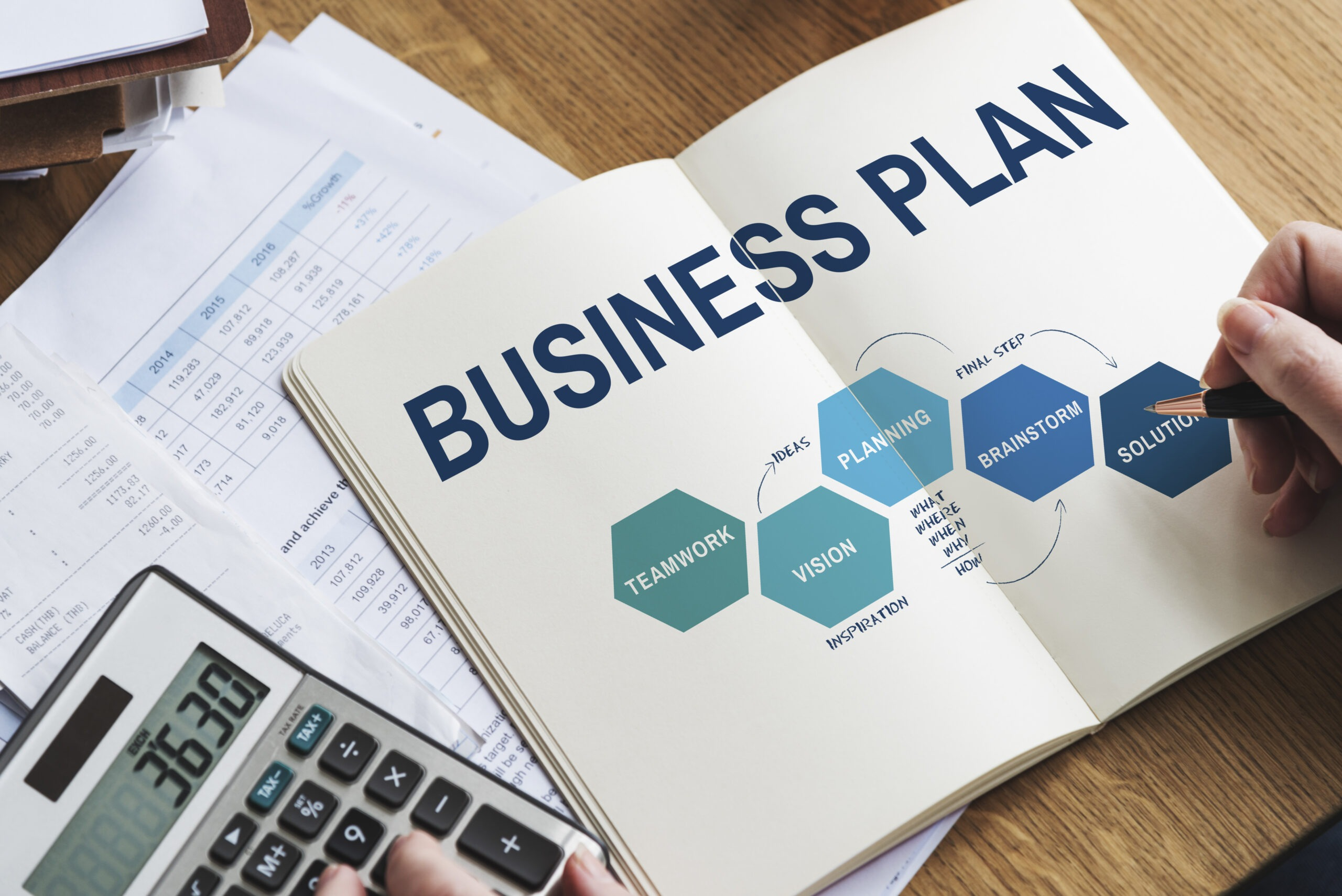

Opening a restaurant is exciting—but without a solid business plan, even the best recipes can lead to financial trouble. A strong plan helps you clarify your vision, secure funding (from banks or investors), and avoid costly mistakes before you sign a lease or buy your first stove.
Whether you’re launching a cozy café, fast-casual bowl shop, or fine-dining bistro, this guide walks you through building a practical, compelling restaurant business plan in 7 key sections.
1. Executive Summary (Write This Last)
This is your elevator pitch—keep it to one page. Include:
- Restaurant name and location (or target neighborhood)
- Concept (e.g., “Farm-to-table Mexican in Portland”)
- Mission statement (“Serving sustainable, bold flavors with zero food waste”)
- Ownership team
- Funding needed and projected profitability
💡 Tip: Investors read this first—make it irresistible.
2. Restaurant Concept & Brand Identity
Define what makes you unique:
- Cuisine type (e.g., Korean-Mexican fusion, vegan comfort food)
- Service style (counter, full-service, food truck, etc.)
- Ambiance (industrial-chic, family-friendly, romantic)
- Target customer (“Health-conscious professionals aged 28–45”)
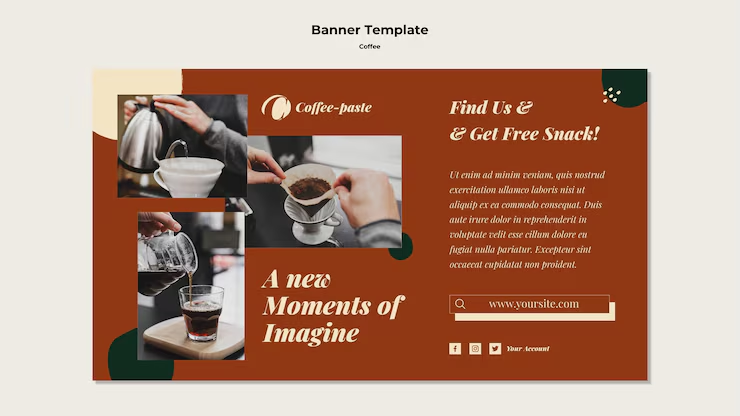
Include your brand voice, logo concept, and why your concept fills a gap in the local market.
3. Market Analysis
Show you understand your audience and competition:
- Local demographics: Population, income levels, dining trends in your area
- Competitor analysis: List 3–5 nearby restaurants—what they do well, and where they fall short
- Your competitive edge: “We’re the only restaurant within 2 miles offering gluten-free ramen with house-made broth”
Use data from U.S. Census, local chamber of commerce, or foot traffic reports.

4. Menu & Pricing Strategy
Your menu drives revenue and identity. Include:
- Sample menu (appetizers, mains, drinks, desserts)
- Price points (e.g., $12–$18 entrees)
- Food cost target (aim for 28–35% food cost)
- Sourcing plan (local farms, sustainable seafood, etc.)
Explain how pricing covers costs while staying competitive.
5. Operations Plan
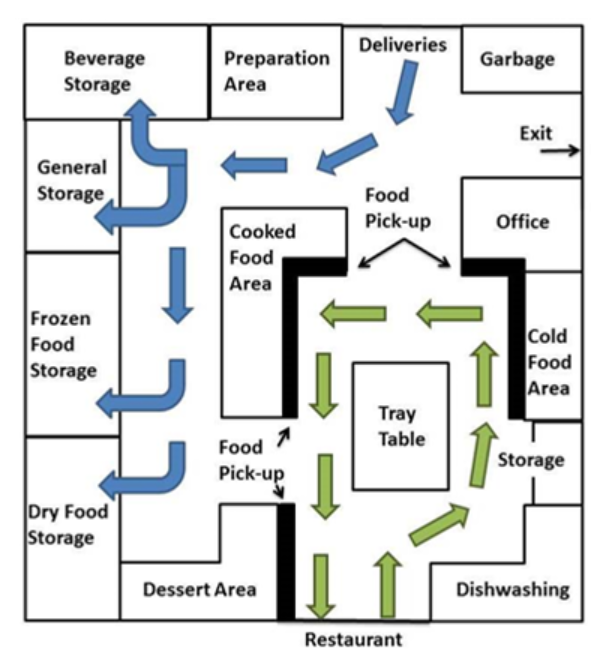
Detail how your restaurant will run day-to-day:
- Location: Lease status, square footage, seating capacity
- Hours of operation
- Staffing plan: Chef, line cooks, servers, manager (include labor cost estimates)
- Suppliers & equipment: POS system, ovens, refrigeration, linen service
- Health & safety compliance: Permits, inspections, training
6. Marketing & Sales Strategy
How will you fill seats from Day 1?
- Pre-opening buzz: Soft launch for influencers, email list sign-ups
- Grand opening: Live music, tasting menu, local media
- Ongoing tactics: Loyalty program, Instagram food reels, partnerships with nearby businesses
- Online presence: Website, Google Business Profile, delivery apps (if applicable)
Budget 3–5% of projected revenue for marketing.

7. Financial Plan (The Make-or-Break Section)
Investors care most about this. Include:
- Startup costs: Build-out, equipment, licenses, initial inventory ($150K–$500K+ depending on size)
- Monthly operating expenses: Rent, payroll, food, utilities, marketing
- Sales projections: Conservative, realistic, and optimistic scenarios (Year 1–3)
- Break-even analysis: “We break even at 62 covers per day”
- Funding request: How much you need and how it will be used
Use tools like Excel, LivePlan, or free restaurant templates from SCORE.org.
FAQs
Q: How long should a restaurant business plan be?
A: For loans or investors: 15–25 pages with detailed financials. For personal use: a 5–10 page lean plan is enough to stay focused.
Q: Do I need a chef on my team to write the plan?
A: Not necessarily—but you should consult one. Menu costing, kitchen workflow, and staffing require culinary expertise to be realistic.
Q: Can I update my business plan after opening?
A: Absolutely. Treat it as a living document. Review quarterly—adjust pricing, staffing, or marketing based on real-world performance.