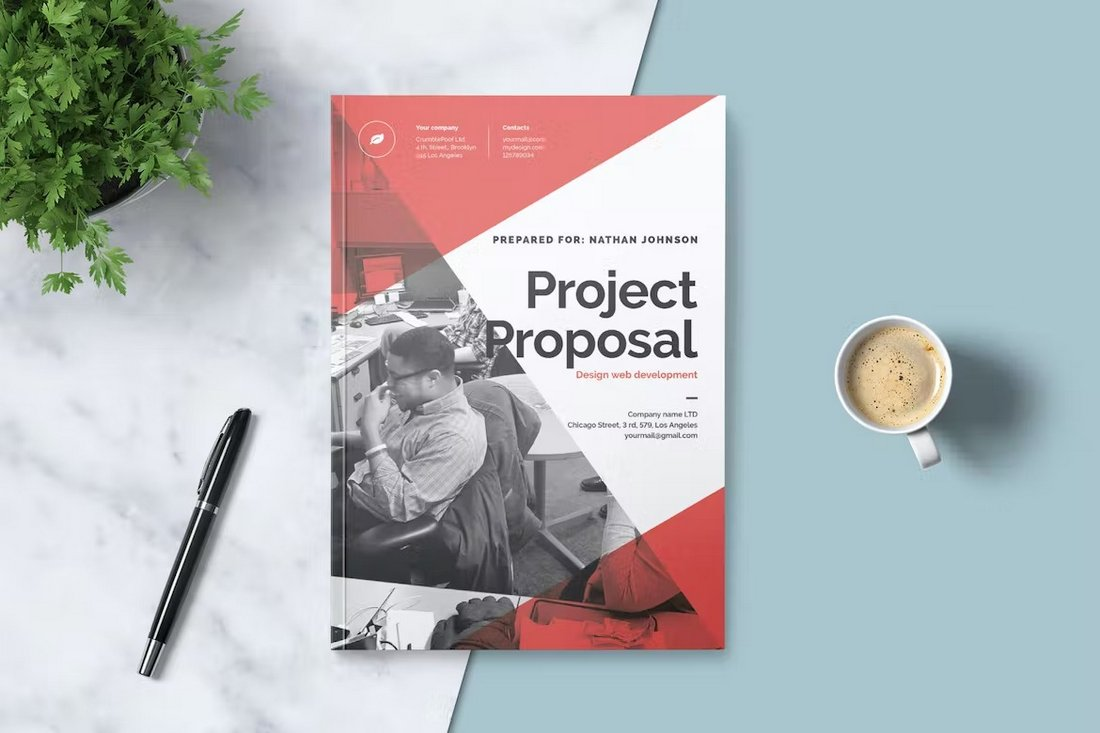

Whether you’re a freelancer, consultant, creative agency, or small business owner, a strong business portfolio is your most persuasive sales tool. Unlike a resume, it demonstrates real impact—not just what you do, but the value you deliver. In just 3–4 minutes, you’ll learn how to build one that converts.
1. Define Your Purpose and Audience
Start by asking:
- Who is this for? (Clients? Investors? Partners?)
- What action should they take? (Hire you? Request a quote? Follow your brand?)
Tailor content accordingly. A web designer’s portfolio for tech startups will look different than one for local restaurants.
2. Include Essential Sections
A winning business portfolio typically includes:
- About/Overview: Your story, mission, and unique approach.
- Services or Offerings: Clear, benefit-focused descriptions (not just features).
- Case Studies or Projects: 3–5 standout examples with context, your role, challenges, and measurable results (e.g., “Increased client’s conversion rate by 42%”).
- Testimonials: Quotes from happy clients with names, photos, and titles for credibility.
- Contact/CTA: Make it easy to reach you—include a form, email, or booking link.
Avoid clutter. Every element should serve your goal: building trust and driving action.
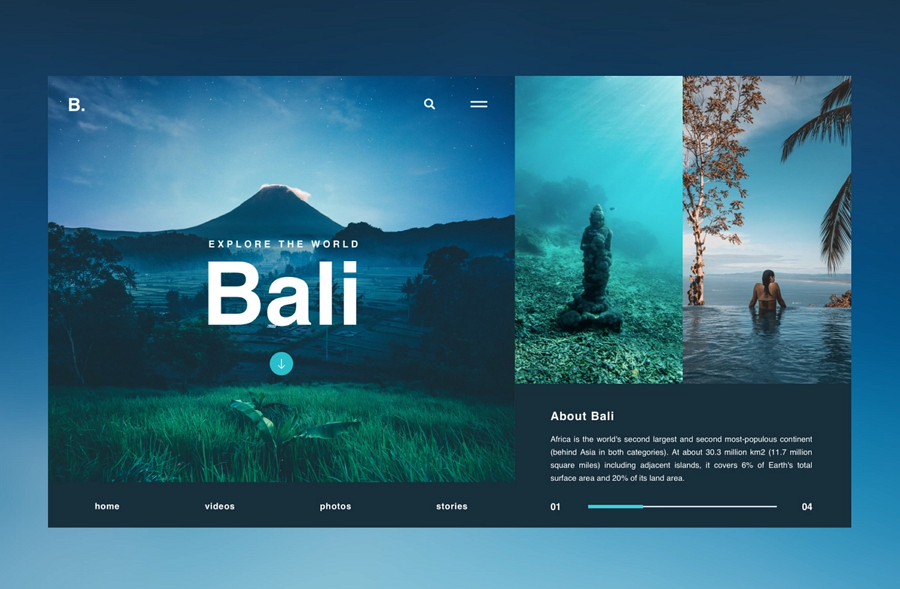
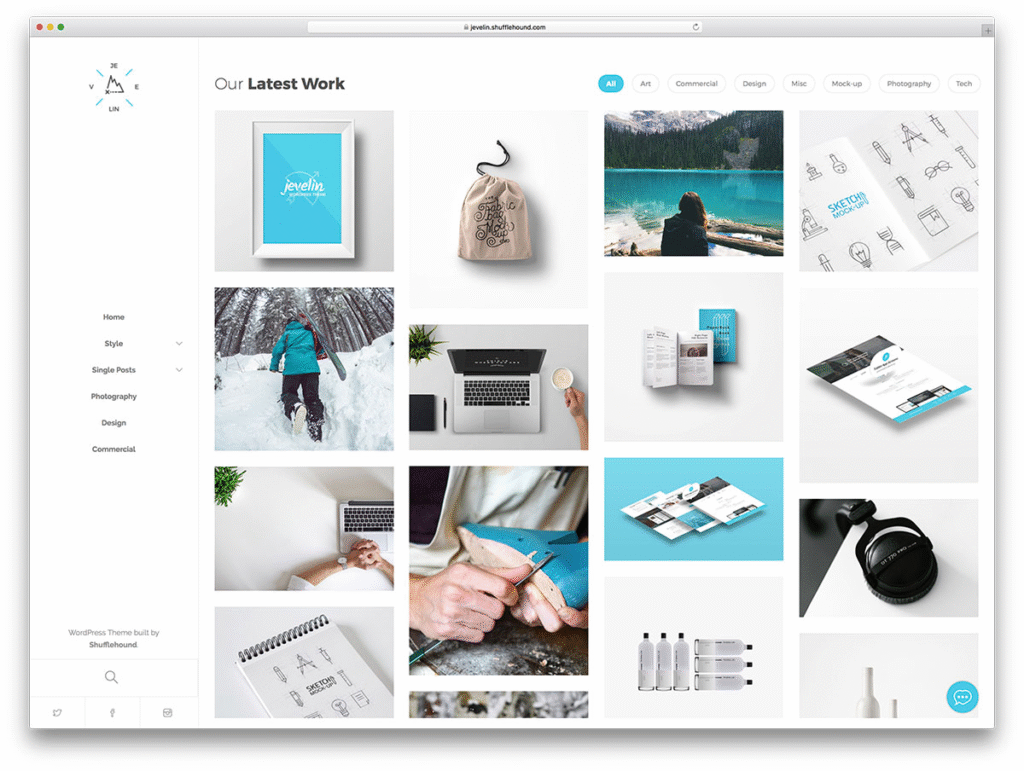
3. Showcase Work Visually and Strategically
Use high-quality images, videos, or interactive demos. For service-based businesses, turn outcomes into visuals:
- Before/after comparisons
- Infographics of results
- Short client video testimonials
4. Keep It Updated and Accessible
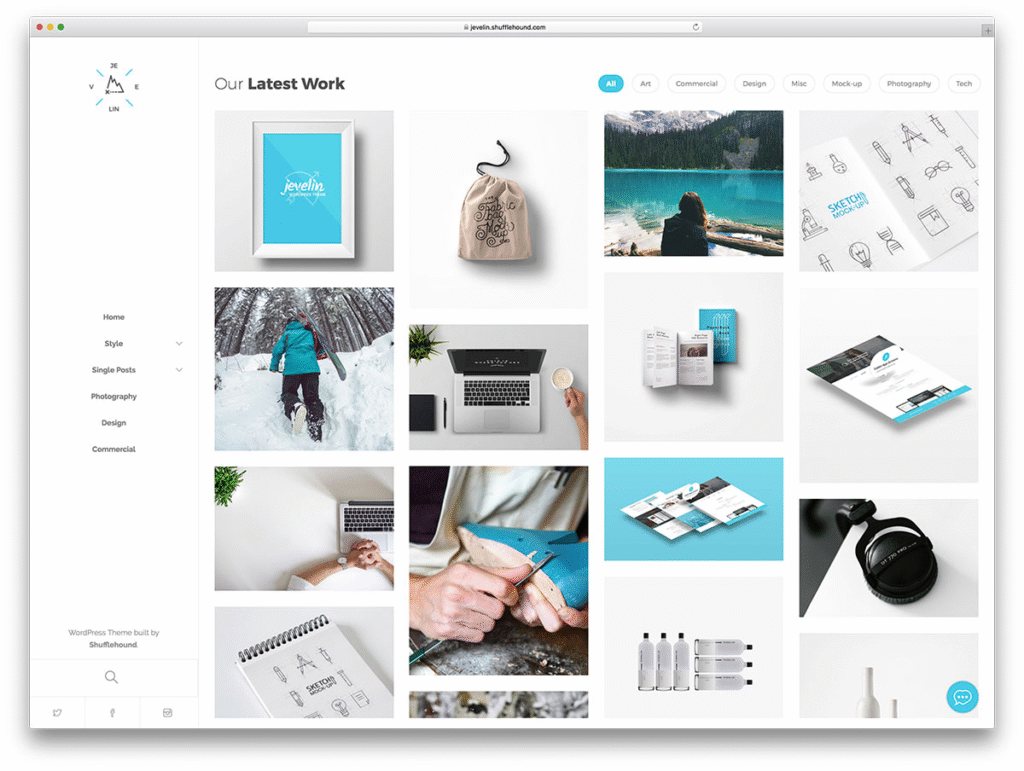
Your portfolio should live online—on your website, LinkedIn, or a dedicated platform like Behance, Clutch, or Notion. Update it quarterly:
- Add new wins
- Retire outdated work
- Refresh testimonials
Ensure it’s mobile-friendly and loads quickly. First impressions happen in seconds.
Final Tip: Less Is More
Quality trumps quantity. Three powerful case studies beat ten mediocre ones. Focus on work that aligns with your ideal client and future goals—not just past gigs.
FAQs
Q: Do I need a portfolio if I already have a website?
A: Yes—your portfolio is a core part of your website. It’s the section that proves your expertise through real examples, not just claims.
Q: What if I’m just starting and have no client work?
A: Create spec projects, volunteer for nonprofits, or document personal projects. Clearly label them as “Concept” or “Pro Bono,” but show your process and thinking.
Q: Should I include pricing in my portfolio?
A: Not necessarily on the public site—but have a pricing guide ready to share during consultations. Transparency builds trust, but flexibility allows for customization.