
A business proposal isn’t just a document—it’s your chance to solve a prospect’s problem before you’ve even signed the contract. Whether you’re pitching a service, partnership, or project, a well-crafted proposal builds trust, demonstrates expertise, and clearly outlines value. In under 4 minutes, you’ll learn how to create one that stands out.
1. Start with Research and Personalization
Before writing a word, understand your prospect’s:
- Pain points
- Business goals
- Budget constraints
- Past vendors or challenges
Use this insight to tailor your language, solutions, and examples. A generic proposal rarely wins.
2. Follow a Proven Structure
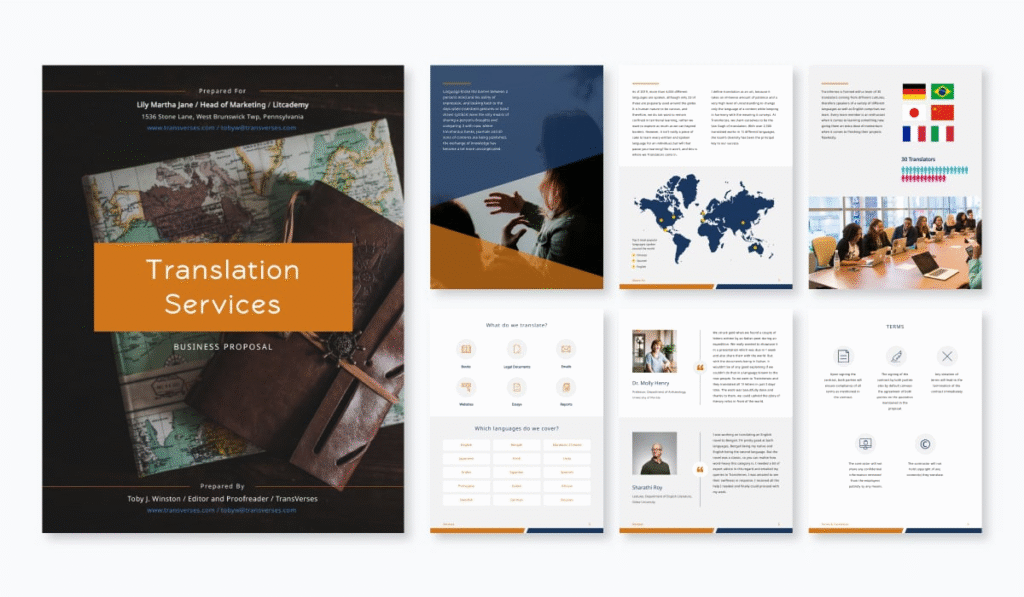
A winning business proposal includes these key sections:
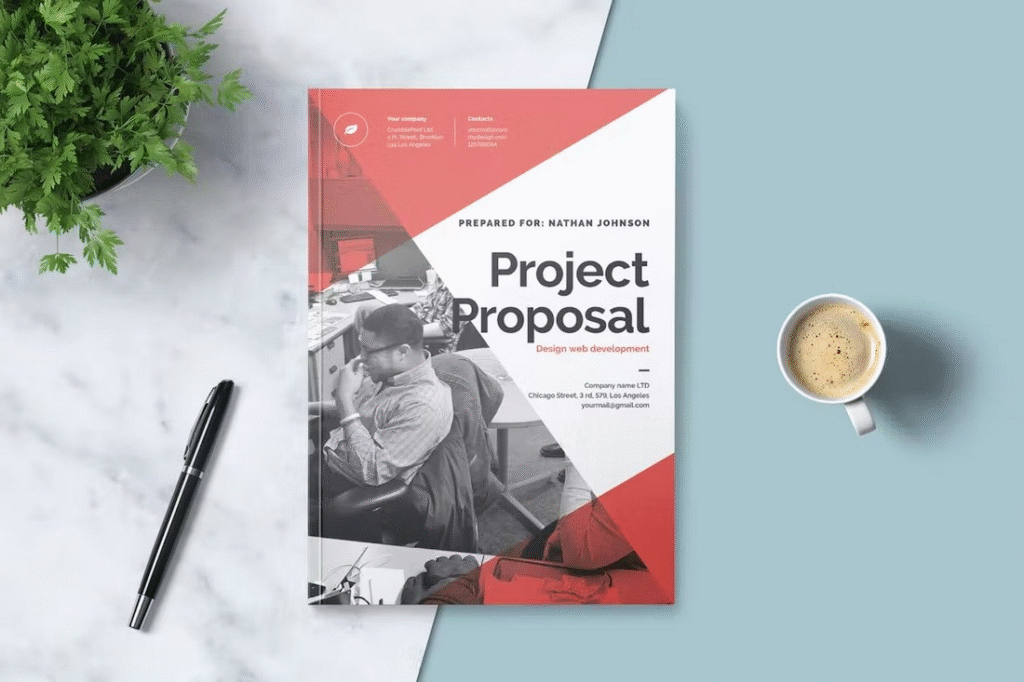
- Title Page: Project name, your company logo, client name, and date.
- Executive Summary: A concise overview of the problem, your solution, and key benefits (write this after the rest).
- Problem Statement: Show you truly understand their challenge—use their words if possible.
- Proposed Solution: Detail your approach, timeline, deliverables, and methodology. Be specific.
- Pricing & Payment Terms: Break down costs clearly (e.g., packages, hourly rates, milestones).
- About Your Company: Brief bio, relevant experience, and 1–2 similar success stories.
- Call to Action: Next steps—e.g., “Sign by [date] to start on [date].”
Keep it professional but conversational—avoid jargon.
3. Focus on Value, Not Features
Don’t just list what you’ll do—explain why it matters.
Instead of: “We’ll design a website.”
Say: “We’ll build a mobile-optimized website that reduces bounce rate by 30% and captures 50+ qualified leads/month.”
Use metrics, case studies, or testimonials to back up claims.
4. Design for Clarity and Trust
- Use your brand colors and logo
- Include clear headings and bullet points
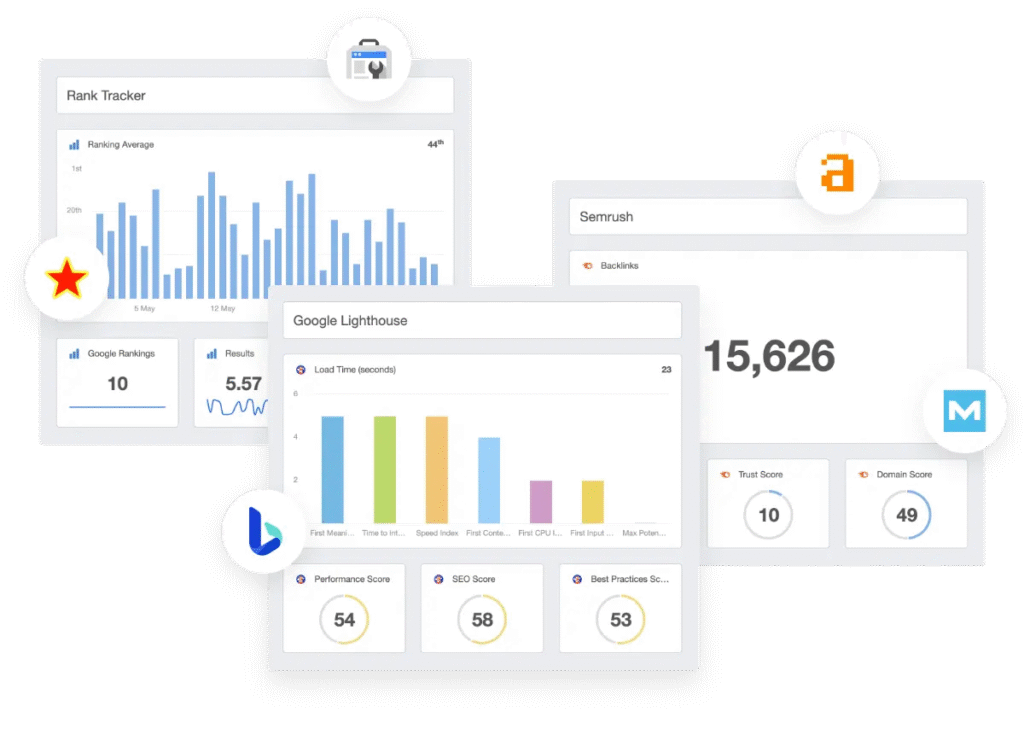
- Add visuals: timelines, process diagrams, or before/after mockups
- Keep it under 10 pages (shorter for simple projects)
Always deliver as a PDF to preserve formatting—and name the file professionally:[YourBiz]_Proposal_[ClientName]_[Date].pdf
Final Tip: Make It Easy to Say “Yes”
Include a simple signature block or link to e-sign (via DocuSign, HelloSign, etc.). Reduce friction—every extra step lowers your close rate.
FAQs
Q: Should I send a proposal before or after a discovery call?
A: Always after. A discovery call ensures your proposal is tailored and addresses real needs—not assumptions.
Q: How detailed should the pricing section be?
A: Transparent but flexible. List deliverables with associated costs, note what’s included/excluded, and offer 1–2 package options if appropriate.
Q: Can I reuse parts of old proposals?
A: Yes—for boilerplate sections like “About Us” or process descriptions—but never copy-paste the solution or pricing without customization. Personalization wins.