

A Business Rules Engine (BRE) allows organizations to define, manage, and execute business logic separately from application code. This decoupling enables non-technical stakeholders to update policies (e.g., pricing, eligibility, fraud detection) without developer intervention—accelerating agility and reducing risk. While full BREs like Drools or IBM ODM exist, you can also build a lightweight, custom engine tailored to your needs. Here’s how (read time: 3–4 minutes).
1. Understand the Core Components
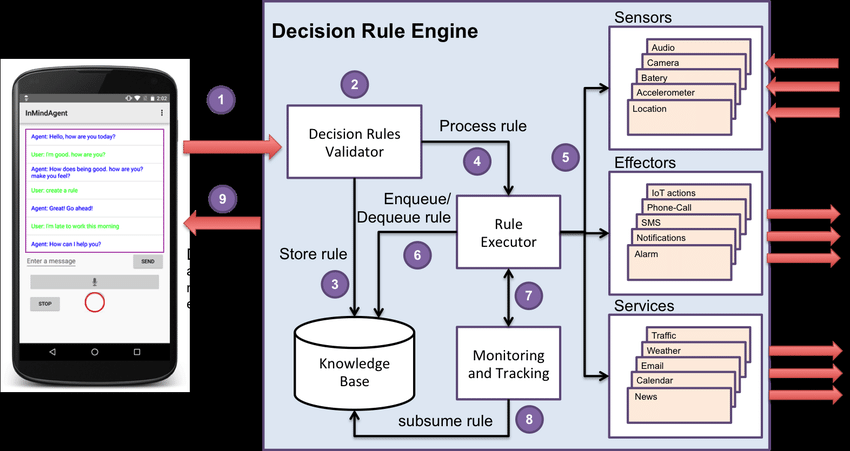
Every rules engine includes:
- Rules: Conditional logic (e.g., “IF customer.tier == ‘Gold’ THEN discount = 15%”)
- Facts: Input data the rules evaluate (e.g., customer profile, order details)
- Inference Engine: Executes rules against facts (forward-chaining or backward-chaining)
- Rule Repository: Stores rules (database, JSON files, or UI-driven editor)
💡 Goal: Keep rules external, readable, and version-controlled.
2. Choose Your Approach
- Use an existing BRE:
- Drools (Java)
- Microsoft Rules Engine (.NET)
- Easy Rules (Java)
- Node-RED or JSON Rules Engine (JavaScript)
- Build a lightweight custom engine (for simpler use cases):
- Store rules as JSON/YAML
- Use a scripting language (e.g., JavaScript, Python) to evaluate conditions
- Leverage decision tables or decision trees

3. Design a Maintainable Rule Structure
Structure rules for clarity and reuse:
json
{“rule_id”:”discount_gold_customer”, “condition”:”customer.tier == ‘Gold’ && order.total > 100″, “action”:”applyDiscount(15)”}
- Use domain-specific language (DSL) where possible (e.g., “IF customer is Gold…” instead of code)
- Group rules by module (pricing, compliance, routing)
- Support rule priority and conflict resolution
4. Implement with Separation of Concerns
- Application code should only:
- Prepare facts
- Call the rules engine
- Handle results
- Rules engine handles:
- Loading rules
- Evaluating conditions
- Executing actions
Use dependency injection to swap rule sets (e.g., test vs. production).

5. Add Governance and Testing
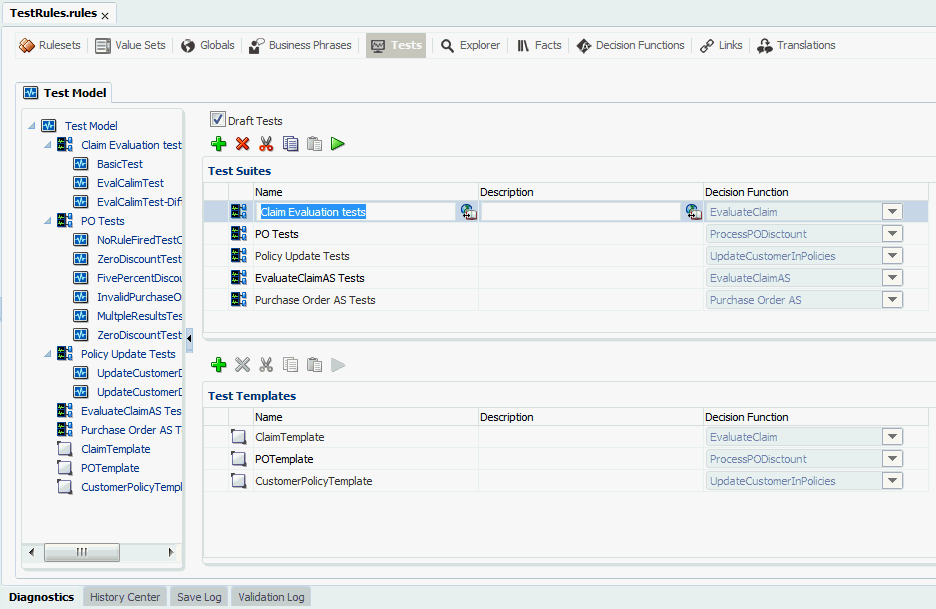
- Version control all rules (Git)
- Unit test each rule (e.g., “Given Gold customer + $150 order → 15% discount applied”)
- Audit log rule executions for compliance
- UI Rule Editor (optional): Let business users manage rules via a secure dashboard
Final Tip
Start small. A rules engine solves real problems—but over-engineering it early can create unnecessary complexity. Begin with 5–10 critical rules, prove value, then scale.
FAQs
Q: When should I build vs. buy a rules engine?
A: Buy if you need advanced features (complex event processing, Rete algorithm). Build if your logic is simple, rule count is low (<50), and you need tight integration.
Q: Can non-developers manage rules in a custom engine?
A: Yes—with a well-designed UI and validation. But always include a “preview/test” mode to prevent live errors.
Q: How do I handle rule conflicts?
A: Use salience (priority numbers), activation groups, or exclusive rule sets. Document conflict resolution strategy upfront.
Note: This guide is intended as a conceptual overview. For a full technical implementation, refer to open-source examples (e.g., JSON Rules Engine on GitHub) or enterprise BRE documentation. A downloadable PDF version of this guide can be generated using your browser’s “Print to PDF” function or via documentation tools like Pandoc or Markdown-to-PDF converters.