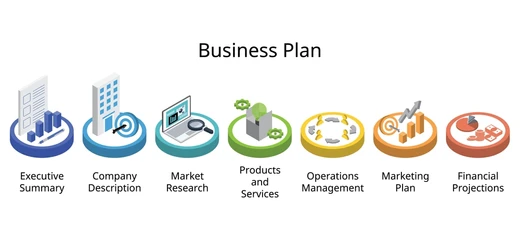

A business strategy isn’t just a lofty vision—it’s your roadmap for making smart decisions, allocating resources wisely, and outmaneuvering competitors. Whether you’re launching a startup or scaling an established company, a strong strategy turns ambition into execution. Here’s how to build one that works (read time: 3–4 minutes).
1. Clarify Your Vision, Mission, and Core Values
Start with the “why.”
- Vision: Where do you want to be in 5–10 years? (e.g., “Become the most trusted brand in sustainable home goods.”)
- Mission: What do you do today to move toward that vision?
- Values: What principles guide your decisions and culture?
These anchor every strategic choice and attract aligned customers and talent.
2. Analyze Your Current Position
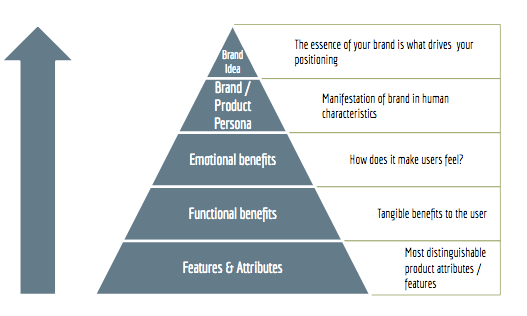
Use tools like SWOT (Strengths, Weaknesses, Opportunities, Threats) and PESTEL (Political, Economic, Social, Technological, Environmental, Legal) to assess internal capabilities and external forces.
Ask:
- What are we uniquely good at?
- Where are competitors vulnerable?
- What market shifts could help or hurt us?
This step ensures your strategy is grounded in reality—not wishful thinking.
3. Define Your Target Market and Competitive Advantage
Who are you serving—and why will they choose you?
Create detailed customer personas and identify unmet needs. Then, articulate your sustainable competitive advantage:
- Lower costs?
- Superior technology?
- Exceptional customer experience?
- Niche expertise?
Your advantage must be hard to copy and valuable to customers.
4. Set Strategic Goals and KPIs
Translate your vision into 3–5 high-level objectives for the next 1–3 years (e.g., “Capture 15% market share in Region X” or “Launch 3 new product lines”).
For each goal, define Key Performance Indicators (KPIs) like:
- Customer acquisition cost (CAC)
- Net promoter score (NPS)
- Gross margin %
- Monthly recurring revenue (MRR)
Track these monthly to stay on course.
5. Develop Action Plans and Allocate Resources
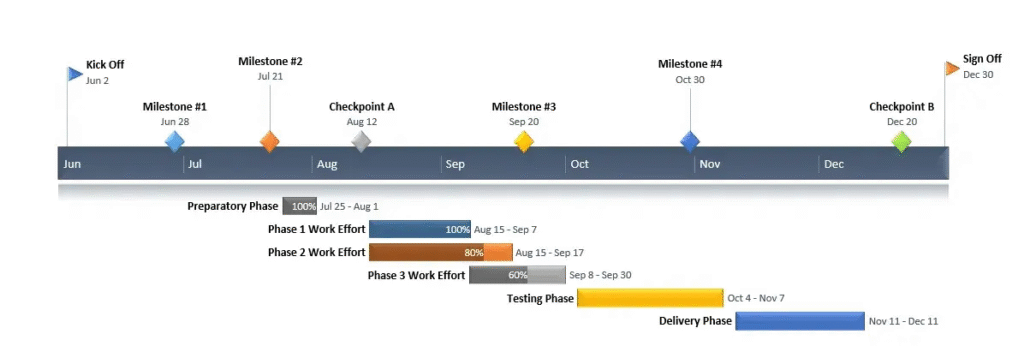
Break each goal into initiatives with clear owners, timelines, and budgets. Prioritize ruthlessly—focus on the 20% of actions that drive 80% of results.
Ensure your team, technology, and capital align with strategic priorities. If your strategy says “go digital,” but your budget funds only print ads, you’re off track.
6. Review, Adapt, and Iterate
Strategy isn’t static. Hold quarterly strategy reviews to:
- Measure progress against KPIs
- Assess market changes
- Pivot if needed
Agility is a strategic advantage in fast-moving markets.
Final Thought
A great business strategy is simple enough to explain in one page but robust enough to guide daily decisions. It’s not about predicting the future—it’s about preparing for it.
FAQs
Q: What’s the difference between a business plan and a business strategy?
A: A business plan outlines what you’ll do and how you’ll operate (often for funding). A business strategy defines why you’ll win and where you’ll focus to achieve long-term advantage.
Q: How often should I update my business strategy?
A: Review it quarterly and revise annually—or immediately after major market shifts (e.g., new regulations, disruptive competitors, or tech breakthroughs).
Q: Can a small business benefit from a formal strategy?
A: Absolutely. Even solopreneurs gain clarity, avoid distractions, and spot opportunities faster with a documented strategy. Keep it lean, but intentional.