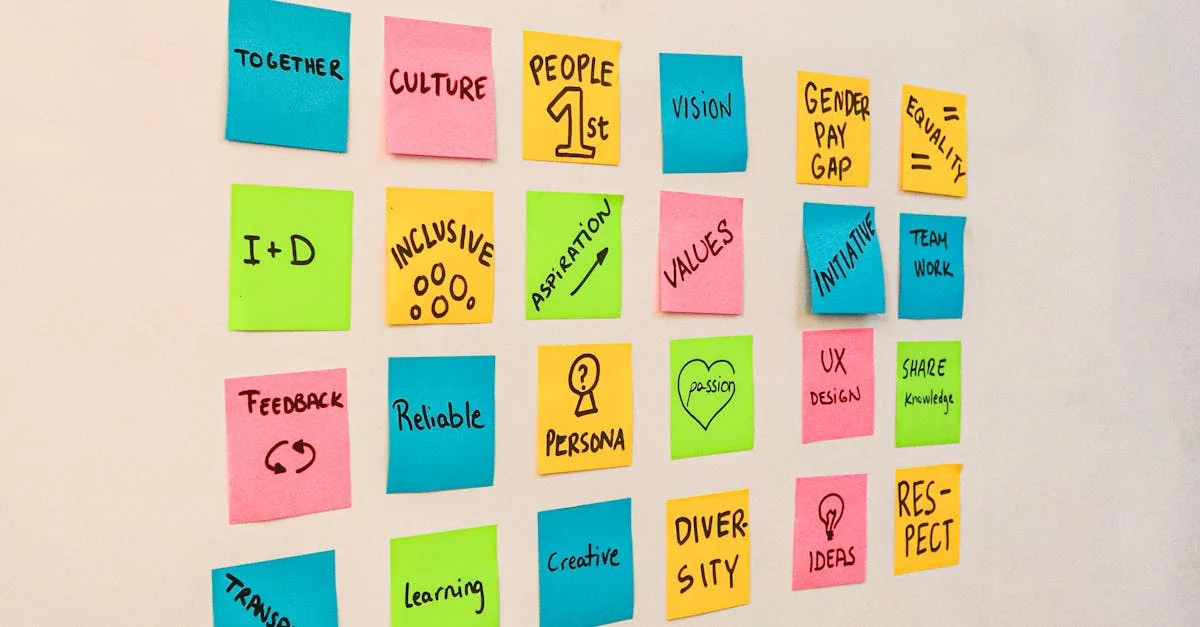

A business system is a repeatable process that turns inputs (time, materials, data) into consistent outputs (products, services, results). Without systems, your business runs on chaos, heroics, and your constant attention. With them, you gain predictability, scalability, and freedom.
The goal? Build a business that works without you micromanaging every detail. Here’s how to design, document, and implement systems that actually stick.
1. Start with Your Core Processes
Focus on the 3–5 activities that drive 80% of your results. Common core systems include:
- Lead generation & sales
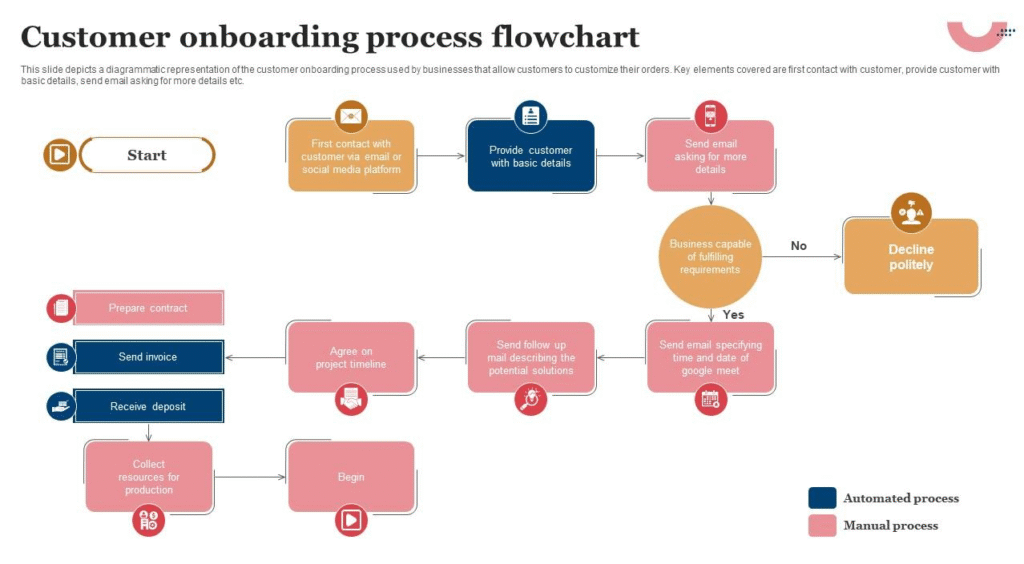
- Client onboarding
- Product/service delivery
- Customer support
- Billing & invoicing
Ask: “If this process broke, would revenue stop?” Start there.
✅ Example: A freelance designer’s core systems = prospecting → proposal → onboarding → design → delivery → invoice.
2. Document Each Step Clearly
Use the “5 Ws” framework for every system:
- Who does it? (Role, not name)
- What exactly do they do? (Step-by-step)
- When does it happen? (Trigger + deadline)
- Where is it done? (Tool/platform)
- Why does it matter? (Impact on customer or business)
Store docs in a shared hub like Notion, Google Drive, or ClickUp—not on your desktop.
3. Standardize with Templates & Checklists
Reduce guesswork and errors with reusable assets:
- Email templates for common replies
- Project checklists (e.g., “Website Launch Checklist”)
- SOPs (Standard Operating Procedures) with screenshots
- Approval workflows (e.g., “Content must be reviewed by Editor before publishing”)
💡 Pro Tip: Record a Loom video walking through complex tasks—sometimes video > text.
4. Automate Repetitive Tasks
Use technology to handle predictable work:
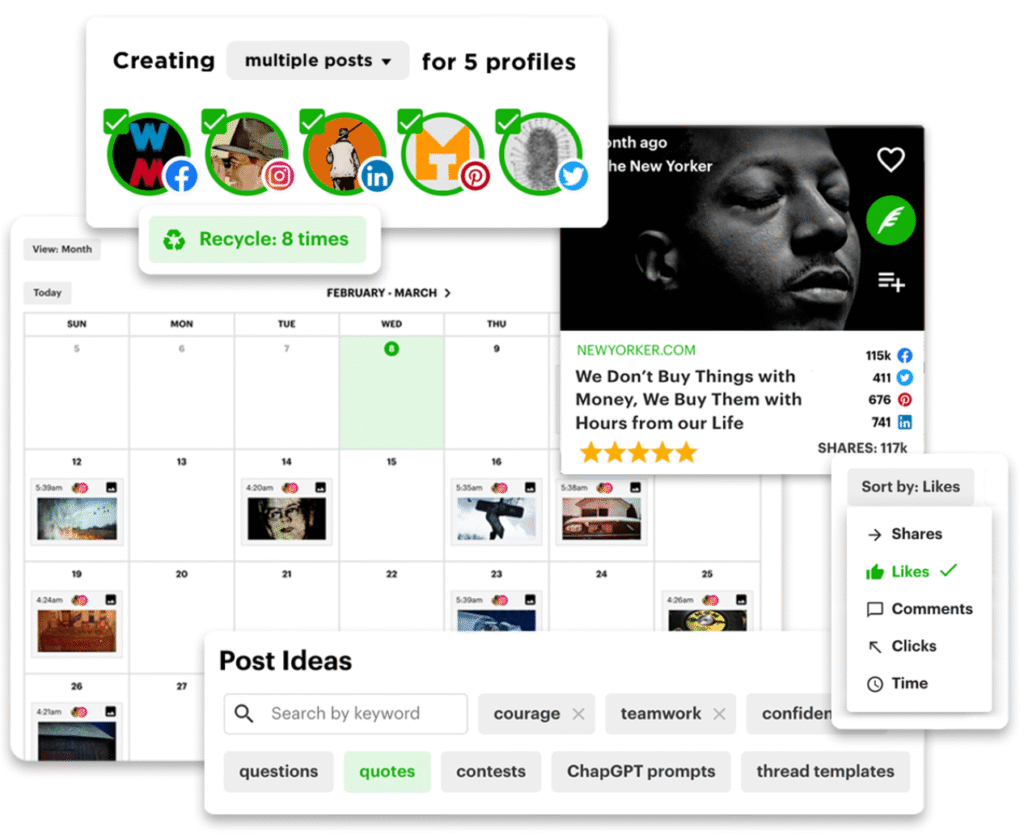
- Email sequences: MailerLite, ConvertKit
- Lead routing: Calendly + Zapier → CRM
- Invoicing: QuickBooks, Wave (auto-send reminders)
- File organization: Google Drive folder rules
Automate only after you’ve documented the manual process—so you automate the right thing.

5. Train, Test, and Refine
- Train your team using the documented system (not verbal instructions)
- Test with a real project—observe where confusion or bottlenecks occur
- Gather feedback: “What step felt unclear? What took longer than expected?”
- Update the system within 48 hours of feedback
Systems aren’t set in stone—they evolve as you learn.
6. Measure What Matters
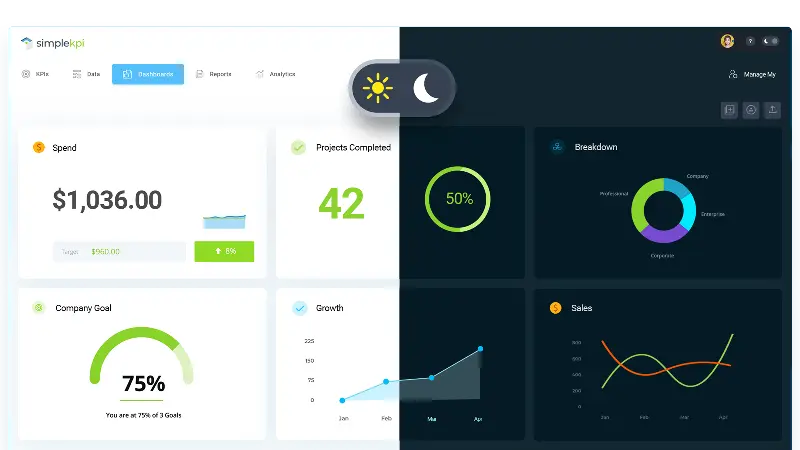
Track key metrics for each system:
- Sales: Lead-to-client conversion rate
- Delivery: Average project completion time
- Support: First-response time, resolution rate
If a metric drifts, revisit the system—not just the person.
7. Build a Culture of Systems Thinking
Encourage your team to:
- Ask: “Is this documented?” before reinventing the wheel
- Suggest improvements (“This step could be faster if we…”)
- Own their part of the system
Your role shifts from doer to designer and optimizer.

FAQs
Q: How detailed should a system be?
A: Detailed enough that a new hire could follow it with minimal supervision. Start simple—add detail only where mistakes happen.
Q: Can solopreneurs benefit from systems?
A: Absolutely. Systems help you work faster, reduce mental load, and scale—even if you’re the only one using them today.
Q: What’s the biggest mistake when building systems?
A: Waiting for “perfect.” Start with a good-enough version, use it, and improve it. A living system beats a perfect document gathering dust.