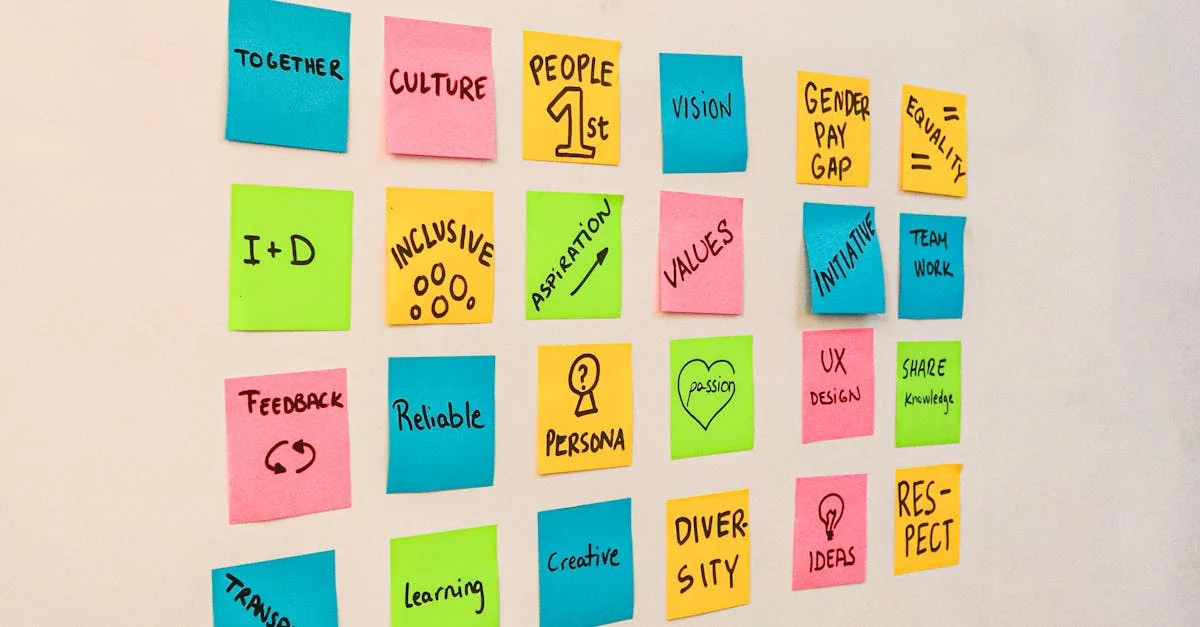

Your business is only as strong as the team behind it. But building a team isn’t just about filling roles—it’s about finding people who share your vision, complement your skills, and thrive in your work environment. Whether you’re hiring your first employee or scaling to 20, this guide walks you through building a high-performing, cohesive business team—strategically and sustainably.
1. Start by Knowing What You Don’t Do Well
Most founders are strong in 1–2 areas (e.g., sales, product, vision) but weak in others (e.g., finance, operations, HR).
- List your core responsibilities
- Identify gaps that block growth (e.g., “I can’t scale marketing alone” or “Bookkeeping is taking 10 hrs/week”)
Hire to fill strategic gaps—not just to “get help.”
✅ Example: A freelance designer launching a studio might hire a project manager before another designer—so they can focus on creative work, not client follow-ups.

2. Define Roles Clearly (Even for Small Teams)
Avoid vague titles like “Marketing Guy.” Instead, write a simple role charter with:
- Primary responsibility (“Own all client onboarding”)
- Key outcomes (“Reduce onboarding time from 7 to 3 days”)
- Reporting structure (even if it’s just to you)
Clarity prevents overlap, confusion, and burnout.
3. Hire for Values + Skills (in That Order)
Skills can be taught—attitude and alignment can’t.
- Define 3–5 core values (e.g., “Ownership,” “Customer First,” “Radical Candor”)
- Ask behavioral questions: “Tell me about a time you took initiative without being asked.”
- Involve your team in interviews (even 1–2 people)—culture fit is a group read.
💡 Pro tip: Trial projects (paid!) reveal more than resumes. Ask a marketing candidate to draft a campaign brief, or a developer to debug a snippet.

4. Start Small: Contractors Before Full-Time
Before hiring full-time employees:
- Use freelancers for specialized tasks (e.g., bookkeeping, logo design)
- Try part-time or fractional roles (e.g., 10 hrs/week CFO)
- Leverage virtual assistants for admin
This keeps costs low while you validate need. Convert top performers to full-time when workload justifies it.
5. Build Culture Intentionally (Not Accidentally)
Culture isn’t ping-pong tables—it’s how work gets done. Establish early:
- Communication norms (Slack vs. email? Async or meetings?)
- Decision-making process (“Who decides what?”)
- Feedback rhythm (weekly check-ins? Monthly reviews?)
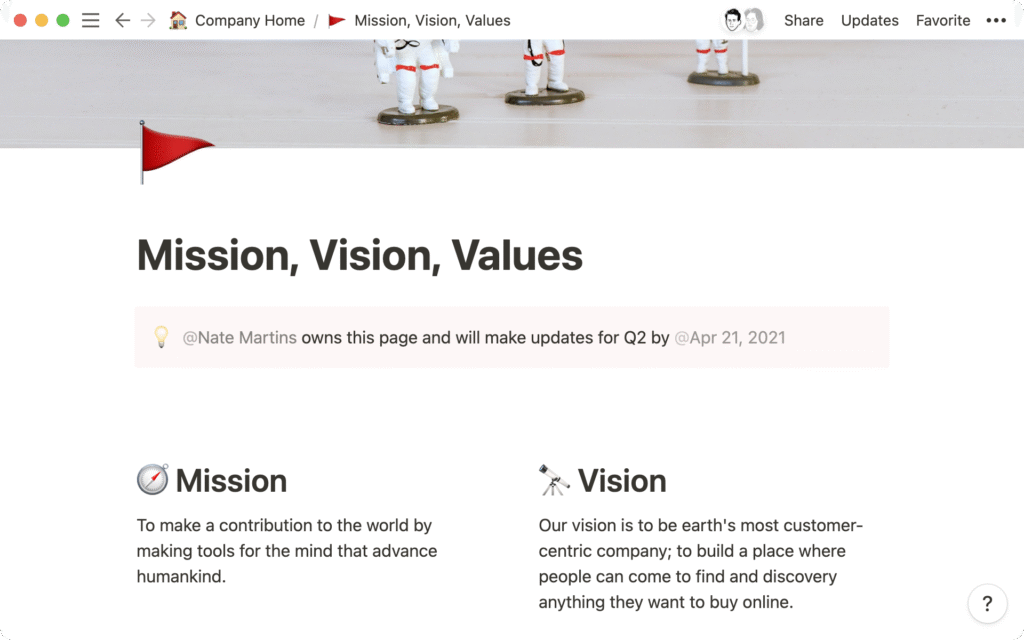
Document these in a simple team handbook (use Notion or Google Docs).
6. Invest in Onboarding & Growth
A great hire can fail without support. Your onboarding should include:
- Day 1: Welcome kit, team intro, clear 30-day goals
- Week 1: Shadowing, tool access, customer exposure
- Month 1: Feedback session, role refinement
Also, ask: “Where do you want to grow?” Support development—even if it’s beyond their current role.
7. Lead with Trust, Not Control
Micromanaging kills motivation. Instead:
- Set clear outcomes, not tasks
- Give autonomy on how to achieve them
- Recognize effort publicly, coach privately
Great teams thrive on trust, psychological safety, and shared purpose—not surveillance.

FAQs
Q: When should I hire my first employee?
A: When a task is recurring, revenue-critical, and outside your zone of genius—and you’ve validated demand (e.g., consistent client pipeline or sales).
Q: How do I afford to hire if I’m bootstrapped?
A: Start with part-time, contract, or revenue-share roles. Many early hires accept slightly lower pay for equity, flexibility, or mission alignment.
Q: What if a hire isn’t working out?
A: Address it early. Have honest conversations, offer support—but if no improvement, part ways quickly. A bad hire costs more in lost time, morale, and rework than the hiring process itself.