

Most businesses fail within a decade. But a rare few—like Coca-Cola (1886), Bosch (1886), or Patagonia (1973)—thrive for generations. They don’t just survive; they adapt, inspire, and remain relevant through wars, recessions, and technological revolutions. Building a 100-year business isn’t about predicting the future—it’s about creating a foundation so strong, it can weather any storm. Here’s how (read time: 3–4 minutes).
1. Anchor in a Timeless Purpose—Not Just Profit
Century-old companies exist to solve a human need, not just make money.
- Patagonia: “We’re in business to save our home planet.”
- Johnson & Johnson: “Put the needs and well-being of the people we serve first.”
Ask: What problem will still matter in 50 years? Build your mission around that. Profit becomes the fuel—not the destination.
2. Embed Core Values That Never Change
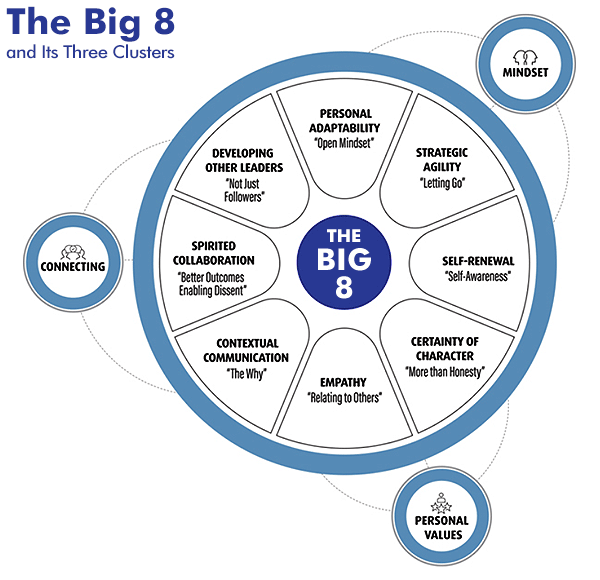
While strategies evolve, values stay constant. Define 3–5 non-negotiable principles that guide every decision:
- Integrity
- Customer respect
- Long-term thinking
- Humility
These become your cultural DNA—passed down through hiring, leadership, and daily actions.
3. Design for Adaptability, Not Perfection
The biggest killer of legacy businesses? Inflexibility. Build systems that encourage:
- Continuous learning: Regularly scan for trends, tech shifts, and customer behavior changes
- Controlled experimentation: Test new models without betting the whole company
- Decentralized decision-making: Empower teams to respond fast to local needs
As Charles Darwin noted: “It is not the strongest that survives, but the most adaptable.”

4. Prioritize Stewardship Over Ownership
Think like a caretaker, not just an owner. Ask:
- “How will this decision impact the company in 20 years?”
- “Am I preserving or depleting our reputation, talent, and resources?”
Avoid short-term greed:
- Don’t over-leverage with debt
- Reinvest profits wisely
- Protect your brand like family heirloom

5. Build Deep, Trust-Based Relationships
Longevity is earned through loyalty loops:
- Customers: Deliver consistent value; listen deeply; under-promise, over-deliver
- Employees: Treat them as partners; invest in growth; share profits
- Community: Be a good neighbor—support local causes, reduce harm, create jobs
Companies that are needed—not just liked—endure.
Final Thought
A 100-year business isn’t built for you—it’s built through you. Your role isn’t to control the future, but to plant trees whose shade you’ll never sit under.
FAQs
Q: Can a tech startup become a 100-year company?
A: Yes—if it focuses on solving a timeless human need (e.g., communication, trust, efficiency) rather than chasing fleeting tech trends. IBM (1911) and Siemens (1847) prove it’s possible.
Q: What’s the #1 mistake founders make when thinking long-term?
A: Confusing growth with health. A company can grow fast and die young. True longevity comes from resilience, culture, and cash flow—not just scale.
Q: Do I need to plan for succession early?
A: Absolutely. Start thinking about leadership continuity from Day 1—even if you’re a solo founder. Document processes, mentor potential leaders, and build a board or advisory group you trust.