Building a business to sell isn’t about cutting corners—it’s about intentional design. Whether you plan to exit in 3 years or 10, the most valuable companies share key traits: predictable revenue, strong systems, and minimal owner dependency. The good news? You can bake these qualities in from day one. Here’s how to build a business that doesn’t just work—but sells (read time: 3–4 minutes).
1. Start with Scalability and Transferability in Mind
Avoid “lifestyle businesses” that rely entirely on you. Instead, ask:
- Can this run without me for 30+ days?
- Are processes documented and repeatable?
- Could someone else deliver the same quality?
Focus on systems over sweat. A business that’s easy to operate is easy to sell.
2. Build Recurring Revenue and Diversify Clients
Buyers love predictability. Prioritize:
- Recurring revenue models: Subscriptions, retainers, or service contracts
- Client diversification: No single customer should represent >10–15% of revenue
- Long-term contracts: Signed agreements add security and valuation
Example: A marketing agency with 20 clients on $1,500/month retainers is far more valuable than one with 5 project-based clients.
3. Document Everything and Reduce Owner Dependency
Create an operations manual that covers:
- Sales and onboarding processes
- Customer service protocols
- Key vendor relationships
- Financial workflows
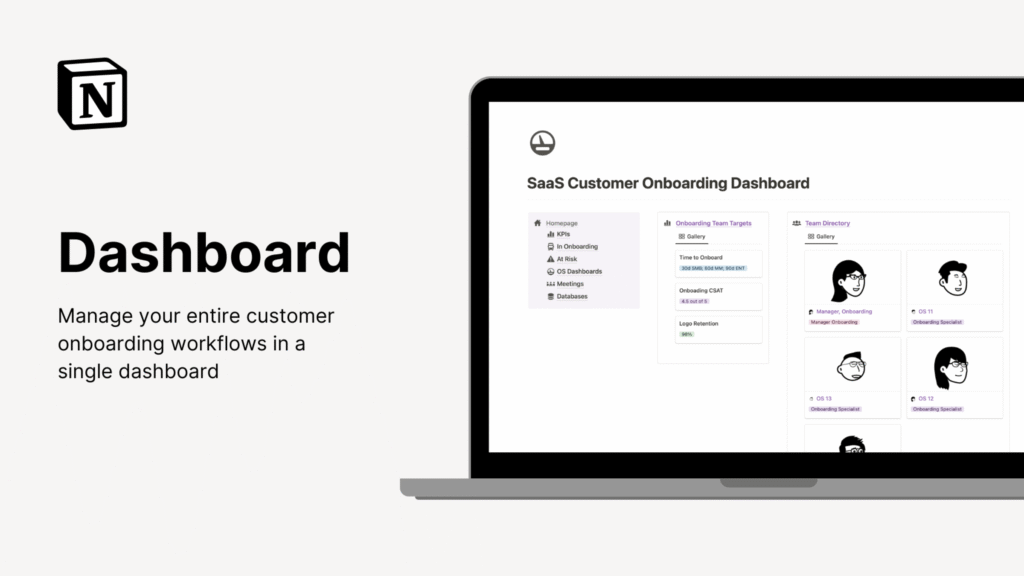
Use tools like Notion, Google Drive, or Trainual to keep it updated. The less the business needs you, the more valuable it becomes.
4. Maintain Clean Financials and Strong Margins
From day one:
- Use accounting software (QuickBooks, Xero)
- Separate personal and business finances
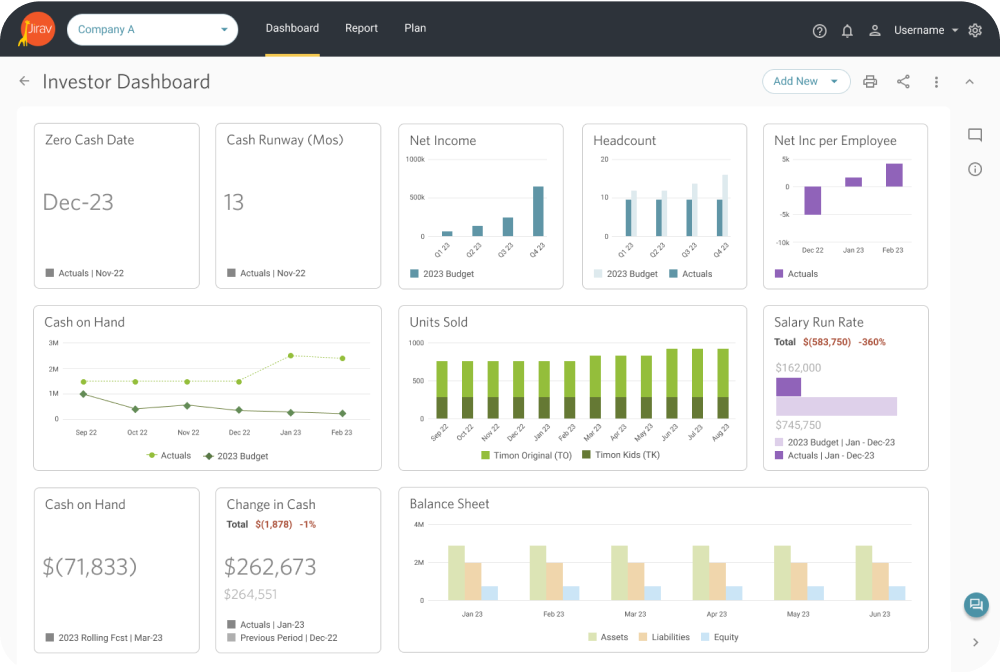
- Track key metrics: gross margin, EBITDA, customer acquisition cost (CAC), and lifetime value (LTV)
- Aim for healthy profit margins (20%+ EBITDA is attractive to buyers)
Buyers scrutinize 3+ years of financials—make yours audit-ready.
5. Protect and Grow Your Assets
- Intellectual property: Trademark your name/logo; patent unique tech if applicable
- Digital assets: Own your domain, social handles, and email lists
- Team: Hire key roles (sales, ops) early to reduce your operational load
- Reputation: Maintain 4.8+ star reviews and strong online presence
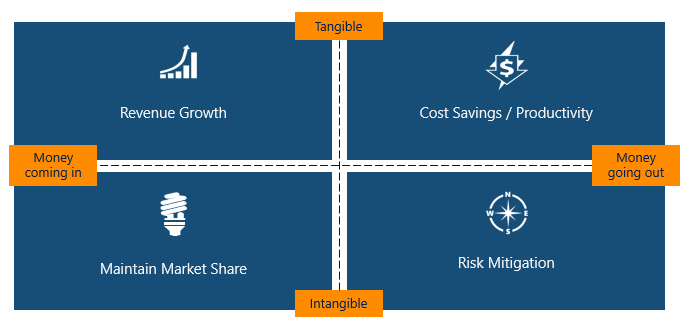
These intangible assets often drive 70%+ of a business’s sale price.
Final Tip
Think like a buyer from Day 1. Every decision—hiring, pricing, tech stack—should answer: “Will this make my business easier to run, more profitable, and more attractive to acquire?”
FAQs
Q: How early should I start preparing to sell?
A: Ideally, from the beginning. But if you’re already running a business, start now—most buyers want to see 2–3 years of consistent, documented performance.
Q: What’s the #1 reason businesses fail to sell?
A: Owner dependency. If the business collapses when the founder leaves, buyers won’t touch it. Build to operate without you.
Q: Do I need millions in revenue to sell?
A: No. “Micro-acquisitions” (businesses earning $50K–$500K/year in profit) are booming. Platforms like MicroAcquire and Quiet Light specialize in these deals—especially for SaaS, e-commerce, and digital services.