

Starting a gym business goes beyond buying treadmills and hanging mirrors. Today’s fitness consumers seek community, results, and personalized experiences. Whether you’re opening a boutique studio (yoga, HIIT, CrossFit) or a full-service gym, success hinges on strategy, service, and sustainability. Here’s how to build a gym that thrives—not just survives.
1. Define Your Niche and Target Market
“Gym for everyone” is a recipe for invisibility. Stand out by specializing:
- Boutique Studio: Barre, cycling, strength training, or recovery (e.g., cryotherapy + stretching)
- Demographic Focus: Seniors, busy moms, athletes, or corporate wellness
- Experience-Driven: 24/7 access, app-based coaching, or luxury amenities
Research local competition. Is there demand for functional training but no dedicated space? That’s your opportunity.

2. Create a Solid Business Plan
Your plan should cover:
- Startup costs (lease, equipment, insurance, permits)
- Revenue streams (memberships, personal training, retail, app subscriptions)
- Pricing strategy (monthly vs. annual, tiered plans, intro offers)
- Break-even analysis (most gyms need 150–300 members to turn a profit)
Don’t skip liability insurance and zoning compliance—especially for group classes.
3. Design for Function, Flow, and Feel
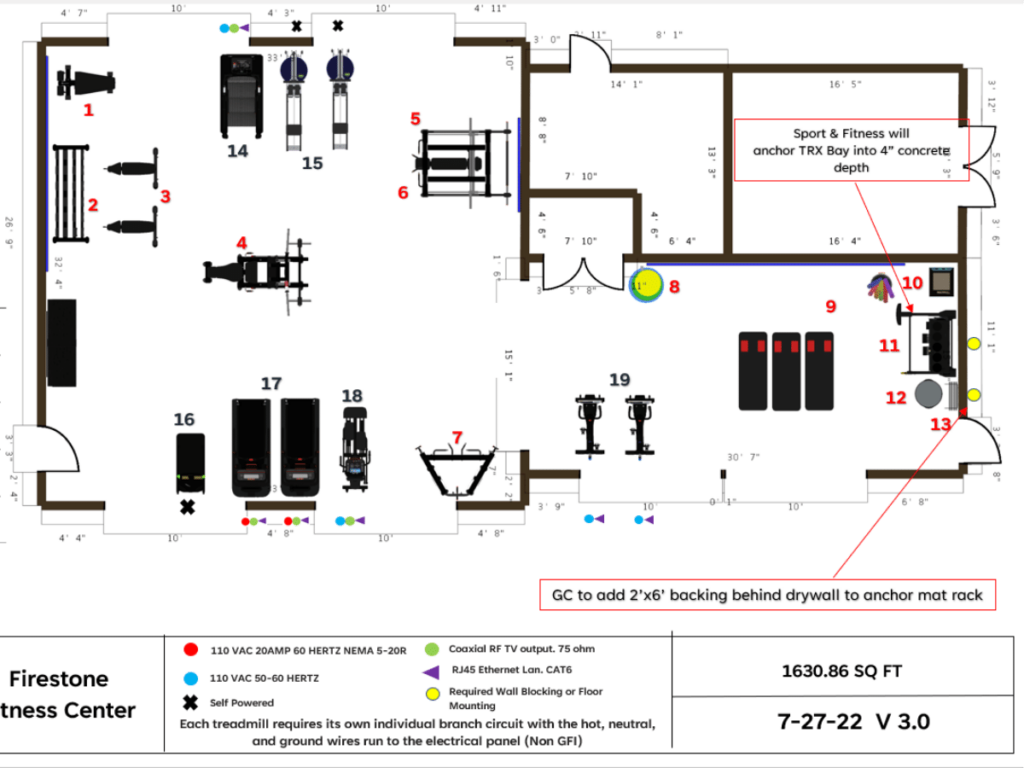
Layout impacts retention. Prioritize:
- Open floor plans to avoid bottlenecks
- Zoned areas (cardio, free weights, functional zone, stretching)
- Clean, ventilated spaces with quality flooring and lighting
- Branded touches: logo on towels, custom water bottles, motivational quotes
For studios, invest in sound systems and mirrors—your ambiance is part of the product.
4. Build Community, Not Just Membership
People join gyms for goals—but stay for connection.
- Host free intro classes or “bring a friend” weeks
- Create challenges (30-day abs, nutrition resets) with leaderboards
- Train staff to know members by name
- Use a gym management app (like Mindbody or Glofox) for bookings, feedback, and engagement
Your best marketers? Happy members who post selfies in your space.

5. Retain, Don’t Just Acquire
Acquiring a new member costs 5x more than retaining one. Reduce churn by:
- Offering onboarding sessions for new sign-ups
- Checking in weekly via text or app
- Celebrating milestones (first pull-up, 10 classes)
- Surveying why members leave—then fixing it
Aim for a monthly churn rate under 5%.
FAQs
Q: How much does it cost to open a gym?
A: A small boutique studio can start at $10K–$50K (used equipment, shared space). Full-service gyms often require $100K–$500K+ for lease, build-out, and branding.
Q: Do I need fitness certifications to own a gym?
A: Not to own—but your trainers must be certified (NASM, ACE, etc.). As the owner, understanding programming builds credibility.
Q: Can I start a gym with no experience?
A: Yes—with the right team. Partner with experienced trainers, hire a gym consultant, or start as a franchise (like Orangetheory or F45) for built-in systems.
Building a gym business is about transforming lives—not just square footage. Focus on real results, authentic relationships, and operational excellence, and your gym will become more than a place to sweat—it’ll be a destination. Ready to build? Your future members are waiting.