
A laundromat is one of the most reliable small businesses you can own. It’s recession-resistant, requires minimal staffing, and generates recurring revenue—people will always need clean clothes. Plus, with modern cardless payment systems and energy-efficient machines, today’s laundromats are cleaner, smarter, and more profitable than ever.
Whether you’re an investor seeking passive income or a local entrepreneur, here’s how to build a successful laundromat business from the ground up.
1. Research & Validate Your Location
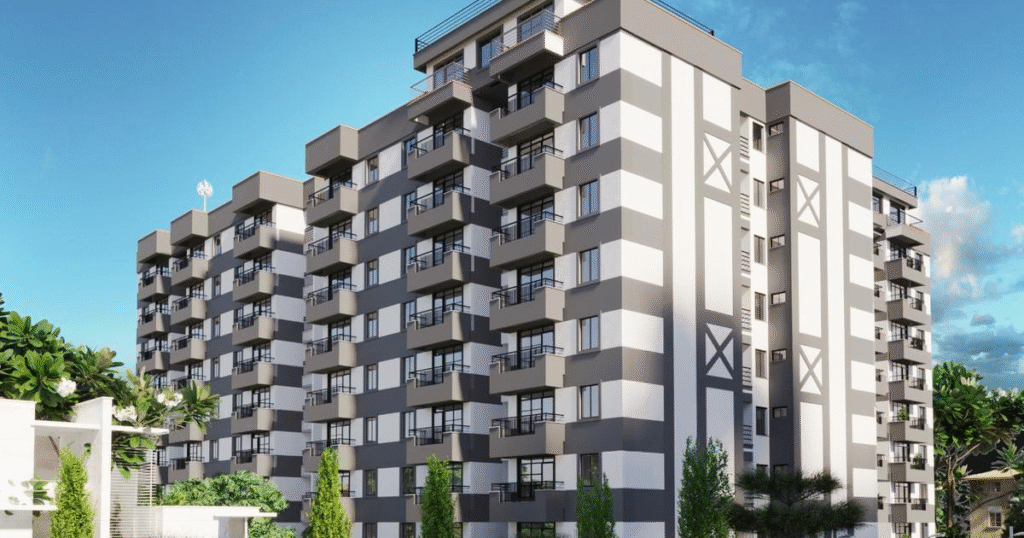
Location is everything in the laundromat business. Ideal spots have:
- High population density (apartment complexes, colleges, urban neighborhoods)
- Limited in-unit laundry (older buildings = more customers)
- Low competition (ideally no laundromat within 1–2 miles)
- Good visibility and parking
Use tools like Google Maps, Census data, and drive-by traffic counts to assess footfall. Talk to local property managers—they’ll tell you if tenants complain about laundry access.
2. Create a Lean Business Plan
Your plan should cover:
- Startup costs ($150K–$350K for a 1,500–2,500 sq ft space)
- Revenue projections (avg. $5K–$15K/month depending on size/location)
- Machine mix: 20–30 washers (15–50 lb capacity) + 30–40 dryers
- Pricing strategy: $2–$6 per load (scale by machine size)
- Funding: SBA loans, equipment financing, or private investors
Include a break-even analysis: Most laundromats break even in 2–4 years.
3. Secure Funding & Legal Setup
- Business structure: Form an LLC for liability protection
- EIN: Get one from the IRS (free)
- Licenses: Business license, sales tax permit, and possibly a water/sewer permit
- Financing: SBA 7(a) loans cover up to 90% of startup costs for qualified buyers
💡 Tip: Many equipment suppliers (like Speed Queen or Huebsch) offer turnkey financing packages that include machines, installation, and payment systems.

4. Find & Build Out the Right Space
Look for:
- 1,500–3,000 sq ft of retail space
- High ceilings (for dryer venting)
- 3-phase electrical and heavy water/gas lines (critical for commercial machines)
- ADA compliance (ramps, wide aisles, accessible machines)
Renovation costs: $50–$100/sq ft. Prioritize:
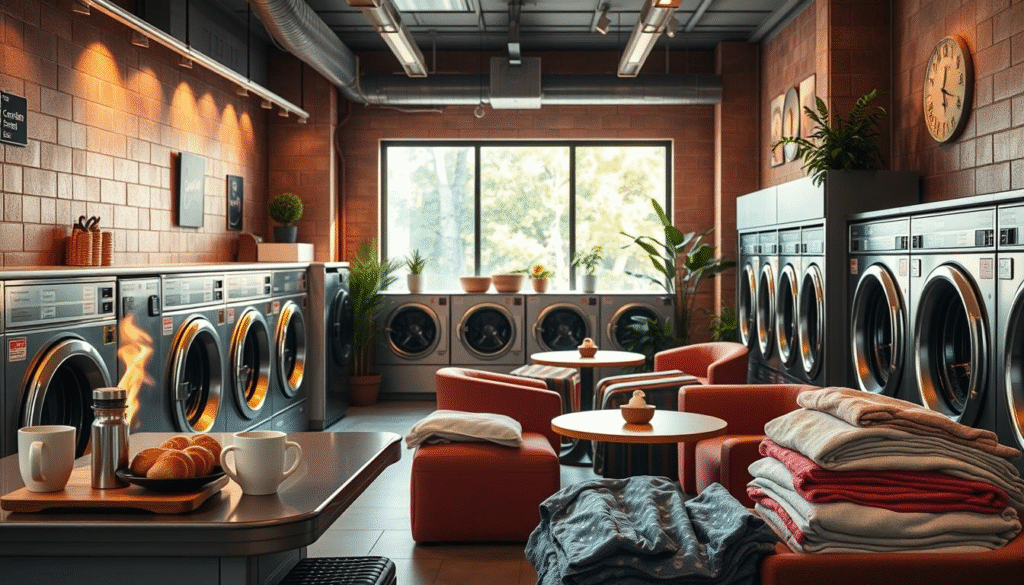
- Bright LED lighting
- Security cameras + panic buttons
- Comfortable seating, Wi-Fi, and vending machines
- Modern cardless payment system (e.g., PayRange, LaundryPay)
5. Choose Commercial-Grade Equipment
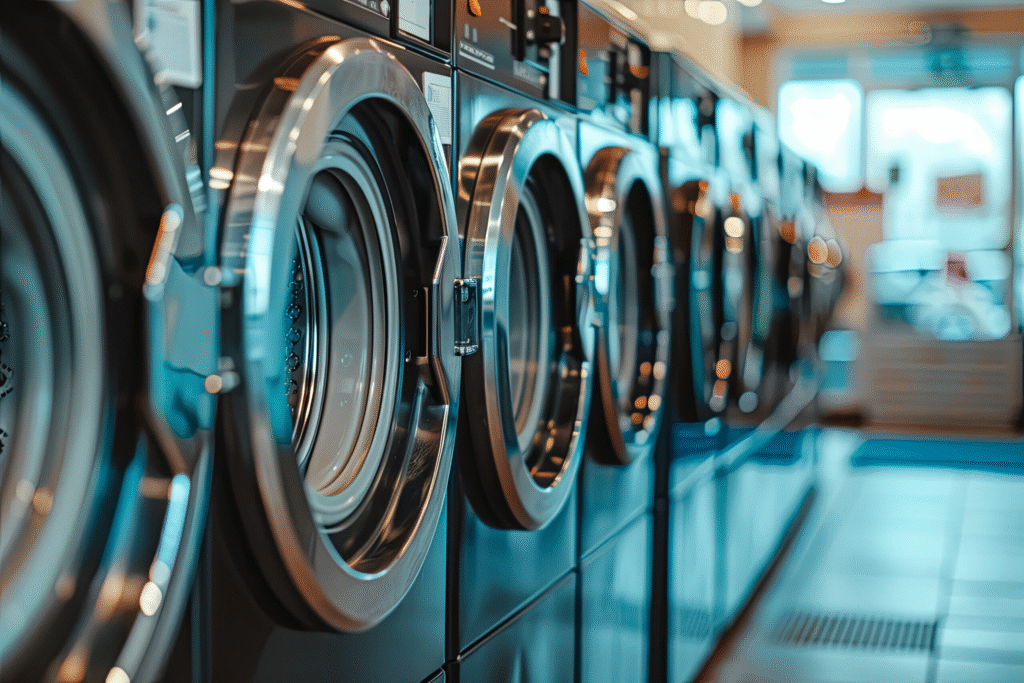
Don’t cut corners here. Invest in energy-efficient, high-capacity machines:
- Washers: 20–30 units (mix of 20 lb, 30 lb, 50 lb)
- Dryers: 30–40 units (match washer output)
- Brands: Speed Queen, Huebsch, or Whirlpool Commercial
Look for 10-year warranties and local service support. Energy Star models reduce utility bills by 30–50%.
6. Set Up Smart Operations
- Payment: Go cashless—use app-based or tap-to-pay systems
- Security: Install cameras, good lighting, and emergency call buttons
- Maintenance: Schedule weekly machine checks and deep cleaning
- Extras: Offer folding services, detergent vending, or pickup/delivery (via partnership)
Use a laundromat management app (like Laundrapp or Dropoff) to monitor usage, revenue, and machine alerts remotely.
7. Market Locally & Build Loyalty
- Grand opening: Free wash day + local radio ads
- Apartment partnerships: Offer flyers and referral discounts to leasing offices
- Loyalty program: “10th wash free” via app
- Google Business Profile: Keep hours updated, post photos, respond to reviews
Most customers come from within 1–2 miles—so hyperlocal marketing wins.
FAQs
Q: How much does it cost to open a laundromat?
A: $150,000–$350,000 for a turnkey 2,000 sq ft location. Smaller or used-equipment models can start at $80K–$120K.
Q: Is a laundromat truly passive income?
A: It’s semi-passive. With modern systems, you’ll spend 5–10 hours/week on oversight, maintenance coordination, and cash flow—ideal for investors or side-business owners.
Q: Do I need prior experience?
A: No. Many successful owners come from unrelated fields. Focus on location, equipment reliability, and cleanliness—the rest is operational discipline.