You don’t need a tech team or big budget to use AI. For small businesses—from local shops to online solopreneurs—AI is a force multiplier that levels the playing field. It automates tedious tasks, personalizes customer experiences, and uncovers insights that used to require expensive consultants. The best part? Many tools start free or under $20/month. Here’s how to use AI in your small business—smartly and affordably.
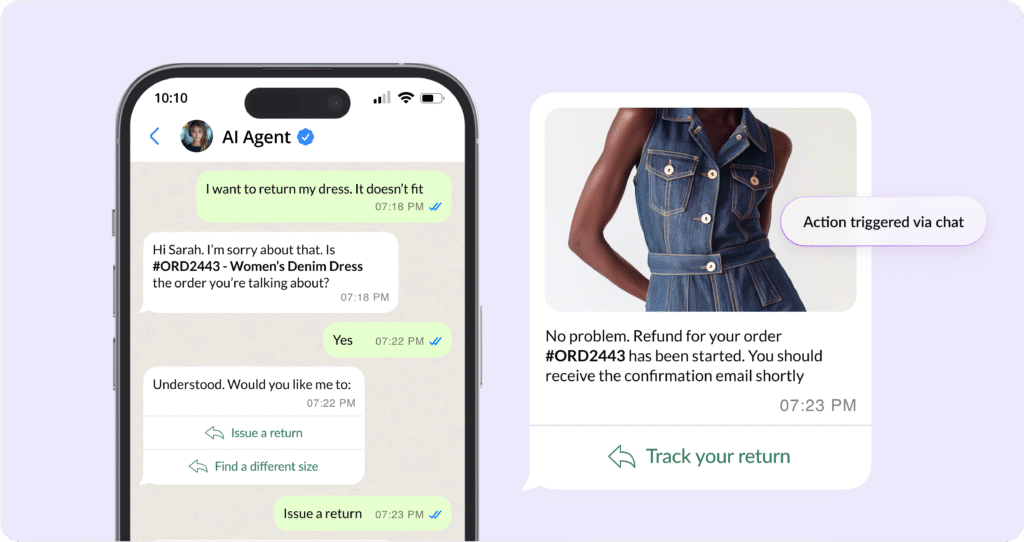
1. Automate Customer Service with AI Chatbots
Answer questions 24/7—even while you sleep:
- Website chat: Use Tidio, ManyChat, or Landbot to handle FAQs (“Do you offer gift wrapping?”).
- Social/WhatsApp: Connect bots to Instagram DMs or WhatsApp to book appointments or share menus.
- Email triage: Tools like Gmail + AI (Smart Compose) or Help Scout auto-sort and draft replies.
Result: Faster responses, happier customers, and 10+ hours/week saved.
2. Create Marketing Content in Minutes
No more staring at a blank screen:
- Social posts: Canva Magic Write or Buffer AI turns a product photo into captions for Instagram, Facebook, and LinkedIn.
- Email newsletters: Mailchimp AI or Beehiiv drafts engaging updates based on your past content.
- Ads & product descriptions: Jasper or Copy.ai generates compelling copy in your brand voice—no writer needed.
💡 Pro tip: Always edit AI output to add personality—your unique voice is your superpower.
3. Streamline Admin & Bookkeeping
Reclaim hours lost to paperwork:
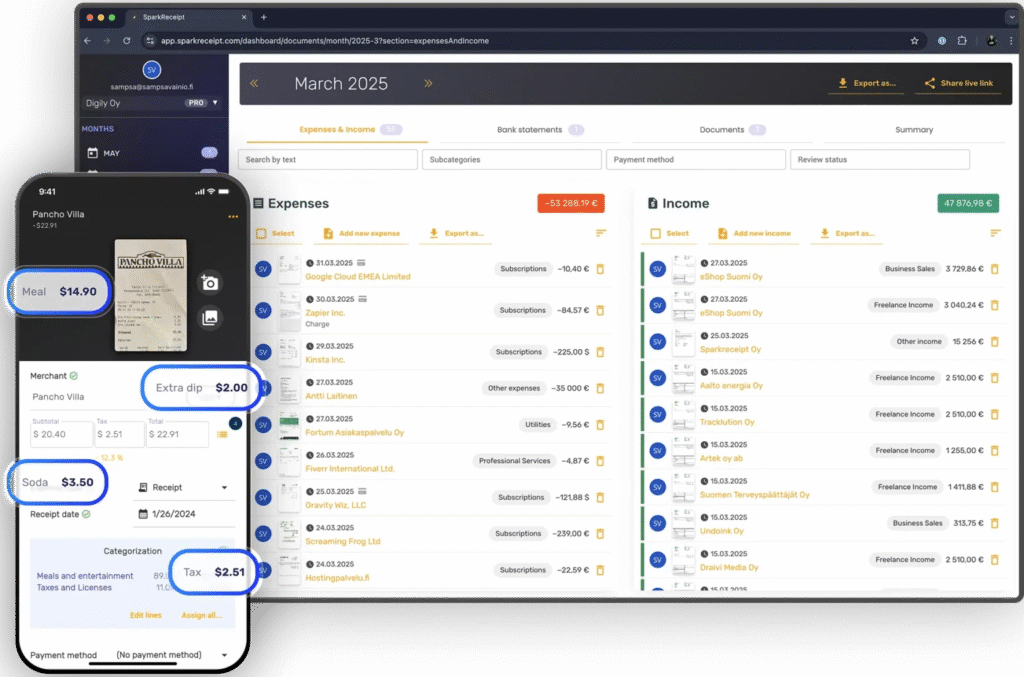
- Expense tracking: Receipt Bank or QuickBooks AI scans receipts and categorizes spending.
- Invoicing: Wave Apps or Zoho Invoice auto-sends reminders and predicts late payments.
- Scheduling: Calendly or Microsoft Copilot finds meeting times and sends calendar invites.
This reduces errors and frees you to focus on growth.
4. Make Smarter Decisions with AI Insights
Turn data into action—even without a data team:
- Sales trends: Square or Shopify dashboards use AI to show your best-selling products and peak hours.
- Customer feedback: Paste reviews into Google Docs + AI or MonkeyLearn to spot common praises or complaints.
- Inventory: Tools like Cin7 Core predict when to reorder based on sales history.
Example:
A bakery uses AI to notice “cupcake sales spike on rainy days” → runs targeted Instagram ads when rain is forecasted.
5. Personalize the Customer Experience
Big brands do it—you can too:
- Email personalization: Klaviyo or Mailchimp uses AI to send birthday discounts or “we miss you” offers.
- Product recommendations: Shopify apps like Nosto suggest items based on browsing behavior.
- Loyalty programs: AI identifies your top customers and suggests rewards that keep them coming back.
This builds loyalty without manual effort.
FAQs
Q: Do I need technical skills to use AI?
A: No. Most small business AI tools are no-code, with guided setups and templates. If you can use email or social media, you can use these tools.
Q: Are AI tools expensive?
A: Many offer free plans (Canva, Mailchimp, Wave). Paid tools often start at $10–$30/month—less than an hour of freelance work. Focus on ROI: if AI saves 5 hours/week at $25/hour, it pays for itself fast.
Q: Is my customer data safe?
A: Choose reputable tools with clear privacy policies. Avoid pasting sensitive info (like customer IDs) into public AI chatbots. Stick to business-grade tools (e.g., Canva for Business, QuickBooks) for better security.
AI isn’t just for tech giants—it’s your new small business ally. By automating the mundane, amplifying your voice, and revealing hidden opportunities, AI helps you work smarter, serve better, and grow faster. Start with one tool that solves your biggest daily headache. Test it for a week. Measure the time or revenue impact. Then add another.
Your competitive edge isn’t your size—it’s your agility. And with AI, you’ve got a powerful co-pilot in your corner.