
Business strategy is no longer just about vision and gut instinct. In today’s fast-moving markets, AI provides a powerful edge: it uncovers hidden patterns, simulates outcomes, and turns vast data into strategic foresight. From identifying new markets to stress-testing your 5-year plan, AI helps leaders make smarter, faster, and more resilient decisions. Here’s how to integrate AI into your strategic planning—without replacing human judgment.
1. Enhance Environmental Scanning with AI-Powered Intelligence
AI continuously monitors the external landscape so you don’t miss critical shifts:
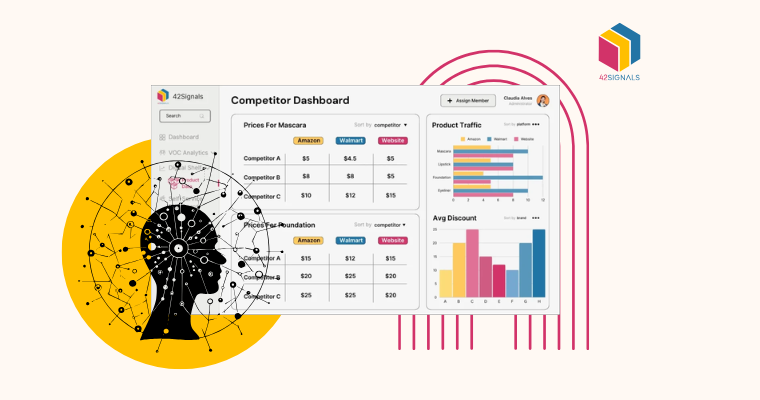
- Competitive intelligence: Tools like Crayon or Kompyte track competitors’ pricing, messaging, hiring, and product launches in real time.
- Market trend detection: AI analyzes news, social media, patents, and earnings calls to spot emerging opportunities (e.g., “Plant-based packaging demand up 200% in EU”).
- Regulatory & risk monitoring: AI scans legislation and global events to flag compliance risks or supply chain threats.
Result: Your strategy stays proactive—not reactive.
2. Simulate Strategic Scenarios with Predictive Modeling
Test your strategy before committing resources:
- Use AI to model “What if?” scenarios:
- “What if we enter the Brazilian market?”
- “What if raw material costs rise 30%?”
- “What if a competitor slashes prices?”
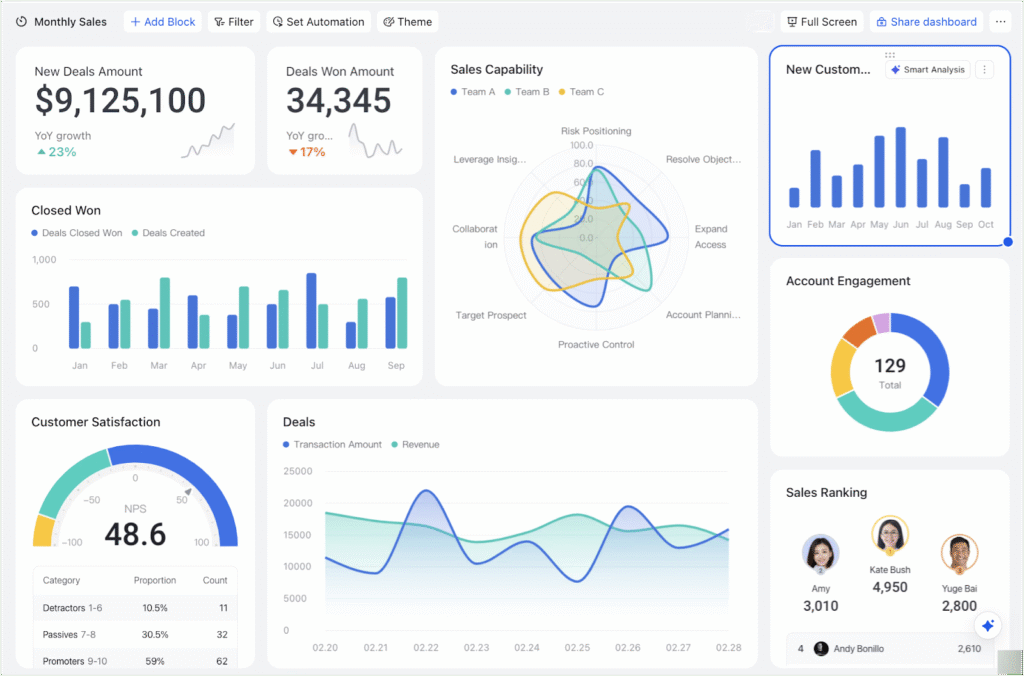
- Platforms like SAP Analytics Cloud, Anaplan, or IBM Planning Analytics run thousands of simulations using historical and external data to show probable outcomes.
This turns strategy from a static plan into a dynamic playbook.
3. Identify Growth Opportunities with AI-Driven Insights
AI reveals white space your team might overlook:
- Customer need gaps: Analyze support tickets, reviews, and forums with NLP (Natural Language Processing) to find unmet demands (e.g., “Users want offline mode for our app”).
- Adjacent market opportunities: AI clusters industries or behaviors to suggest expansions (e.g., “Your fitness app users also engage with nutrition content—launch a meal-planning add-on”).
- Portfolio optimization: AI evaluates which products or services drive the most strategic value—not just revenue.
Example:
AI analysis revealed 68% of high-LTV customers used Feature X—prompting a pivot to make it core, boosting retention by 22%.

4. Align Execution with Real-Time Strategic Feedback
AI ensures your strategy stays on track:
- KPI monitoring: AI dashboards (e.g., in Power BI or Tableau) auto-alert when metrics deviate from strategic targets.
- Sentiment tracking: Monitor employee and customer sentiment to gauge cultural or brand alignment with strategic direction.
- Resource allocation: AI recommends where to invest (or cut) based on real-time performance vs. strategic goals.
This closes the loop between planning and execution.
5. Embed Ethical & Adaptive Guardrails
AI-informed strategy must be responsible and flexible:
- Bias audits: Ensure AI models don’t reinforce blind spots (e.g., overlooking underserved markets).
- Human-in-the-loop: Use AI for input—not final decisions. Leaders must interpret context, values, and long-term vision.
- Continuous learning: Treat your strategy as a living document—update it quarterly using fresh AI insights.
FAQs
Q: Do I need a data science team to use AI in strategy?
A: No. Strategic AI tools (like Crayon, Tableau, Anaplan) are designed for executives and planners. Focus on asking the right questions—not building models.
Q: Can AI replace strategic thinking?
A: Never. AI provides data and options; humans provide purpose, ethics, and judgment. The best strategies blend AI insight with human wisdom.
Q: Where should I start?
A: Pick one strategic question (e.g., “Where should we expand next?”) and use an AI tool to gather intelligence. Even a simple social listening tool (like Brandwatch or Talkwalker) can reveal powerful trends.
AI doesn’t write your business strategy—but it makes it sharper, faster, and more resilient. By turning data into foresight and assumptions into tested hypotheses, AI empowers leaders to navigate uncertainty with confidence. The future belongs to organizations that don’t just plan—but learn, adapt, and act with intelligence. Start small, think big, and let AI be your strategic co-pilot.