


Artificial intelligence is reshaping the way we work, communicate, and create — and one of the most in-demand skills today is prompt engineering .
What Is a Prompt Engineer?
A prompt engineer is someone who designs and optimizes text inputs (called prompts ) to guide AI models like ChatGPT , Gemini , and Claude toward producing accurate, creative, and useful outputs.
While it may sound simple, effective prompt engineering requires a mix of communication skills , critical thinking , and technical understanding .
Common Responsibilities:
- Crafting prompts for AI models to improve performance
- Testing different prompt structures and analyzing outputs
- Collaborating with developers, marketers, or data scientists
- Documenting best practices for prompt use
- Training teams or clients on prompt strategies
Why Become a Prompt Engineer?
Prompt engineering is one of the fastest-growing careers in tech — and here’s why:
- ✅ High demand : Companies are hiring prompt engineers to improve AI productivity
- ✅ Remote-friendly : Most work can be done from anywhere
- ✅ No formal degree needed : You can start with just basic writing and tech skills
- ✅ Lucrative opportunities : Salaries range from $50K–$180K/year (or more as a freelancer)
- ✅ Future-proof skill : AI will only become more integrated across industries
Step-by-Step Guide: How to Become a Prompt Engineer
Step 1: Learn the Basics of AI and LLMs
Start by understanding what Large Language Models (LLMs) are and how they work.
Key Concepts to Understand:
- Tokens and context windows
- Prompt structure and formatting
- Model limitations and biases
- Differences between ChatGPT, Gemini, Claude, and others
Recommended Free Resources:
- OpenAI Learning Center
- Google’s Introduction to Generative AI
- Coursera: ChatGPT Prompt Engineering for Developers (by DeepLearning.AI)
Step 2: Practice Writing Effective Prompts
Practice makes perfect! Use AI tools to experiment with different types of prompts.
Platforms to Try:
- ChatGPT (OpenAI)
- Gemini (Google)
- Claude (Anthropic)
- Jasper / Copy.ai (for marketing prompts)
- MidJourney / DALL·E (for visual prompts)
Start With These Types of Prompts:
- Role-based prompting
- Chain-of-thought reasoning
- Few-shot learning
- Instructional prompting
- Output formatting instructions
Step 3: Build a Prompt Engineering Portfolio
Showcase your best prompts and results in a portfolio — even if you’re just starting out.
What to Include:
- Prompt templates you’ve created
- Before-and-after comparisons of AI responses
- Use cases (e.g., content generation, code writing, customer support)
- Screenshots or samples of AI-generated output
Best Platforms to Showcase Your Work:
- GitHub
- Notion
- Google Docs
- Personal blog or LinkedIn posts
Step 4: Get Certified (Optional but Helpful)
While not required, certifications help validate your skills and make you more competitive.
Top Prompt Engineering Certifications:
| ChatGPT Prompt Engineering for Developers | DeepLearning.AI (Coursera) |
| Google’s Introduction to Prompt Engineering | Google Cloud Skills Boost |
| Generative AI Fundamentals | Google Cloud |
| AI Prompt Engineering Specialization | Udemy |
Step 5: Apply for Jobs or Freelance Projects
Once you’ve built some experience, it’s time to start applying for real-world opportunities.
Where to Find Prompt Engineering Jobs:
| Full-time and contract roles | |
| Indeed | Remote and local jobs |
| RemoteOK | Remote AI and tech jobs |
| Upwork | Freelance prompt writing gigs |
| Fiverr | Short-term AI projects |
| Toptal | High-paying freelance AI roles |
| PromptBase | Marketplace for buying/selling prompts |
Use search terms like:
- “Prompt Engineer”
- “AI Content Writer”
- “Generative AI Specialist”
- “AI Trainer”
Essential Skills to Master
You don’t need to be a coder or AI expert — but these skills will give you a strong foundation:
1. Strong Writing & Communication
Clear, strategic writing is essential to crafting effective prompts.
2. Critical Thinking & Problem Solving
Ability to break down complex tasks and design step-by-step prompts.
3. Understanding of AI Models
Familiarity with how LLMs interpret and respond to prompts.
4. Attention to Detail
Small changes in wording can drastically affect AI outputs.
5. Creativity & Adaptability
Experimenting with formats, tones, and structures to find what works best.
Real-World Prompt Engineering Examples
Here’s how prompt engineers apply their skills in practice:
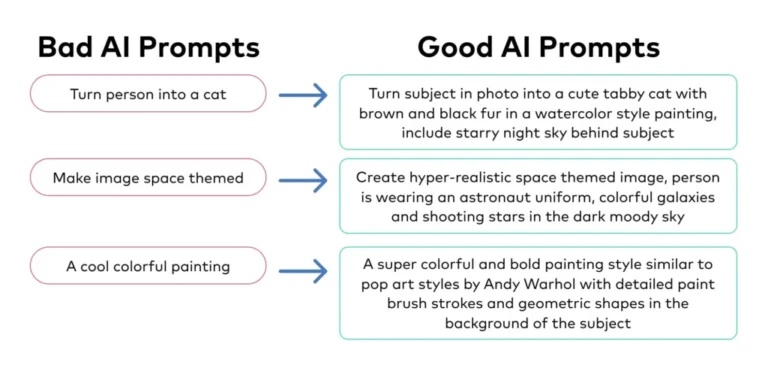
❌ Weak Prompt:
“Write something about climate change.”
✅ Strong Prompt:
“You are a science journalist. Explain the causes and effects of climate change in simple terms and suggest three actionable ways individuals can reduce their carbon footprint.”
This structured approach leads to better, more relevant outputs.
Prompt Engineering Frameworks to Know
Here are some proven frameworks used by top prompt engineers:
| Role-Based Prompting | Tells AI who to act as (teacher, marketer, coder) |
| Chain-of-Thought (CoT) | Guides AI through logical reasoning steps |
| Few-Shot Learning | Gives examples to follow |
| ReAct Prompting | Combines reasoning + action for dynamic outputs |
| Instructional Prompting | Clearly states goal, format, and constraints |
How Much Do Prompt Engineers Make?
Salaries vary based on experience and location, but here’s a general breakdown:
| Entry-Level | $50K – $75K/year |
| Mid-Level | $80K – $120K/year |
| Senior / Expert | $130K+/year |
| Freelance Hourly Rate | $25 – $150/hour |
Freelancers often earn more per hour than salaried employees, especially with niche expertise like technical prompting or business automation.
Frequently Asked Questions (FAQs)
Q1: Can I become a prompt engineer without a degree?
Yes! You don’t need a computer science degree — just strong communication, problem-solving, and curiosity about AI.
Q2: Is prompt engineering a real job?
Absolutely. More companies are hiring dedicated prompt engineers , AI trainers , and AI interaction designers .
Q3: How long does it take to become a prompt engineer?
It can take just a few weeks to learn the basics and start practicing. Building expertise takes consistent effort over time.
Final Thoughts
Becoming a prompt engineer is not only possible — it’s one of the most accessible and lucrative entry points into the AI industry .