

What Is Prompt Engineering in AI?
Prompt engineering in AI is the practice of designing and refining input instructions—called prompts —to guide artificial intelligence models like ChatGPT , Google Gemini , Claude , and others in generating accurate, relevant, and high-quality outputs.
In simple terms, it’s the skill of talking to AI the right way so you get exactly what you need—whether it’s writing content, solving problems, or generating creative ideas.
Think of prompt engineering as a conversation tool between humans and machines. The clearer your message, the smarter the response.
Why Prompt Engineering Matters
With AI becoming more integrated into everyday tasks—from marketing and customer service to coding and education—the ability to communicate effectively with AI has never been more important.
Here’s why prompt engineering matters:
- ✅ Improves Accuracy : Get more precise and on-topic results.
- ⚡ Saves Time : Reduce back-and-forth by getting it right the first time.
- 🧠 Boosts Creativity : Unlock AI’s potential for ideation, storytelling, and problem-solving.
- 💼 Drives Productivity : Enhance workflows across industries with smart automation.
Whether you’re using ChatGPT , Google Gemini , Claude , or any other AI model, your results depend heavily on how well you structure your prompts.
Core Principles of Effective AI Prompts
To get the most out of AI, follow these foundational principles when crafting your prompts:
1. Be Clear and Specific
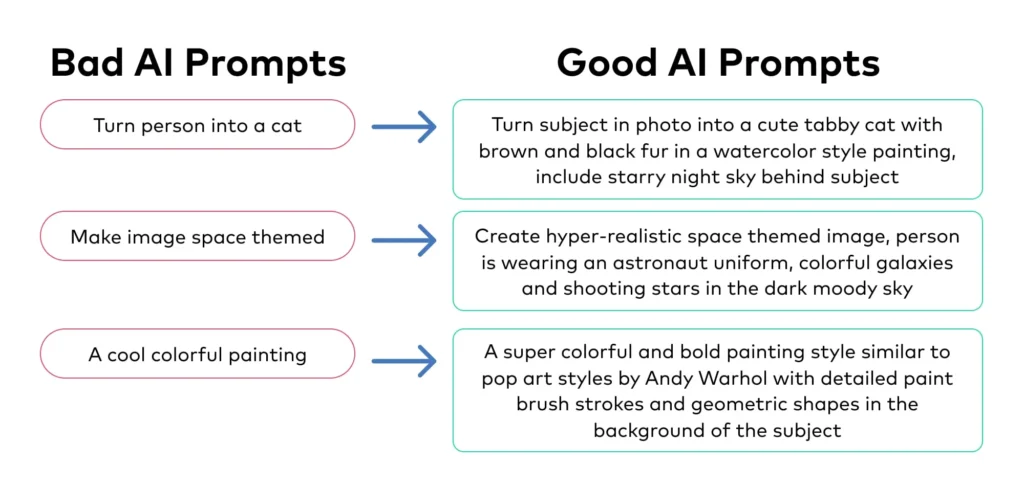
Avoid vague requests. The more specific you are, the better the output.
❌ “Tell me about something interesting.”
✅ “Explain climate change effects on coastal cities in simple terms.”
2. Provide Context
Help the AI understand the situation or audience.
Example:
“You are a nutritionist giving advice to someone with diabetes.”
3. Define the Role or Persona
Assign a role to shape the tone and depth of the response.
Example:
“Act as a tech reviewer comparing iPhone 15 vs Samsung Galaxy S24.”
4. Structure Your Request
Use formatting like lists, bullet points, or numbered steps.
Example:
“List 5 benefits of remote work, each with a short explanation.”
5. Set Constraints
Give boundaries to avoid unwanted results.
Example:
“Summarize this article in under 100 words without technical jargon.”
Advanced Techniques in Prompt Engineering
Once you’ve mastered the basics, try these advanced strategies to level up your AI interactions:
🔄 Iterative Prompting
Refine your prompt based on the AI’s initial response. Ask clarifying questions or request rewrites.
🧩 Chain-of-Thought Prompting
Encourage AI to “think step by step” before giving an answer.
Example:
“Solve this math problem step by step: 2x + 8 = 20”
📋 Few-Shot Learning
Give AI examples of what you expect.
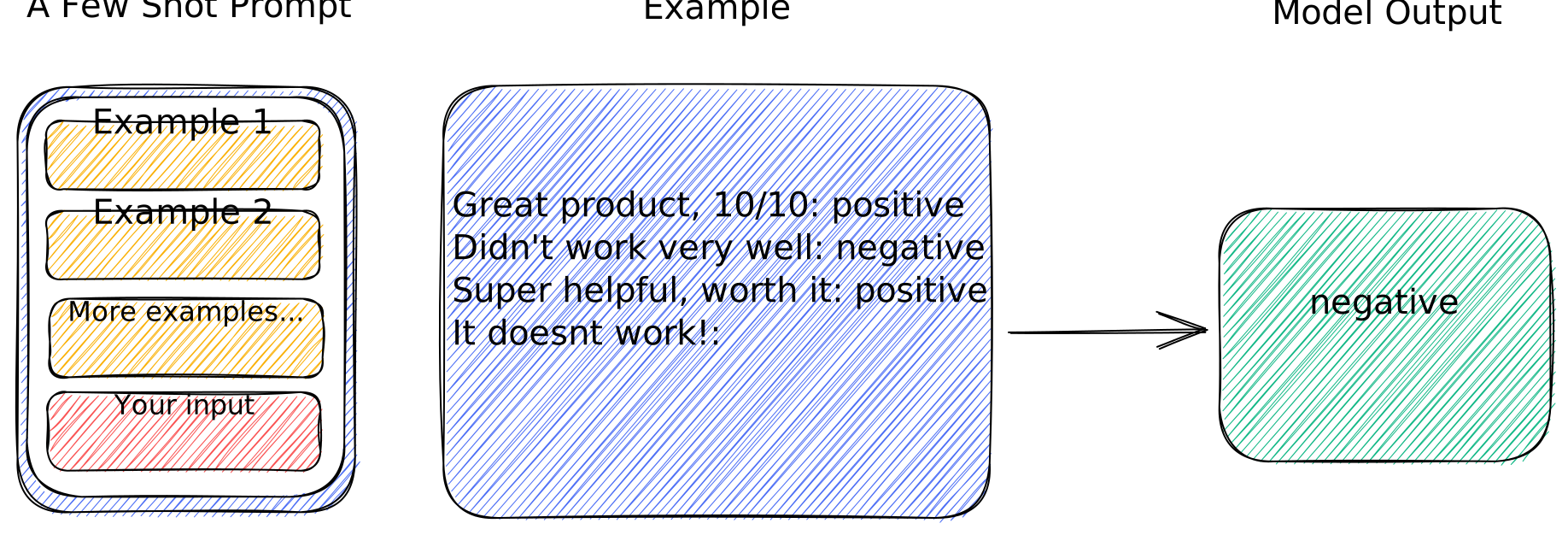
Example:
Input: “Write a product description for a Bluetooth speaker.”
Output Example: “The SoundMax Pro delivers immersive audio…”
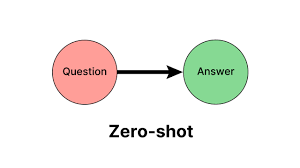
🧠 Zero-Shot Prompting
Ask for a task without providing examples—only works with well-crafted prompts.
🎭 Role-Based Prompting
Assign a persona or expertise level.
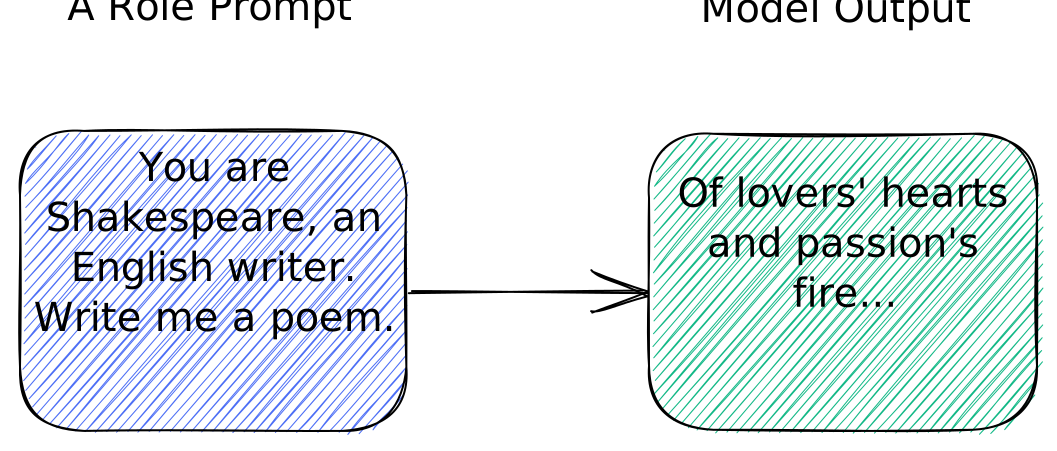
Example:
“You are a certified fitness trainer helping a beginner start weightlifting.”
Frequently Asked Questions (FAQs)
Q1: What is AI prompt engineering used for?
Prompt engineering helps users interact with AI tools like ChatGPT, Gemini, and Claude to generate better results in writing, coding, research, and automation.
Q2: Do I need technical skills for prompt engineering?
No! While some advanced techniques require technical knowledge, most prompt engineering involves strategic thinking and natural language communication.
Q3: Can prompt engineering improve AI-generated content quality?
Yes. Well-designed prompts significantly enhance clarity, relevance, and creativity in AI-generated text, images, and code.
Final Thoughts: Prompt Engineering Is the Future
As AI becomes more powerful and accessible, knowing how to use it effectively will be a key skill across industries.