


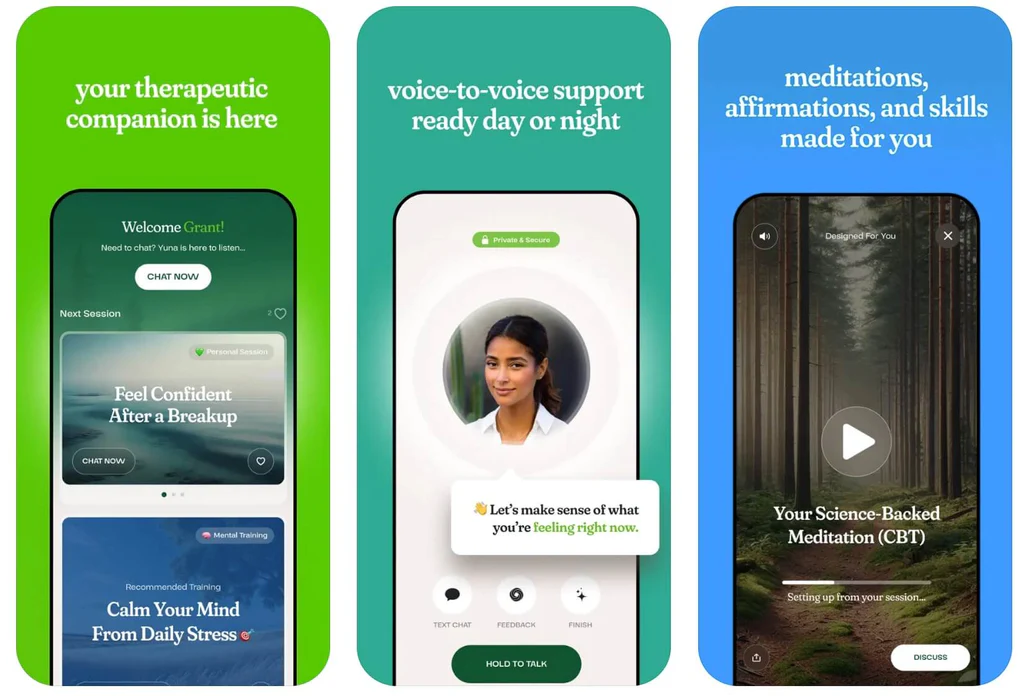
Artificial Intelligence is increasingly being used to support mental health and emotional well-being . While AI can’t replace licensed therapists, it can act as a 24/7 emotional companion , offering guided conversations, stress relief techniques, mood tracking, and even cognitive behavioral therapy (CBT)-inspired exercises.
1. Choose the Right AI Therapy App
Several AI-powered apps are designed to help with emotional support, anxiety management, and daily reflection. Here are some top options:
🧠 Woebot
- Offers CBT-based conversations
- Tracks moods and offers personalized insights
- Great for users looking for structured emotional check-ins
💬 Wysa
- Combines AI with human coaching
- Provides tools for managing stress, sleep, and anxiety
- Includes breathing exercises and guided journals
👥 Replika
- Acts as an AI friend or emotional companion
- Learns your personality and communication style
- Ideal for people seeking non-judgmental conversation
Pro Tip: These apps work best when used regularly — set reminders to check in with yourself and your AI companion.
2. Use AI for Daily Reflection & Journaling
Many AI therapy apps include built-in journaling features that guide you through writing about your day, emotions, and goals.
Features to Try:
- Prompted journal entries like “How are you feeling today?”
- Mood charts that track progress over time
- Thought records to challenge negative thinking patterns
Bonus: You can also use general AI tools like ChatGPT or Google Gemini to write personal reflections or ask questions like:
- “What should I be grateful for today?”
- “How can I deal with my anxiety before this meeting?”
3. Practice Mindfulness and Stress Relief with AI
Some AI tools go beyond conversation and help you manage stress through guided practices.
Examples:
- Calm AI (via Calm app) – Guided meditations and sleep stories
- Youper AI – Emotion-tracking assistant with mini-therapies
- AI Breathing Exercises – Built into many wellness apps to reduce panic and anxiety
Tip: Use voice-based AI assistants like Siri, Alexa, or Google Assistant to trigger meditation sessions or play calming music on command.
Final Thoughts
Using AI as a therapist isn’t a substitute for professional mental health care — but it can be a powerful supplement . Whether you’re dealing with daily stress, loneliness, or just want to improve your emotional awareness, AI therapy tools offer accessible, affordable, and always-available support.
If you’re feeling overwhelmed or struggling with serious mental health concerns, always reach out to a licensed therapist or counselor.
Frequently Asked Questions (FAQs)
Q: Can AI really act as a therapist?
A: AI can simulate therapeutic conversations and provide coping strategies, but it cannot diagnose or replace real therapy from a licensed professional.
Q: Are AI therapy apps safe to use?
A: Yes — most apps prioritize privacy and data protection. However, avoid sharing highly sensitive information unless you’re certain about the app’s security policies.
Q: Do I need technical skills to use AI therapy apps?
A: No — these apps are designed for everyday users and only require basic reading and typing skills.