

What Is Prompt Engineering?
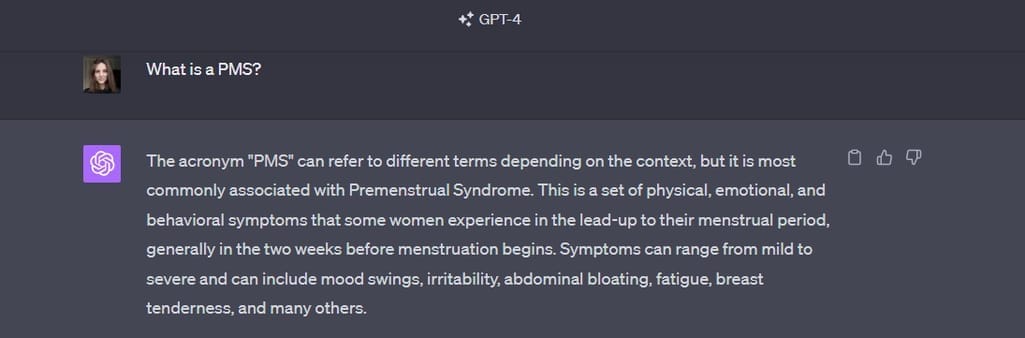
Prompt engineering is the art and science of designing and refining inputs (prompts) to guide artificial intelligence systems—especially large language models (LLMs)—to produce the most accurate, relevant, and useful outputs.
Whether you’re using ChatGPT , Google Gemini , Claude , or any other AI model, the quality of your results often depends on how well you communicate your request through a prompt.
Think of prompt engineering as the bridge between human intent and machine understanding.
Why Prompt Engineering Matters
AI models are powerful, but they’re not mind readers. They rely on clear, structured, and context-rich instructions to generate high-quality output.
Here’s why prompt engineering is essential:
🔍 Improves Accuracy
Well-crafted prompts help AI understand exactly what you need, reducing irrelevant or off-topic responses.
⚡ Increases Efficiency
Good prompts save time by reducing the number of iterations needed to get the desired result.
🧠 Enhances Creativity
With the right framing, AI can generate creative content, from marketing copy to code solutions.
💼 Drives Business Value
From customer service chatbots to data analysis and content creation, prompt engineering unlocks AI’s potential across industries.
Core Principles of Effective Prompt Engineering
Here are the foundational elements of strong prompts:
1. Clarity
Avoid vague or ambiguous language. Be specific about what you want.
❌ “Tell me something about AI.”
✅ “Explain the impact of AI on modern healthcare in 2025.”
2. Context
Provide background information so the AI understands the scope and tone.
Example:
“You are a financial advisor explaining cryptocurrency to a beginner.”
3. Role Definition
Assign a role to the AI to shape its response style and depth.
Example:
“Act as a tech journalist writing a review of the iPhone 16 for a general audience.”
4. Structure
Use formatting, lists, or step-by-step instructions to make your request easy to follow.
Example:
“List 5 benefits of renewable energy in bullet points.”
5. Constraints & Boundaries
Set limits to avoid unwanted responses.
Example:
“Summarize this article in under 100 words without using technical jargon.”
Advanced Prompt Engineering Techniques
Once you’ve mastered the basics, try these advanced strategies to get even better results:
🔄 Iterative Prompting
Refine your prompt based on the AI’s initial response. Ask follow-up questions or clarify your request.
🧩 Chain-of-Thought Prompting
Encourage the AI to “think step by step” before giving an answer.
Example:
“Solve this math problem step by step: 3x + 4 = 19”
📋 Few-Shot Learning
Give the AI examples of the type of output you expect.
Example:
Input: “Write a product description for a smartwatch.”
Output Example: “The FitTrack Pro Smartwatch offers 24/7 heart rate monitoring…”
🧪 Zero-Shot Prompting
Ask for a task without providing examples—requires a clear, structured prompt.
🧠 Role-Based Prompting
Define the persona or expertise level of the AI.
Example:
“You are a certified nutritionist advising a client on healthy meal planning.”
Real-World Applications of Prompt Engineering
Prompt engineering isn’t just for developers—it has practical uses across many fields:
| Marketing | Generate ad copy, email campaigns, social media posts |
| Education | Create lesson plans, quizzes, explanations |
| Healthcare | Summarize research papers, explain medical terms |
| Programming | Write, debug, or optimize code |
| Customer Service | Build conversational chatbots |
| Legal | Draft contracts, summarize legal documents |
Tools to Help You Improve Your Prompt Engineering Skills
Want to become a prompt engineering pro? Try these tools and resources:
- PromptBase – Buy and sell AI prompts
- DAIR.AI Prompt Engineering Guide – Free educational resource
- LangChain – Framework for developing apps powered by LLMs
- OpenAI Playground / ChatGPT – Test and refine your prompts live
- Prompt Engineering Academy – Online courses and certifications
Frequently Asked Questions (FAQs)
Q1: What is the goal of prompt engineering?
The goal is to maximize the effectiveness of AI models by crafting precise, context-aware prompts that yield high-quality outputs.
Q2: Do I need coding skills to be a prompt engineer?
Not necessarily. While some roles may require technical knowledge, many prompt engineering tasks involve natural language and strategic thinking.
Q3: Can prompt engineering improve AI-generated content?
Absolutely! Well-designed prompts significantly enhance clarity, relevance, and creativity in AI-generated text, images, and code.
Final Thoughts: Prompt Engineering Is the Future of AI Interaction
As AI becomes more integrated into our daily lives and businesses, prompt engineering will only grow in importance .